
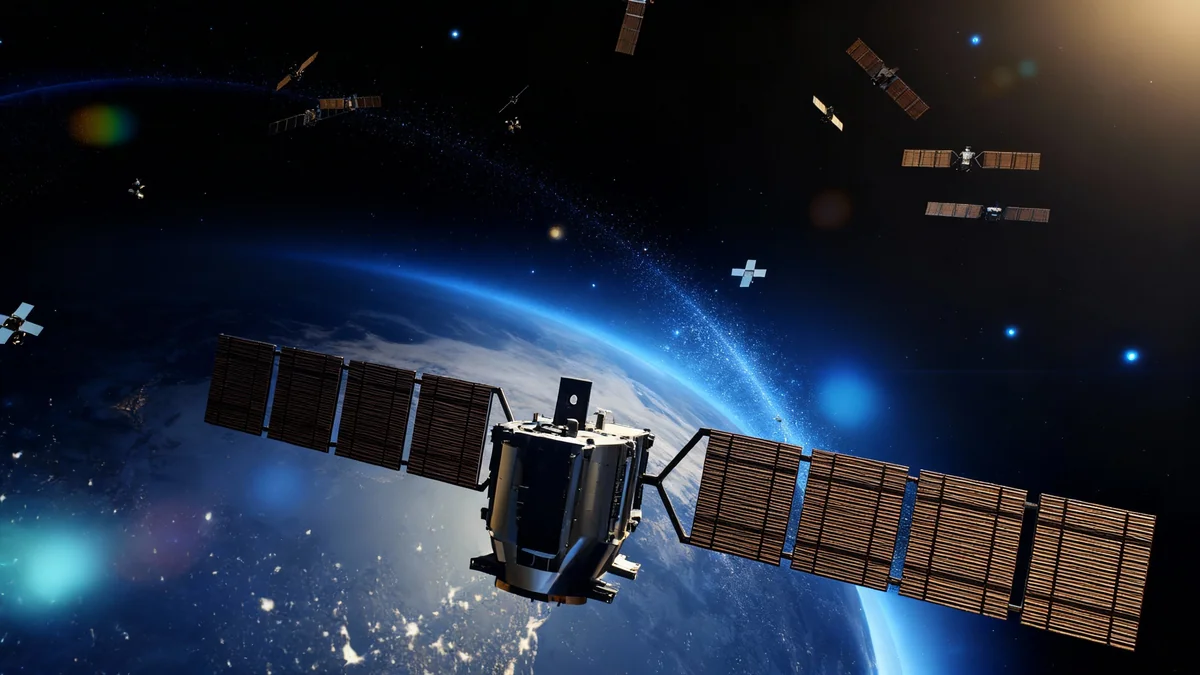

Earth's orbit is becoming increasingly congested, reaching a point where a major solar storm or system failure could trigger a cascade of satellite collisions within days. Experts warn that if all satellites were to lose their ability to maneuver, a collision would occur in less than three days, highlighting the urgent need for better space traffic management.
Key Takeaways
- Satellite numbers have more than tripled in seven years, now exceeding 14,000.
- A loss of maneuverability could lead to a collision cascade in 2.8 days.
- Starlink constellation is a major contributor to orbital crowding with over 9,000 satellites.
- Collision avoidance maneuvers are crucial but require active control.
- Orbital debris from collisions could render parts of space unusable.
The Accelerating Pace of Orbital Congestion
The number of active satellites orbiting Earth has surged dramatically in recent years. Just seven years ago, approximately 4,000 satellites were in orbit. Today, that figure has soared to nearly 14,000. This rapid increase means our planet's immediate cosmic neighborhood is busier than ever before.
A significant portion of this growth comes from large constellations designed to provide global internet access. These projects, while offering widespread benefits, are also intensifying the challenges of space safety.
Fact Check: Satellite Growth
- Past 7 Years: Satellite count tripled from 4,000 to nearly 14,000.
- Current Total: Over 14,000 satellites in orbit.
Starlink's Dominance in Low Earth Orbit
One of the primary drivers behind this orbital expansion is SpaceX's Starlink constellation. This network alone accounts for more than 9,000 satellites operating in low Earth orbit (LEO). These satellites are positioned at altitudes ranging from 340 to 550 kilometers above Earth's surface.
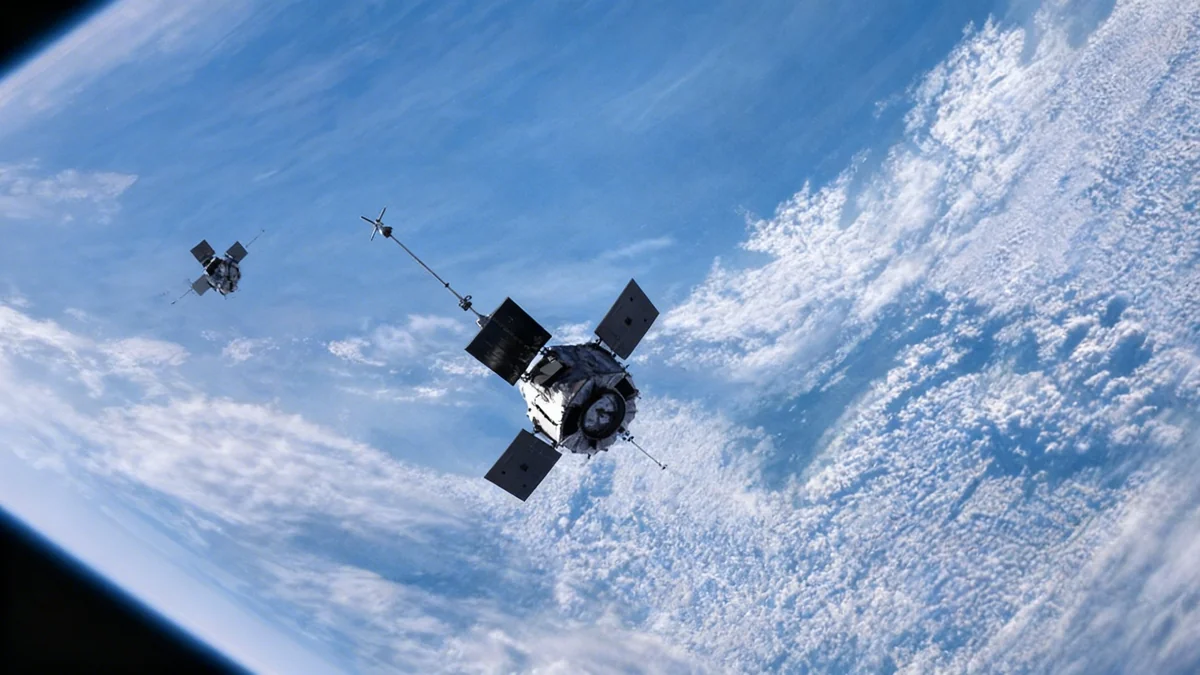
The sheer volume of Starlink satellites, alongside other growing constellations, necessitates constant vigilance. Each satellite must regularly perform collision avoidance maneuvers to prevent disastrous impacts with other spacecraft or space debris.
"The rapid increase in satellites means they must constantly dodge out of the way of each other to prevent crashes," explains one aerospace expert. "This is a continuous, complex dance in space."
The Threat of a Collision Cascade
The concern is not just about individual collisions, but a chain reaction. If all satellites were to suddenly lose their ability to maneuver – perhaps due to a severe solar storm or a widespread system malfunction – the consequences could be catastrophic. Simulations indicate that a collision would occur in a mere 2.8 days under such circumstances.
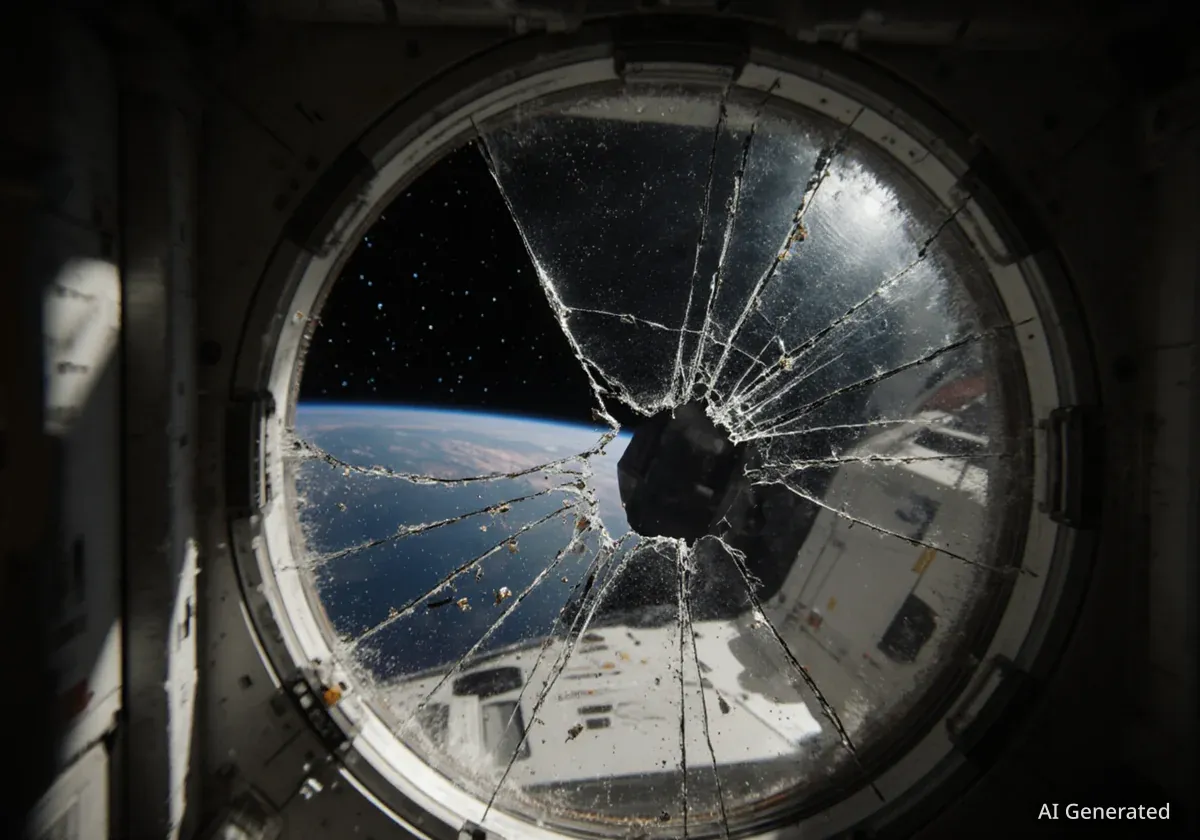
Such an event would create thousands of new pieces of orbital debris. This debris would then pose an even greater threat to operational satellites, potentially triggering more collisions and rendering parts of Earth's orbit unusable for future missions.
Understanding Collision Avoidance Maneuvers
Currently, satellite operators actively track potential collision risks. When a close approach is predicted, satellites perform small burns to adjust their trajectory. These maneuvers are vital for maintaining the safety and functionality of all orbiting assets.
However, these maneuvers rely on active control systems, ground communication, and on-board fuel. Any disruption to these elements could compromise a satellite's ability to avoid an impact.
What is Low Earth Orbit (LEO)?
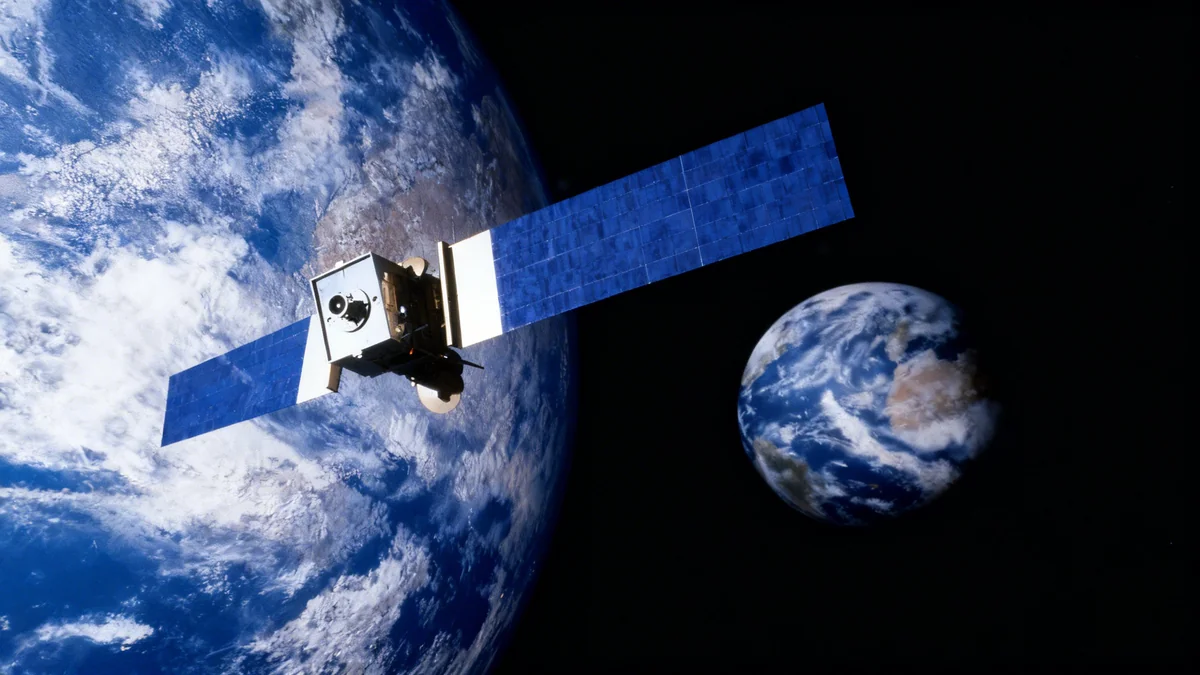
Low Earth Orbit (LEO) is an orbit around Earth with an altitude between 160 kilometers (99 miles) and 2,000 kilometers (1,200 miles). This region is popular for many satellites due to its proximity to Earth, which allows for lower latency in communication and higher resolution imaging. However, it also means a smaller volume of space for a growing number of objects.
The Broader Implications of Orbital Debris
A significant collision event would generate a vast amount of space junk. These fragments, traveling at incredibly high speeds, could damage or destroy other operational satellites, including those essential for navigation, weather forecasting, and global communication.
The long-term impact of such debris fields could be severe. It might make certain orbital paths too dangerous to use for decades, stifling future space exploration and commercial ventures. This scenario underscores the importance of sustainable space practices and robust international cooperation.
- Navigation Systems: GPS and other positioning services rely heavily on satellites.
- Communication Networks: Global internet, television, and phone services could be disrupted.
- Weather Forecasting: Critical weather data comes from Earth-observing satellites.
- Scientific Research: Many scientific missions depend on stable orbital environments.
Moving Towards Sustainable Space Management
The increasing density of objects in Earth's orbit demands a re-evaluation of current practices. Developing more sophisticated space traffic management systems, improving debris tracking capabilities, and implementing stricter guidelines for satellite deployment and deorbiting are critical steps.
International collaboration is also essential. Space is a shared resource, and the responsibility for its safety falls to all nations and private entities operating in orbit. Without coordinated efforts, the risk of a major orbital disaster will continue to grow.
The current situation serves as a stark reminder of the delicate balance required to maintain a functional and safe space environment. As humanity continues to expand its presence beyond Earth, managing orbital congestion will remain a paramount challenge.