


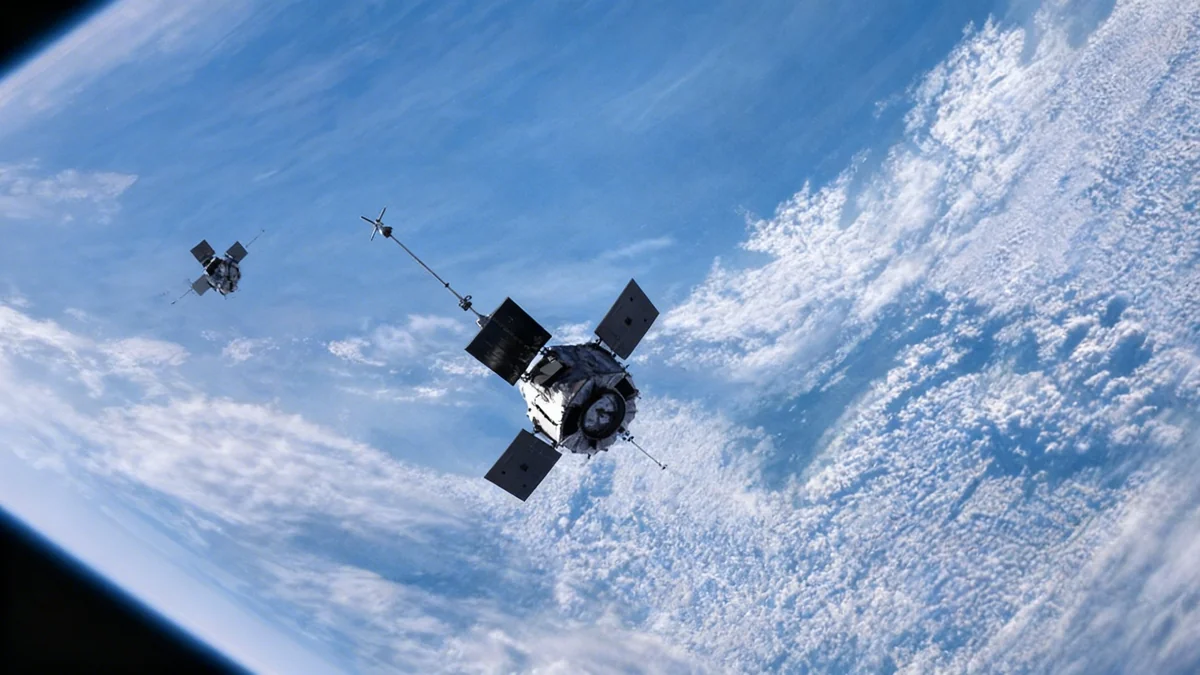
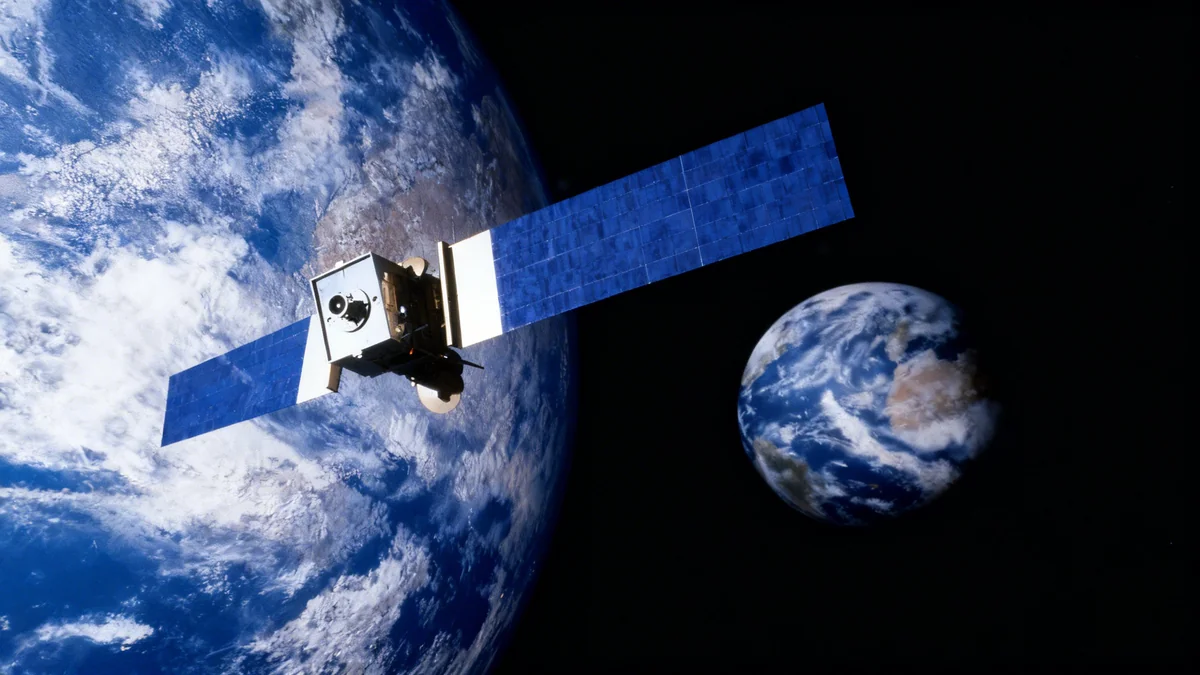
China's space agency has confirmed it will conduct an uncrewed return of the damaged Shenzhou 20 spacecraft, which was left docked at the Tiangong space station after a suspected micro-debris strike rendered it unsafe for its crew. The capsule will be brought back to Earth for detailed analysis to better understand the risks posed by orbital debris.
The incident initially delayed the return of three astronauts in early November, prompting a complex series of maneuvers that included launching a replacement spacecraft to serve as a lifeboat for the crew currently aboard the station.
Key Takeaways
- The Shenzhou 20 spacecraft will return to Earth without a crew after being damaged in orbit.
- The damage was caused by a high-speed impact from a piece of space debris smaller than one millimeter.
- The original three-person crew returned safely aboard a different spacecraft on November 14.
- The damaged capsule is being retrieved to study the effects of debris impacts for future mission safety.
An Abrupt Change of Plans in Orbit
The three astronauts of the Shenzhou 20 mission were scheduled to conclude their tour on the Tiangong space station and return to Earth on November 5. However, that plan was suddenly halted when ground control identified significant damage to their return vehicle.
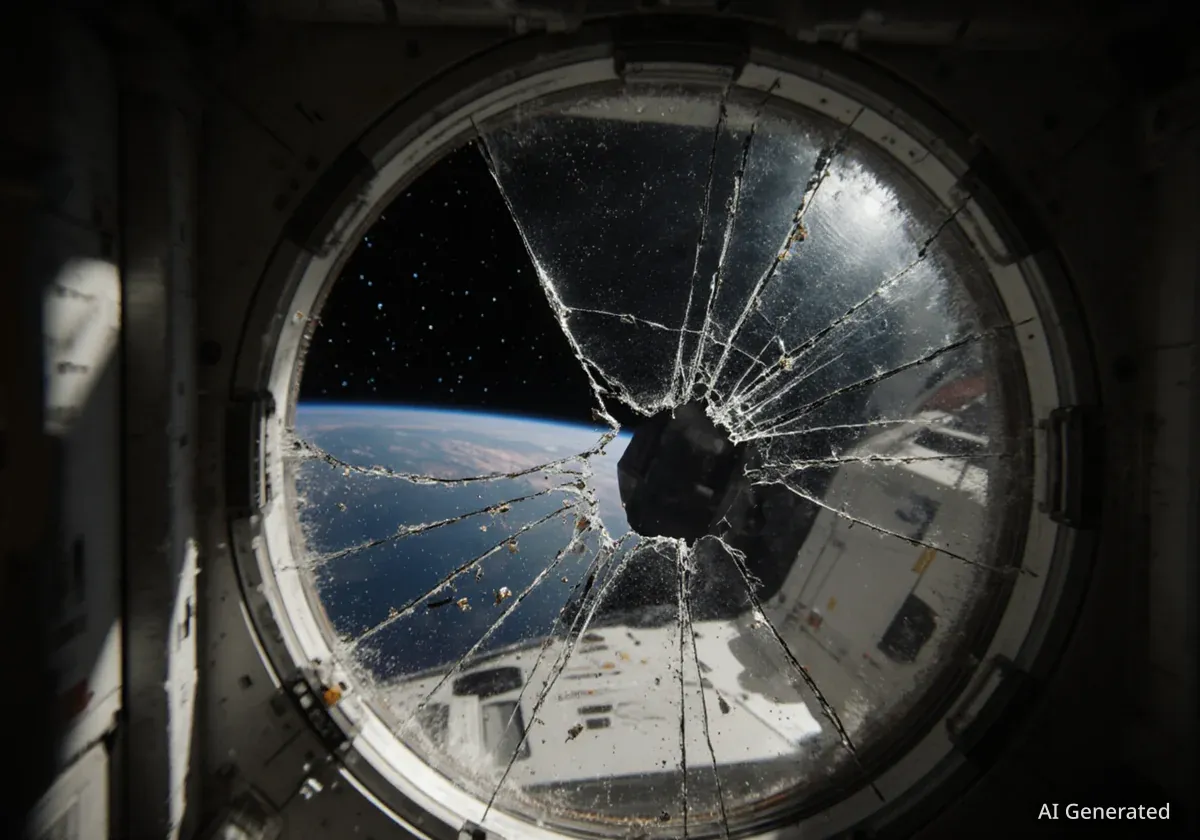
According to officials from the China Manned Spaceflight Agency (CMSA), a piece of orbital debris, estimated to be less than a millimeter in size, struck the spacecraft at an extremely high speed. The impact created what were described as "penetrating cracks" in the spacecraft's viewport, a critical component for maintaining cabin integrity during the intense heat and pressure of atmospheric reentry.
Faced with the potential for a catastrophic failure, the agency made the decision to keep the astronauts aboard the station, effectively stranding them without a reliable ride home until a solution could be implemented.
A Complex Crew and Capsule Swap
The situation aboard Tiangong required a swift and carefully coordinated response. The Shenzhou 20 crew—Chen Dong, Chen Zhongrui, and Wang Jie—remained on the station while their relief crew, the Shenzhou 21 mission, was already in orbit.
In a resourceful maneuver, the stranded astronauts used the Shenzhou 21 crew's spacecraft for their own return. They landed safely in Inner Mongolia on November 14, nine days later than originally planned. This, however, left the new three-person crew on Tiangong temporarily without a dedicated lifeboat in case of an emergency.
What is the Tiangong Space Station?
Tiangong, meaning "Heavenly Palace," is China's permanently crewed space station, operating in low Earth orbit. It serves as a national laboratory for scientific and technological research. Shenzhou missions are responsible for transporting crews to and from the station, typically for six-month rotations.
To resolve this vulnerability, China launched an uncrewed replacement spacecraft on November 22. This new vehicle successfully docked with the station, restoring the essential emergency return capability for the Shenzhou 21 crew, who will now continue their planned six-month mission.
Bringing the Evidence Home for Analysis
With the crew safely back on Earth and a new lifeboat in place, the CMSA turned its attention to the damaged Shenzhou 20 capsule. On December 1, the agency announced its plan to bring the empty spacecraft home. A specific date for the uncrewed reentry has not yet been set.
The primary motivation for this complex retrieval is scientific. Officials stated the mission aims to "generate meaningful real-world experimental data for subsequent missions." By studying the cracked viewport and other potential damage up close, engineers hope to gain invaluable insights into how spacecraft materials withstand high-velocity impacts in space.
The Danger of Tiny Debris
In low Earth orbit, objects travel at speeds exceeding 17,000 miles per hour (27,000 km/h). At this velocity, even a particle as small as a grain of sand can inflict significant damage, posing a serious threat to satellites, space stations, and crewed missions.
The primary concern with a crewed reentry was that the extreme conditions could cause the cracks to spread rapidly. This could have led to the outer pane of the viewport detaching, resulting in a total structural failure of the capsule. The uncrewed return eliminates this risk to human life while preserving the capsule as a crucial piece of evidence.
A Growing Threat in Earth's Orbit
This incident serves as a stark reminder of the growing danger posed by space debris. Decades of launches have left hundreds of thousands of pieces of human-made junk circling the planet, from defunct satellites to tiny fragments from past collisions.
"This is a wake-up call. These incidents highlight the urgent need for dedicated space rescue services and increased international cooperation to avoid future disasters during these types of emergencies," stated one spaceflight expert analyzing the situation.
While the Chinese mission was resolved successfully, it echoes other recent close calls in space. Last year, astronauts on a Boeing Starliner test flight were temporarily left on the International Space Station without their dedicated ride home, though a backup plan existed for them to return on a SpaceX craft.
As more nations and private companies venture into orbit, the risk of similar events will only increase. The retrieval and analysis of the Shenzhou 20 capsule will provide critical data not just for China, but for the entire global spacefaring community working to ensure the safety of future missions in an increasingly crowded orbital environment.