NASA Explores Solar Wind with Student-Built Satellite
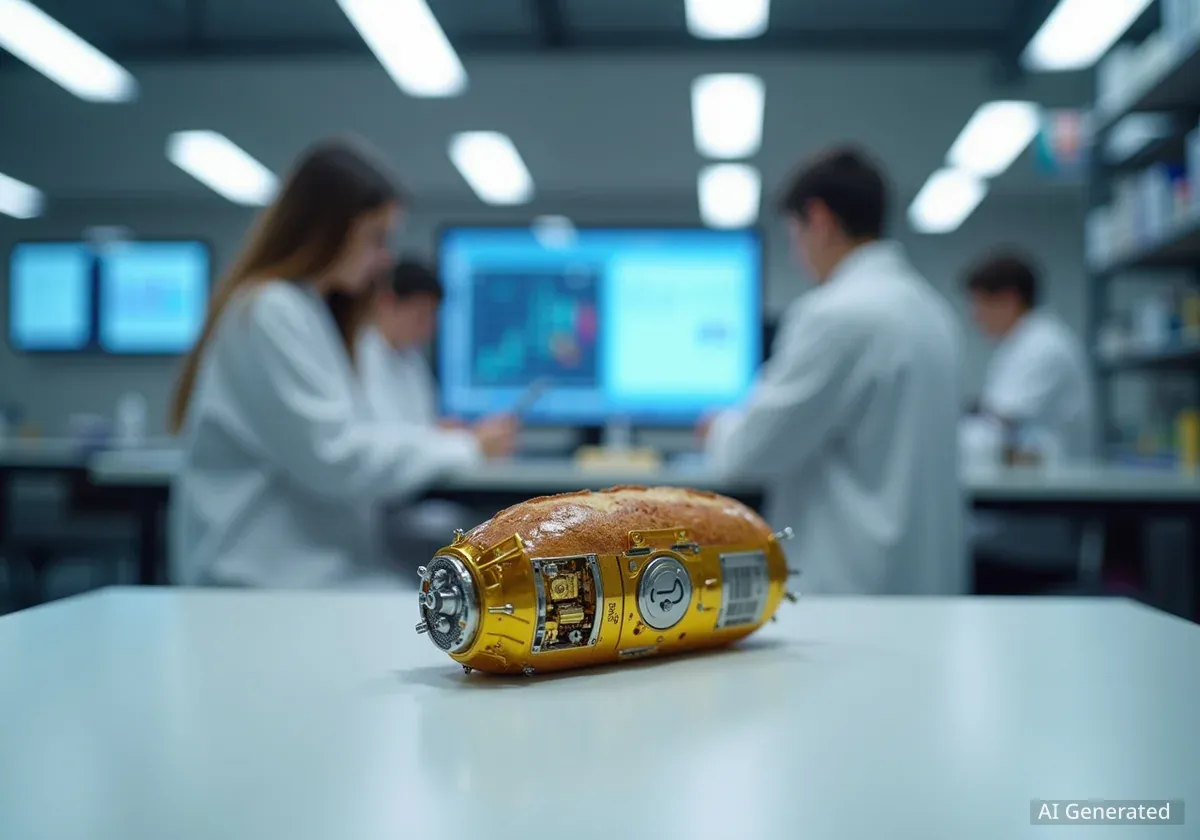
A student-built satellite, the size of a loaf of bread, is set to launch for NASA to study solar wind, highlighting student innovation in space research.
9 articles tagged

A student-built satellite, the size of a loaf of bread, is set to launch for NASA to study solar wind, highlighting student innovation in space research.

A new high-resolution simulation reveals that current space weather models are too simple, potentially allowing dangerous solar storms to go undetected.

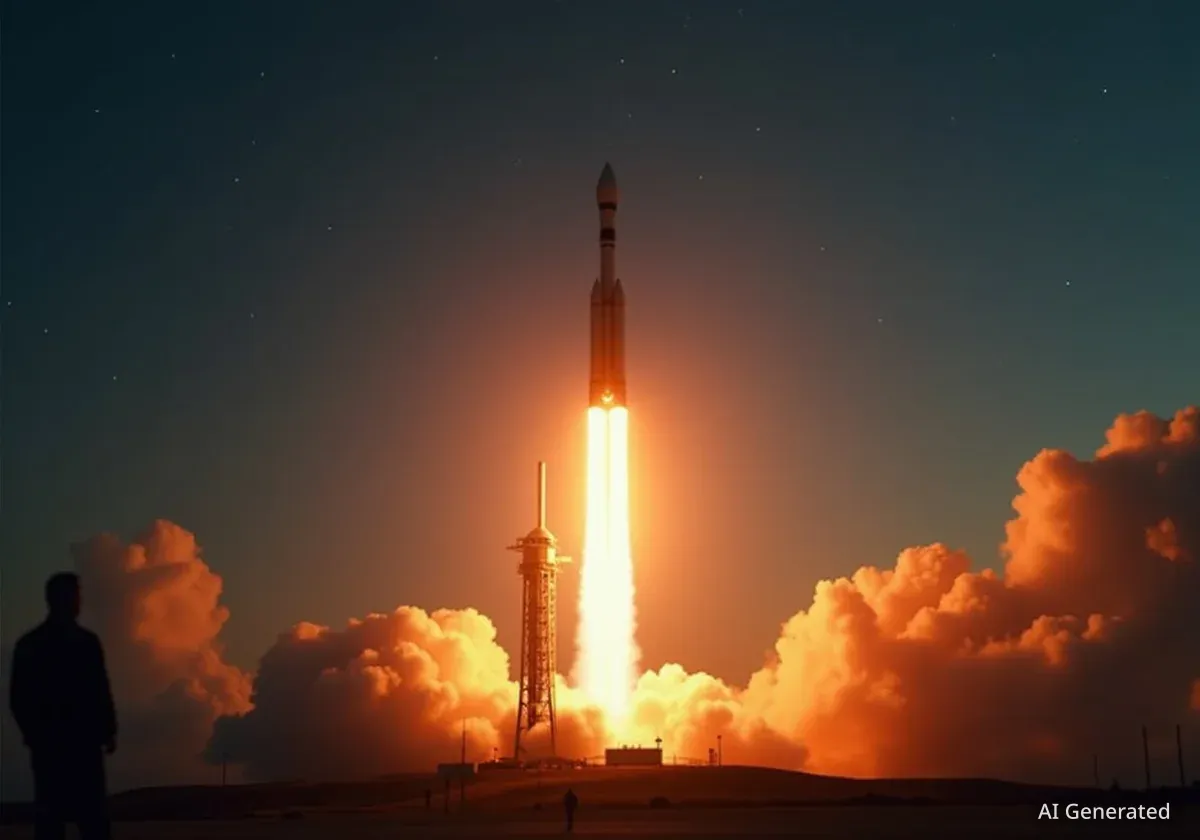
Princeton University's IMAP mission successfully launched on a SpaceX rocket to study the sun's heliosphere and solar wind from one million miles away.

A NASA-sponsored team at the University of Iowa has revived a critical technology for building sensors used to monitor space weather, protecting vital infrastructure.

NASA and NOAA have successfully launched three spacecraft on a single rocket to study space weather from a vantage point one million miles from Earth.

NASA and NOAA have launched a trio of satellites to study the Sun's influence, from the edge of the solar system to its impact on Earth's infrastructure.

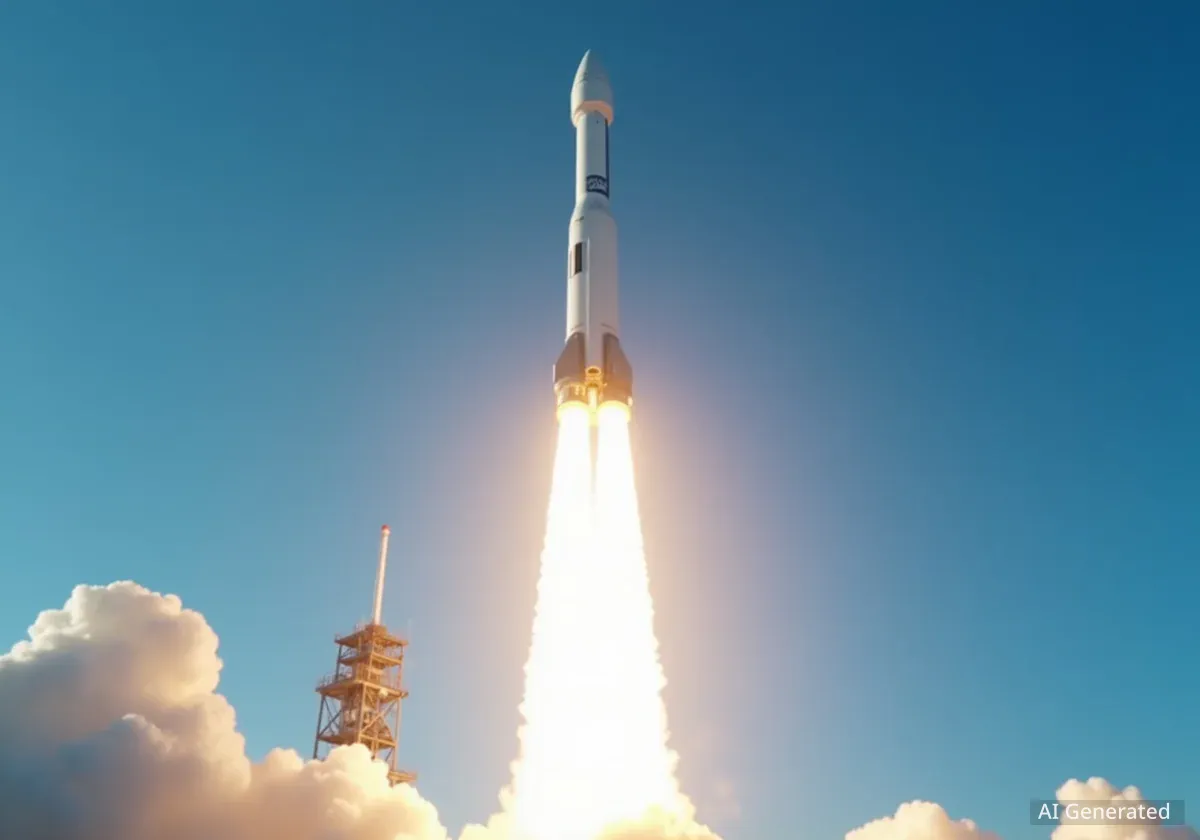
NASA has launched the Interstellar Mapping and Acceleration Probe (IMAP) to study the sun's protective heliosphere and improve space weather forecasting.

NASA launched the Interstellar Mapping and Acceleration Probe (IMAP) to study the heliosphere and improve space weather predictions. The mission aims to analyze solar wind and interstellar particles.

NASA has officially cleared its Interstellar Mapping and Acceleration Probe (IMAP) mission for launch, scheduled for September 23 from Kennedy Space Center.