

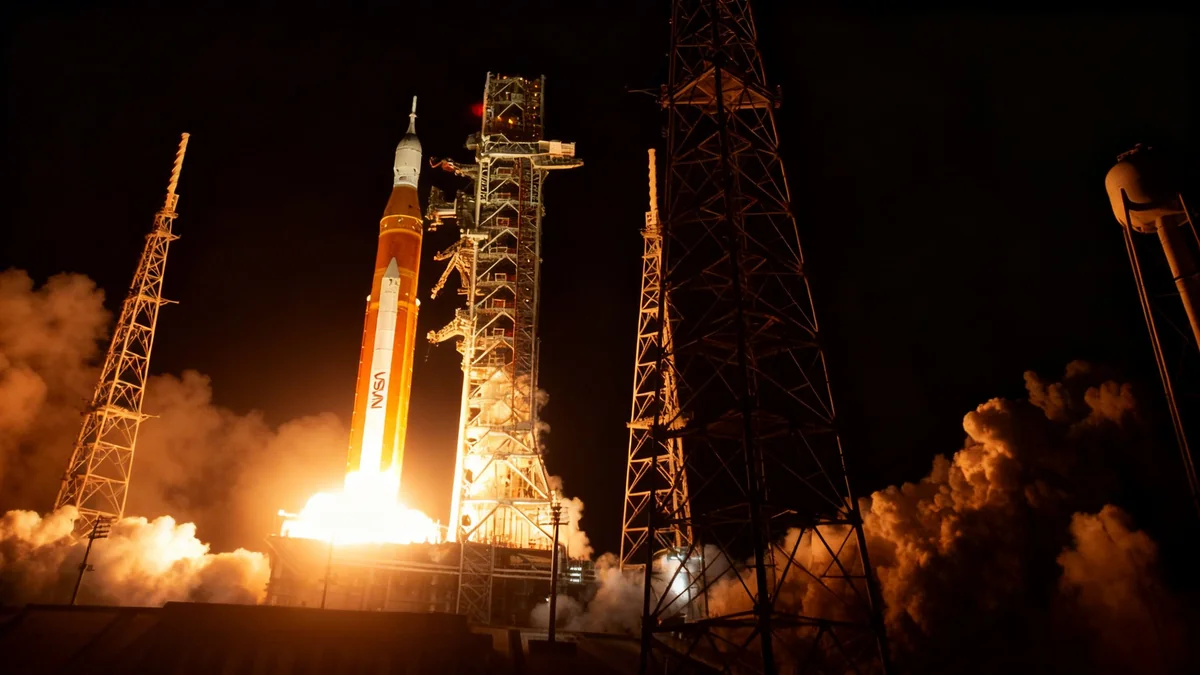
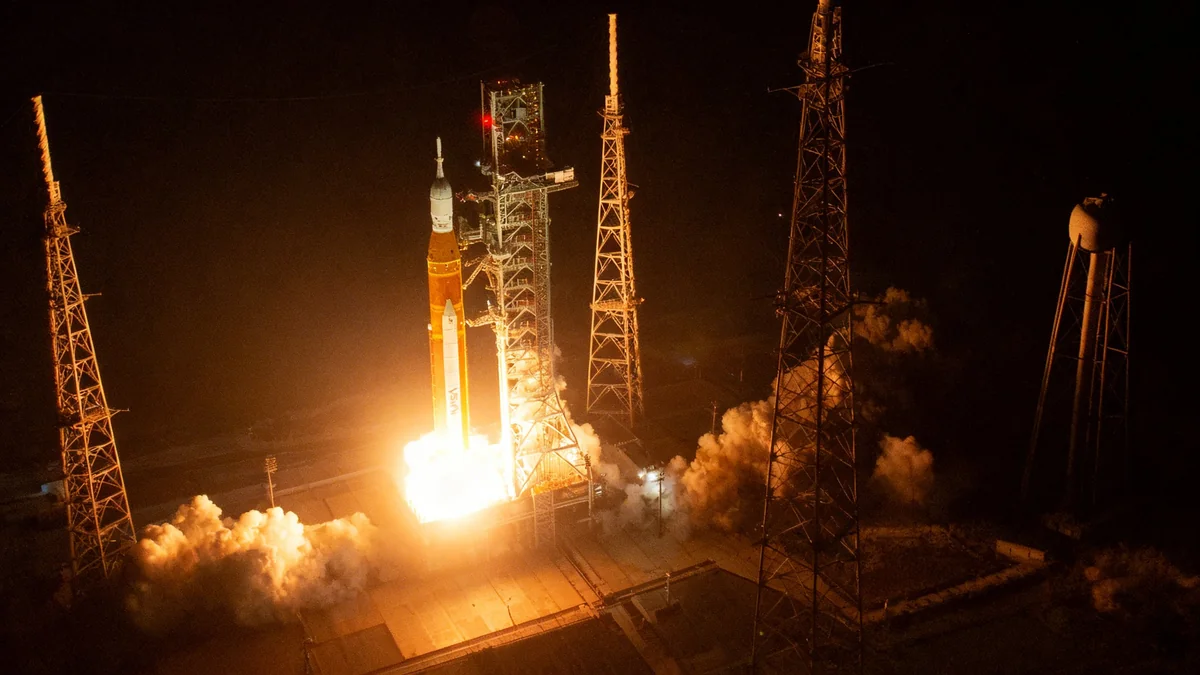

SpaceX has outlined an ambitious plan to significantly increase its launch frequency from Florida's Space Coast, targeting over 100 Falcon 9 missions this year. The company aims to establish what it calls "airport-like operations," a model designed to streamline launches and minimize disruptions to air and sea traffic.
The strategy includes major infrastructure investments and the integration of its next-generation Starship vehicle at Kennedy Space Center and Cape Canaveral Space Force Station. According to a company blog post, this high-cadence approach is supported by data sharing initiatives with NASA and the Federal Aviation Administration (FAA).
Key Takeaways
- SpaceX is targeting more than 100 Falcon 9 launches from Florida in the current year.
- The company is developing "airport-like operations" to increase launch frequency and efficiency.
- Plans include integrating Starship launches by proposing safety "clear areas" based on extensive data analysis.
- Major investments are underway for on-site propellant production and upgrading shared infrastructure.
- SpaceX aims to reduce airspace closures and minimize disruptions for other launch providers and commercial aviation.
Achieving a New Launch Cadence
SpaceX has already established a rapid launch pace, with Falcon 9 rockets currently lifting off from Florida's Space Coast every two days on average. The company stated that this frequency, once considered unachievable without disrupting other range users, is the foundation for its new goal of over 100 launches annually from the region.
The concept of "airport-like operations" involves transforming the launch process into a more routine and predictable event. This requires close coordination with government agencies to optimize scheduling and reduce the time that airspace and maritime zones are closed for safety. By refining these procedures, SpaceX intends to demonstrate that a high volume of launches can coexist with other activities in the region.
Background: The Evolving Space Coast
Florida's Space Coast has long been the hub of American spaceflight. Historically dominated by government missions, the region has transformed into a busy commercial spaceport. The rise of companies like SpaceX has dramatically increased the number of launches, putting pressure on existing infrastructure and regulatory processes to keep pace.
Integrating Starship into Florida Operations
A critical component of SpaceX's future plans is bringing its massive Starship vehicle to Florida. To prepare for this, the company has conducted extensive analysis of potential risks, particularly concerning vehicle explosions during launch or testing. This research has informed the proposal of specific "clear areas" around launch sites at both Kennedy Space Center and Cape Canaveral.
These safety zones are designed using years of data from testing liquid oxygen (LOX) and methane-fueled rockets. SpaceX asserts that by making this proprietary data available to government partners, it can safely conduct Starship operations without causing significant disruptions to other launch providers operating nearby.
"By making data gathered from years of testing available to the government, it’s confident Starship operations could be done without disruption to other launch operators at KSC or the Cape," the company explained in its announcement.
Investing in Self-Sufficient Infrastructure
To support the increased launch rate and the large propellant demands of Starship, SpaceX is making substantial investments in new infrastructure. A key initiative is the construction of on-site facilities for propellant production, including air separation units and methane liquefaction plants.
This vertical integration is intended to create a self-sufficient supply chain, ensuring that Starship launches do not strain the availability of critical resources like liquid oxygen for other companies. This move is crucial for maintaining a multi-user spaceport where different operators can function without resource conflicts.
Current Launch Rate
SpaceX is currently launching Falcon 9 rockets from Florida at an average rate of one every two days, a cadence that has steadily increased over the past several years.
Collaborative Infrastructure Upgrades
Beyond its own facilities, SpaceX is actively collaborating with public and private partners to enhance the core infrastructure of the Space Coast. The company is working on projects with several key entities:
- NASA and the U.S. Space Force: Partnering on range safety and operational protocols.
- Space Florida: Collaborating on developing spaceport infrastructure.
- Florida Department of Transportation: Working to improve roadways and access to launch facilities.
These partnerships aim to upgrade essential services such as power generation and transmission, wastewater treatment, and transportation networks to support the growing demands of the entire space industry in the area.
Minimizing Airspace Disruptions
A major challenge with frequent launches is the impact on the National Airspace System (NAS). SpaceX highlighted its progress in minimizing these disruptions, citing the tenth flight of Starship from its Starbase facility in Texas as a case study. During that mission, the FAA reopened all affected airspace within 10 minutes of the launch, with some sections cleared in as little as seven minutes.
According to SpaceX, this rapid reopening was achieved through effective coordination and demonstrates that even large-scale launches can be efficiently integrated into the NAS. The company is confident this same collaborative approach can be successfully applied to both Falcon 9 and Starship launches from Florida, preventing significant impacts on commercial air travel.