
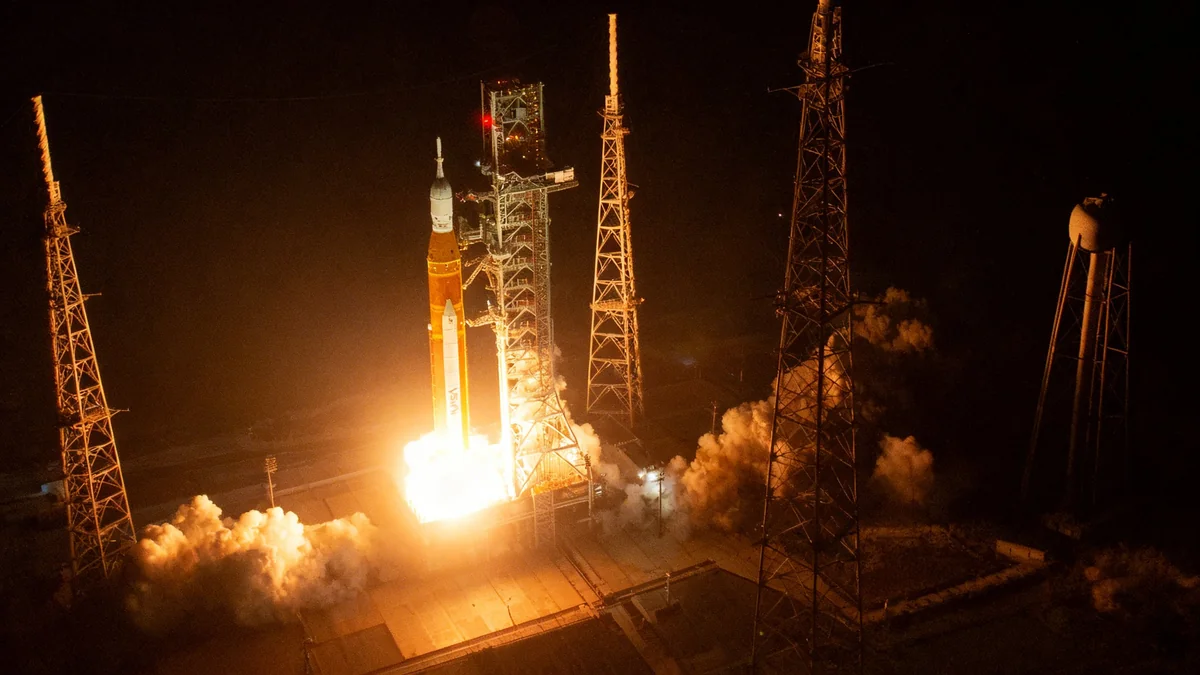
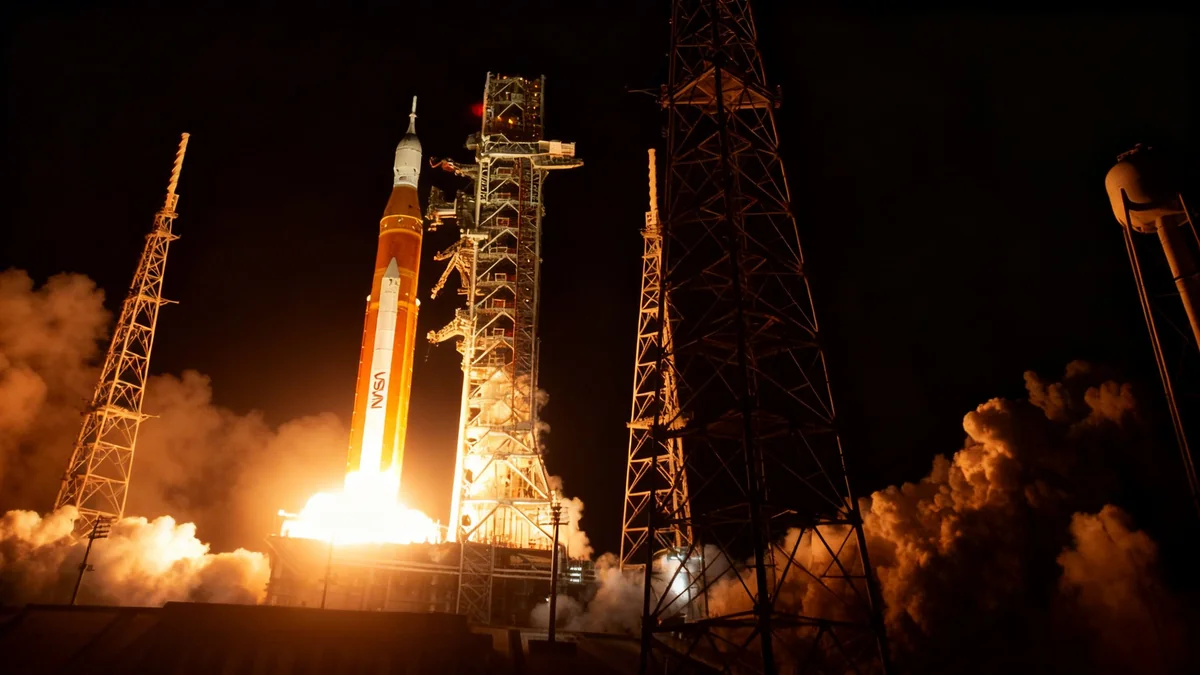
SpaceX is scheduled to launch a four-person international crew to the International Space Station (ISS) early Friday morning from Florida. The mission, known as Crew-12, will lift off aboard a Falcon 9 rocket, marking another significant flight in the partnership between NASA and the commercial space company.
The launch is set for 5:15 a.m. EST from Cape Canaveral Space Force Station. This mission is critical for restoring the orbiting laboratory to its full operational capacity after a recent crew reduction.
Key Takeaways
- The Crew-12 mission is set to launch on Friday, February 13, at 5:15 a.m. EST.
- It features an international crew of four from NASA, the European Space Agency (ESA), and Roscosmos.
- The mission will last approximately nine months, which is longer than a standard ISS rotation.
- Crew-12 will restore the ISS crew size to its normal complement of seven astronauts.
Mission Details and Timeline
The Crew-12 mission will utilize a SpaceX Falcon 9 rocket and a Crew Dragon capsule named "Freedom." The launch window opens in the pre-dawn hours, a common time for missions targeting a specific orbital trajectory to rendezvous with the fast-moving space station.
If the launch proceeds as planned, the Crew Dragon capsule will begin its journey to the ISS. The spacecraft is expected to perform a series of automated maneuvers over the course of its flight. Docking with the station is anticipated to occur on Saturday, February 14, at approximately 3:15 p.m. EST.
This automated docking process is a standard procedure for Crew Dragon missions, showcasing the reliability of the technology developed for NASA's Commercial Crew Program. The entire sequence, from launch to docking, will be closely monitored by teams at SpaceX Mission Control and NASA.
An International Crew
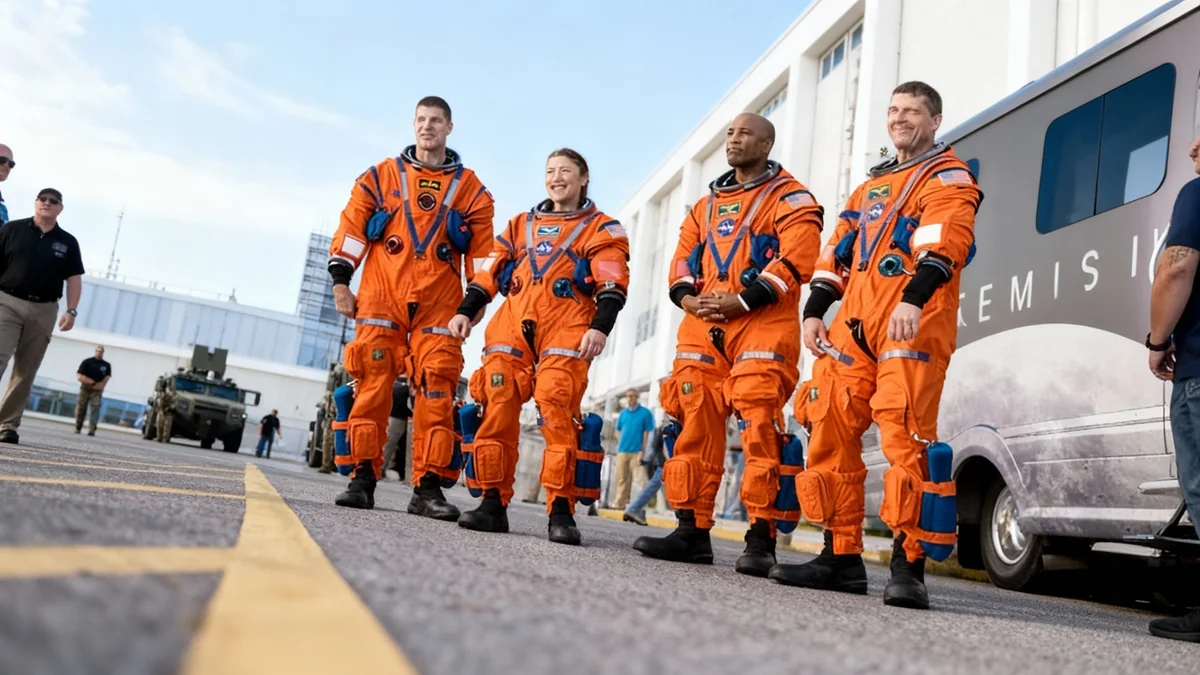
The four astronauts making the journey represent a collaboration between three major space agencies, highlighting the international nature of the ISS program. The crew composition is a mix of veteran spaceflyers and newcomers.
The crew includes:
- Jessica Meir (NASA): Serving as mission commander, this will be Meir's second journey into space. Her experience is vital for leading the crew through the complexities of the mission.
- Jack Hathaway (NASA): The mission's pilot, Hathaway is a spaceflight rookie. His role will be crucial during the dynamic phases of launch and docking.
- Sophie Adenot (ESA): As a mission specialist from the European Space Agency, Adenot is also making her first trip to space.
- Andrey Fedyaev (Roscosmos): A Russian cosmonaut serving as a mission specialist, this will be Fedyaev's second spaceflight.
A Longer Stay in Orbit
The Crew-12 astronauts are preparing for a mission lasting about nine months. This is a notable extension compared to the typical six-month rotations for ISS crews. Longer duration missions provide valuable data on the effects of long-term spaceflight on the human body, which is essential for planning future missions to the Moon and Mars.
The inclusion of two rookie astronauts, Hathaway and Adenot, underscores the ongoing effort to expand the pool of experienced spaceflyers for future exploration endeavors. Their training has prepared them for the rigorous demands of living and working in microgravity.
Restoring the Station's Crew
The arrival of Crew-12 is particularly important for the operational tempo of the International Space Station. For the past several weeks, the station has been operating with a reduced crew of just three individuals: NASA astronaut Chris Williams and cosmonauts Sergey Kud-Sverchkov and Sergei Mikaev.
ISS Crew Complement
The International Space Station is designed to be staffed by a crew of seven. This number allows for a full schedule of scientific research, maintenance, and operational tasks. A smaller crew must prioritize essential station upkeep over scientific experiments.
This skeleton crew has been managing the station since the early departure of the Crew-11 mission in mid-January. That mission returned to Earth about a month ahead of schedule due to an undisclosed medical issue with one of its astronauts. It marked the first time a medical evacuation was conducted from the ISS in its more than two decades of continuous human presence.
With the arrival of Crew-12, the ISS will return to its standard seven-person crew. This will allow for a significant increase in the amount of scientific research conducted aboard the orbiting laboratory, a primary objective of the station.
The Importance of Commercial Crew
The Crew-12 mission is another flight under NASA's Commercial Crew Program, which relies on private companies like SpaceX to transport astronauts to and from the International Space Station. This model was developed to ensure reliable and cost-effective access to low-Earth orbit for the United States and its international partners.
Since its inception, the program has successfully launched numerous crews, ending America's sole reliance on Russian Soyuz rockets for astronaut transportation. The Falcon 9 rocket and Crew Dragon capsule have become a proven system for human spaceflight.
Each mission builds on the last, providing more data and operational experience. The continued success of these flights is fundamental to NASA's long-term goals, which include sustaining operations on the ISS while also preparing for ambitious missions back to the Moon and eventually to Mars.