


The International Space Station (ISS) has served as a crucial testing ground for technologies and research methods that will directly support the upcoming Artemis II mission. This mission marks a significant step in human space exploration, preparing astronauts for journeys around the Moon and eventually to Mars. Decades of work aboard the orbiting laboratory have laid the groundwork for critical life support, safety systems, and scientific objectives essential for deep space travel.
Key Takeaways
- ISS research directly informs Artemis II life support and safety systems.
- Radiation monitoring and carbon dioxide removal systems are critical advancements.
- Organ-chip technology will study deep space health effects using astronaut cells.
- Crew Earth Observations from ISS shaped lunar observation techniques for Artemis II.
- CubeSats, proven on ISS, will deploy from Artemis II for high Earth orbit studies.
ISS Contributions to Artemis II Life Support
Since 2000, the International Space Station has been an unparalleled laboratory. Astronauts have performed extensive research to understand how humans and technology function in the unique space environment. This work is vital for extending human presence beyond low Earth orbit.
One primary focus has been the development of robust life support and safety systems for the Orion spacecraft. Orion will carry four astronauts on the Artemis II mission around the Moon. These systems include advanced radiation sensing equipment, which is crucial for protecting the crew from harmful cosmic rays.
"You have to learn how to walk before you can run. The same is true in human space exploration," a NASA statement emphasized, highlighting the preparatory role of the ISS.
Critical Systems Tested on ISS
- Radiation sensing equipment
- Carbon dioxide removal systems
- Water-based portable fire extinguishers
- Emergency fire masks
- Space toilet technology
- Heat exchangers
- Backup emergency navigation systems
Carbon dioxide removal systems are another key component, ensuring breathable air for long-duration missions. The ISS has also tested water-based portable fire extinguishers and emergency fire masks, addressing critical safety concerns. Even the space toilet and heat exchangers have benefited from extensive testing and refinement in orbit.
Advancing Human Health and Scientific Understanding
Artemis II is not just an engineering feat; it also includes significant scientific objectives. Many of these objectives build directly on research methods established aboard the ISS. One such example is the Spaceflight Standard Measures experiment.
This experiment tracks various psychological and physiological data points from astronauts. For Artemis II, this research will expand to collect astronaut information beyond low Earth orbit. This will deepen understanding of how the human body adapts to living and working in deep space environments.
Deep Space Challenges
Traveling beyond Earth's protective magnetic field exposes astronauts to higher levels of radiation and different gravitational forces. Understanding these effects on human health is paramount for missions to the Moon and Mars.
Organ-Chip Experiments Offer New Insights
Organ-chip experiments represent another area where ISS research is making a difference. These small devices contain human cells and model how tissues and organs respond to space stressors. They also help evaluate potential therapeutic treatments.
Several organ-chip experiments have already been conducted on the space station. For Artemis II, this technology will continue its legacy in the lunar environment. Researchers will study the effects of deep space stressors on human health using cells from the Artemis II astronauts themselves. This research could lead to improved prevention and personalized medical treatments for people both on Earth and in space.
Lunar Observations and Satellite Deployments
Methods refined through Crew Earth Observations aboard the space station are now informing Crew Lunar Observations for Artemis II. Astronauts on the ISS have regularly photographed Earth landmarks, providing valuable experience in target planning and visualization software. These frameworks have been adapted for lunar observations, shaping operational procedures and preparing for future exploration missions.
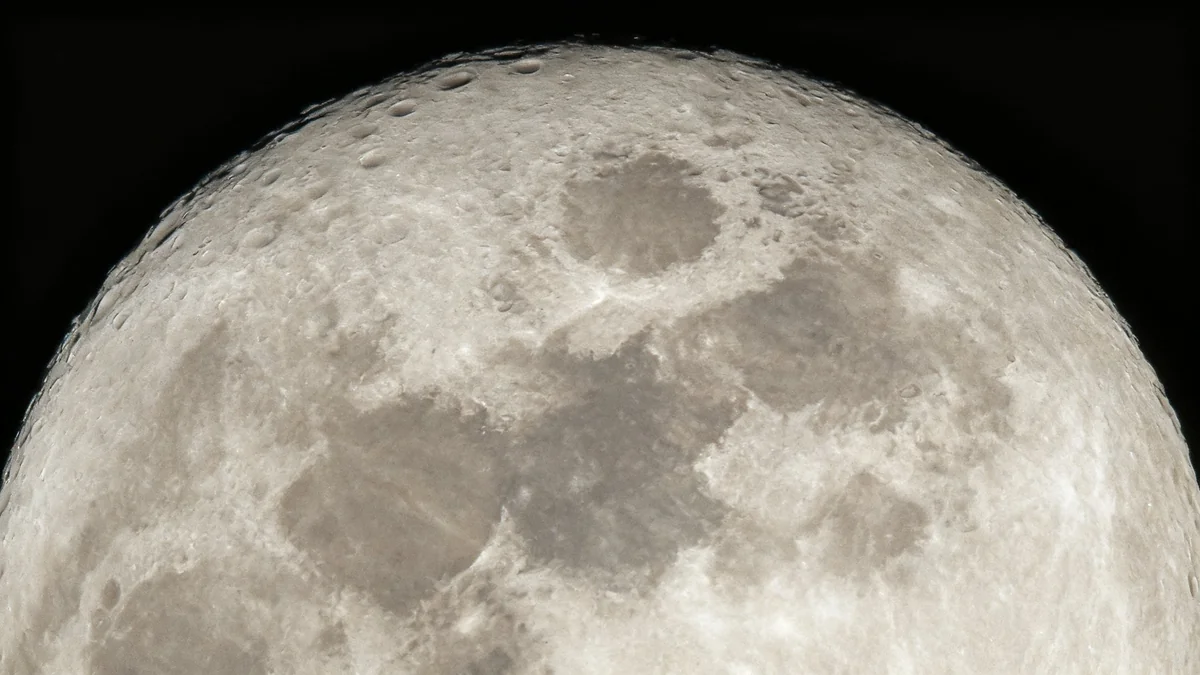
The Artemis II crew will analyze and photograph geological features on the lunar far side. This will provide critical information for the Artemis III mission, which aims for human surface exploration of the Moon. Handheld imaging of the Moon will be a key part of this effort.
CubeSats Extend Research Capabilities
Small, cost-effective satellites known as CubeSats have a proven track record. They are deployed from the space station and other spacecraft to test new technologies and conduct scientific research in low Earth orbit. Building on this success, NASA is collaborating with international partners to deploy CubeSats aboard Artemis II.
These CubeSats will perform technology demonstrations and studies in high Earth orbit. This expands their utility beyond low Earth orbit. The space station remains a critical testbed for optimizing communications, robotics, and other technologies essential for missions to the Moon and Mars. Researchers also continue to study the effects of spaceflight on people, develop tools for monitoring crew health, and enhance plant growth to support astronaut safety and well-being.
As humanity prepares to venture beyond Earth's orbit for the first time in over 50 years, the contributions of the International Space Station are clear. The station has provided the essential "walk" that enables Artemis to now "run" towards new frontiers.