



The Berkeley Space Center and the University of Luxembourg's Interdisciplinary Centre for Security, Reliability and Trust (SnT) have signed a five-year agreement to collaborate on space technology and research. The memorandum of understanding was formalized in San Francisco in the presence of Luxembourg's Prime Minister, Luc Frieden, establishing a new transatlantic link for space innovation.
This partnership aims to merge the research power of the University of California, Berkeley, with Luxembourg's established commercial space sector. The collaboration will focus on developing next-generation space systems, robotics, and the legal frameworks required for future space activities.
Key Takeaways
- UC Berkeley's Space Center and the University of Luxembourg's SnT have entered a five-year research partnership.
- The collaboration will concentrate on three main areas: digital space infrastructures, space robotics, and space law.
- The agreement facilitates joint research projects, academic exchanges, and connects Silicon Valley with Luxembourg's space industry.
- The partnership aims to drive innovation in satellite communications, autonomous space systems, and the rules governing commercial space activities.
A Transatlantic Bridge for Space Innovation
The agreement, signed on November 12, 2025, lays the groundwork for a strategic cooperation between two major hubs of technological advancement. By linking the proposed 36-acre Berkeley Space Center at NASA Ames with Luxembourg's dynamic space ecosystem, the initiative is positioned to accelerate progress in critical areas of space exploration and commercialization.
Prime Minister Luc Frieden's presence at the signing underscores the national importance of the collaboration for Luxembourg, which has cultivated a thriving space sector with over 80 companies and research institutions.
"Luxembourg’s space sector is thriving, benefiting from the presence of over 80 companies and research institutions that drive innovation and scientific excellence," stated Prime Minister Frieden. "Today’s MoU marks an important step toward deeper ties between Luxembourg and the Berkeley Space Centre, strengthening our ecosystems and opening new opportunities for research and entrepreneurship."
The partnership is designed to be comprehensive, moving beyond theoretical research to include joint conferences, workshops, and pathways for student and faculty exchanges. This flow of talent and ideas is expected to benefit both institutions and their respective tech communities.
Luxembourg: A Hub for Commercial Space
For decades, Luxembourg has strategically positioned itself as a European leader in the commercial space industry. It was a pioneer in satellite communications and has since developed a supportive legal and financial framework that attracts space-focused companies, from startups to established industry players.
Three Pillars of a New Frontier
The collaboration will channel its efforts into three distinct yet interconnected fields. These pillars represent some of the most pressing challenges and opportunities in the modern space industry.
Digital Space Infrastructures
This area of focus involves the backbone of modern space operations. Researchers will work on advanced satellite communication systems, mission-critical software, and the engineering of complex space systems. The development of more robust and efficient ground segment technologies will also be a priority, ensuring reliable communication with assets in orbit and beyond.
Space Robotics and Autonomous Systems
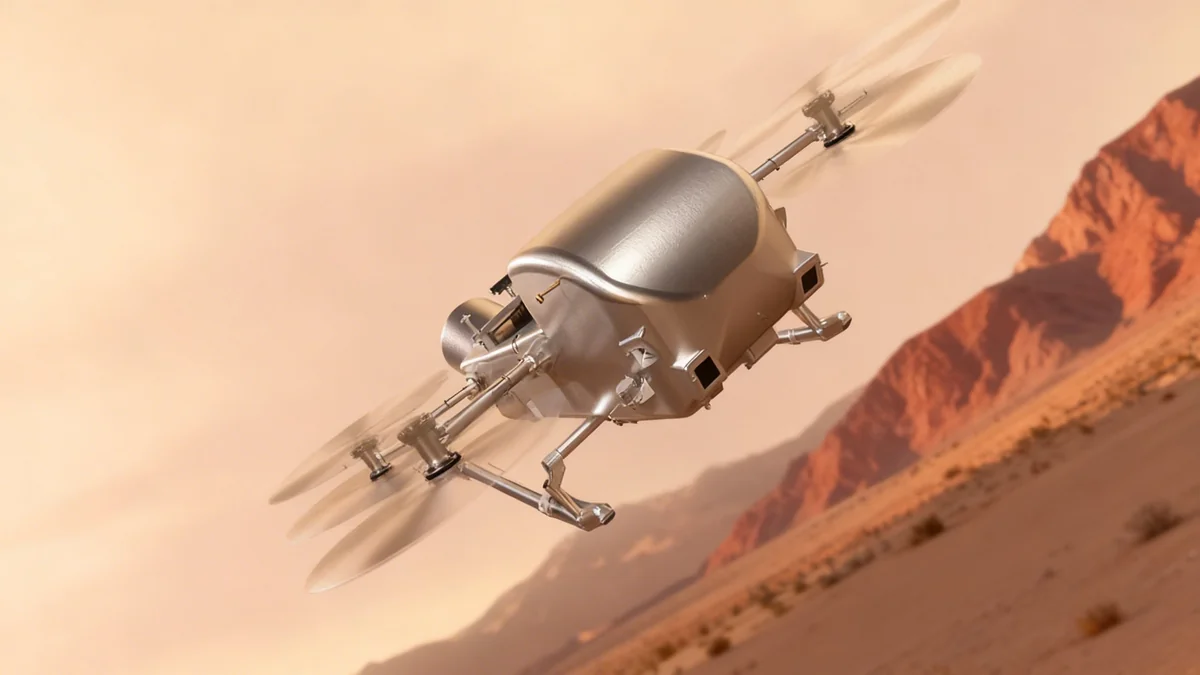
As humanity pushes further into the solar system, the need for autonomous technology grows. This part of the partnership will leverage expertise in robotics and artificial intelligence from both Berkeley and Luxembourg. The goal is to develop sophisticated autonomous systems for space exploration, in-orbit servicing, and resource utilization, reducing the need for direct human intervention in hazardous environments.
The Berkeley Space Center is a proposed innovation hub located in Silicon Valley, designed to bring academia, industry, and government together to launch new technological breakthroughs in fields like aerospace, quantum computing, and advanced materials.
Space Law and Policy
With the rapid growth of commercial space activities, the legal landscape is struggling to keep pace. This crucial research area will bring together UC Berkeley's legal and policy experts with the University of Luxembourg’s leadership in commercial space regulation. The teams will explore and help define the legal frameworks needed to govern future space activities, from satellite deployment to resource extraction on other celestial bodies.
Connecting Ecosystems for Future Growth
The ultimate vision of the partnership extends beyond specific research projects. It is about creating a symbiotic relationship between two of the world's leading innovation ecosystems. Students and postdoctoral scholars will have opportunities to work on cutting-edge challenges on both sides of the Atlantic.
Dr. Victoria Coleman, Associate Provost for the Berkeley Space Center, highlighted the significance of this international link.
"By connecting UC Berkeley’s research excellence with Luxembourg’s dynamic space ecosystem... we are laying the groundwork for transformative discoveries in digital infrastructures, autonomous systems, and space governance," she said. "Together, we are preparing the technologies and talent that will shape humanity’s next chapter beyond Earth."
The agreement also aims to foster entrepreneurship, with plans to explore joint incubation and acceleration activities. This could provide a direct pipeline for new technologies developed through the partnership to be commercialized, further strengthening the space economies of both California and Luxembourg.