

NASA's next major observatory, the Nancy Grace Roman Space Telescope, is on track for a September launch, positioning the agency to complete a flagship science mission significantly ahead of schedule and within its budget. Project officials confirmed the telescope is fully assembled and entering its final testing phase before being shipped for launch.
Key Takeaways
- The Nancy Grace Roman Space Telescope is scheduled to launch as early as September 28 on a SpaceX Falcon Heavy rocket.
- The mission is proceeding ahead of its formal May 2027 commitment date and remains within its $4.3 billion lifecycle budget.
- NASA officials are highlighting the project as proof that the agency can successfully manage large-scale science missions without the delays or cost overruns that affected past projects like the James Webb Space Telescope.
- Following launch, the telescope will undergo a 90-day commissioning period before beginning its primary science operations.
Final Preparations for a New Cosmic Eye
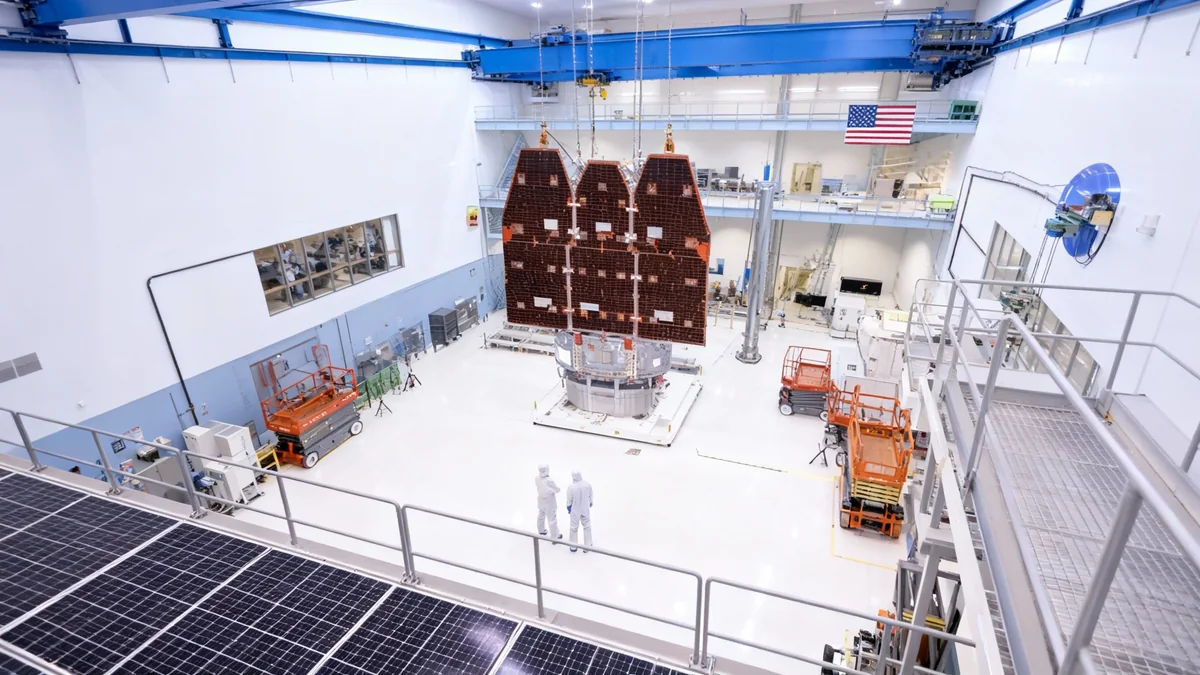
At NASA's Goddard Space Flight Center, the Nancy Grace Roman Space Telescope stands fully assembled in a specialized clean room, poised for the final leg of its journey to space. According to project officials, the spacecraft is scheduled to begin critical vibration and acoustic testing in February. These tests are designed to simulate the intense conditions of a rocket launch, ensuring the telescope's sensitive instruments can withstand the journey.
"It’s really real," said Julie McEnery, Roman’s senior project scientist, during a recent astronomy conference. "We’re at the finish line here."
If these final tests proceed as planned, the observatory will be transported to Florida in June. The launch is currently targeted for September 28 aboard a SpaceX Falcon Heavy rocket. This timeline places the mission more than six months ahead of its official launch commitment date of May 2027.
Roman Telescope by the Numbers
- Total Cost: $4.3 billion (estimated lifecycle)
- Launch Vehicle: SpaceX Falcon Heavy
- Launch Target: September 28
- Commissioning Phase: 90 days
- Official Deadline: May 2027
A New Model for Flagship Missions
The progress of the Roman Space Telescope is a significant point of pride for NASA. The agency is actively presenting the mission as a model for how it can execute complex, large-scale science projects efficiently. This stands in contrast to the development of the James Webb Space Telescope, which, despite its groundbreaking scientific success, experienced years of delays and significant cost overruns.
"I don’t want to hear that we can’t do flagships on time and on budget. The Roman team has proven that we can."
Shawn Domagal-Goldman, director of NASA’s astrophysics division, emphasized the project's success during a town hall meeting. "The Nancy Grace Roman Space Telescope project is still not just on schedule but ahead of schedule and under budget. That’s incredible," he stated. He noted that the team maintained this trajectory despite challenges like the COVID-19 pandemic and government shutdowns.
Delivering on Scientific Promises
Crucially, project leaders have affirmed that staying on schedule and budget has not come at the expense of scientific capability. The telescope is set to meet or even surpass all of its original science requirements.
"We have not made compromises," McEnery explained. "The mission that we described at the mission confirmation review is the one that we built." This ensures the scientific community will receive the powerful instrument it was promised for exploring dark energy, exoplanets, and a wide range of infrared astrophysics.
What Will Roman Study?
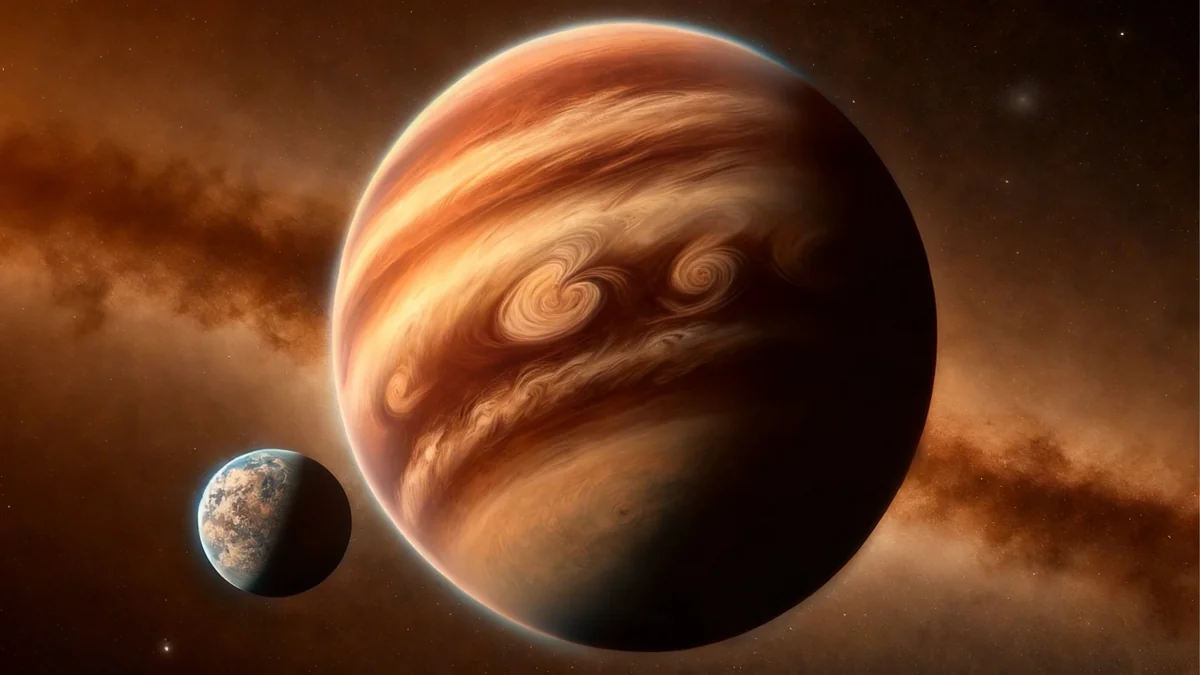
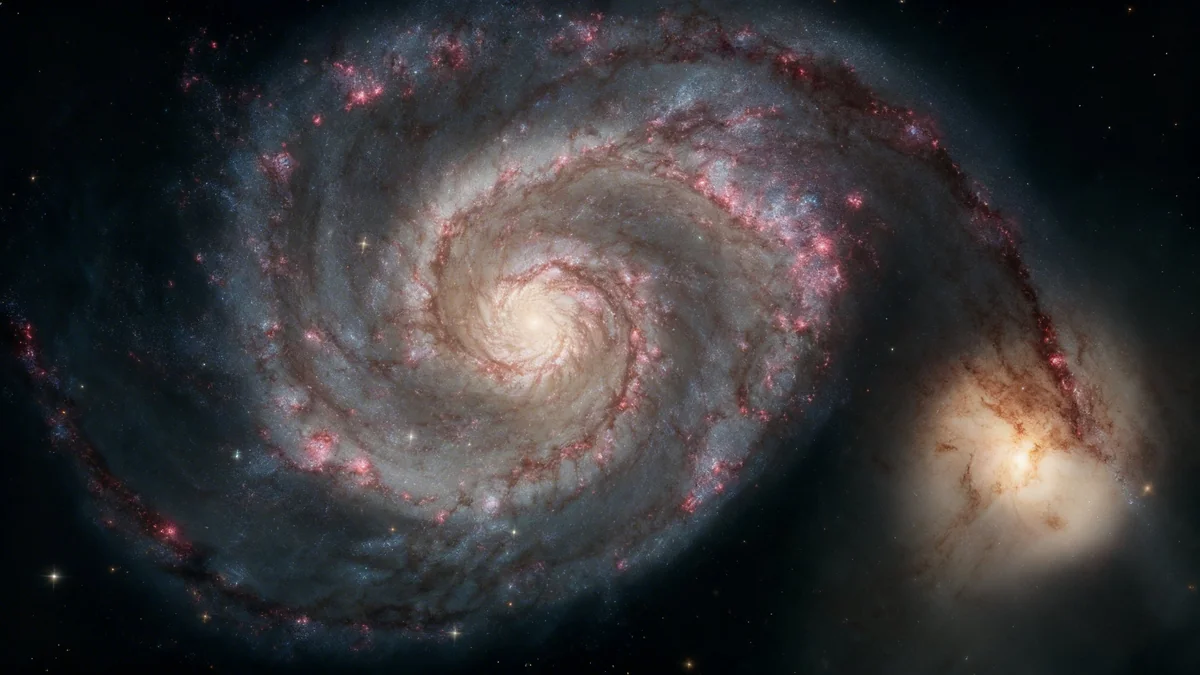
The Roman Space Telescope has two primary instruments. The Wide Field Instrument will have a field of view 100 times greater than Hubble's, allowing it to map vast stretches of the sky to study the mysteries of dark energy and dark matter. It will also conduct a large census of exoplanets. The second instrument, a Coronagraph Instrument, will test new technology to directly image exoplanets by blocking out the light of their host stars.
The Path Forward to Science Operations
Once the Roman telescope launches, it will travel to the second Lagrange point (L2), a gravitationally stable point about 1.5 million kilometers from Earth, where the James Webb Space Telescope also operates. The journey and initial setup will be followed by a commissioning phase expected to last approximately 90 days.
During this period, engineers and scientists will meticulously check and calibrate the spacecraft's systems and scientific instruments. After this checkout is complete, the telescope will begin its primary science mission, embarking on wide-field surveys that will generate enormous amounts of data for astronomers worldwide.
The focus among scientists is already shifting from the telescope's construction to how to best utilize the massive datasets it will produce. The observatory is expected to fundamentally change our understanding of the universe, and the efficient management of its development means those discoveries may now come sooner than anticipated.