
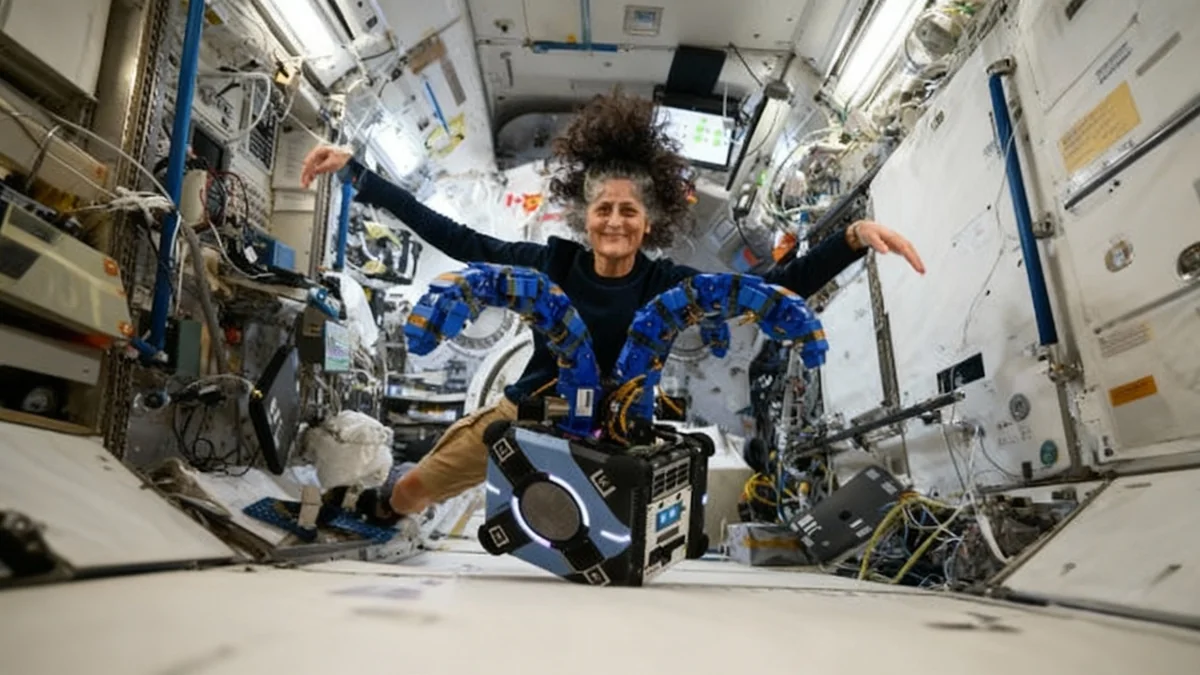
NASA has confirmed the retirement of veteran astronaut Suni Williams, a decorated former Navy pilot who spent more than 600 days in orbit. Williams, who joined the agency in 1988, concluded her remarkable 27-year career, leaving a legacy that includes the most spacewalk time for any female astronaut and a final, unexpectedly long mission aboard the International Space Station.
Her retirement, effective December 27, was announced by NASA on Tuesday. It marks the end of an era for an astronaut who played a pivotal role in space station operations and the dawn of commercial crewed spaceflight.
Key Takeaways
- Veteran NASA astronaut Suni Williams has retired after a 27-year career with the space agency.
- Williams holds the record for the most spacewalk time by a female astronaut, totaling 62 hours and 6 minutes.
- Her career total of 608 days in space ranks as the second-longest cumulative time for any NASA astronaut.
- Her final mission in 2024 became a nine-month stay on the ISS due to issues with the Boeing Starliner capsule.
A Storied Career in Orbit
Throughout her tenure, Suni Williams completed three missions to the International Space Station (ISS), solidifying her reputation as one of NASA's most experienced spacefarers. Her first journey to the orbiting laboratory was in 2006 aboard the space shuttle Discovery.
Over nearly three decades, Williams accumulated a staggering 608 days in space. This achievement places her second on the list for the longest cumulative time spent in orbit by any NASA astronaut. Her work outside the station was equally groundbreaking.
Record-Setting Spacewalker
Suni Williams logged a total of 62 hours and 6 minutes on spacewalks, or Extravehicular Activities (EVAs). This is the most for any female astronaut in history and the fourth-most for any NASA astronaut, regardless of gender.
Her contributions were recognized by NASA leadership. "Suni Williams has been a trailblazer in human spaceflight, shaping the future of exploration through her leadership aboard the space station and paving the way for commercial missions to low Earth orbit,” said NASA Administrator Jared Isaacman in a statement.
The Unplanned Final Mission
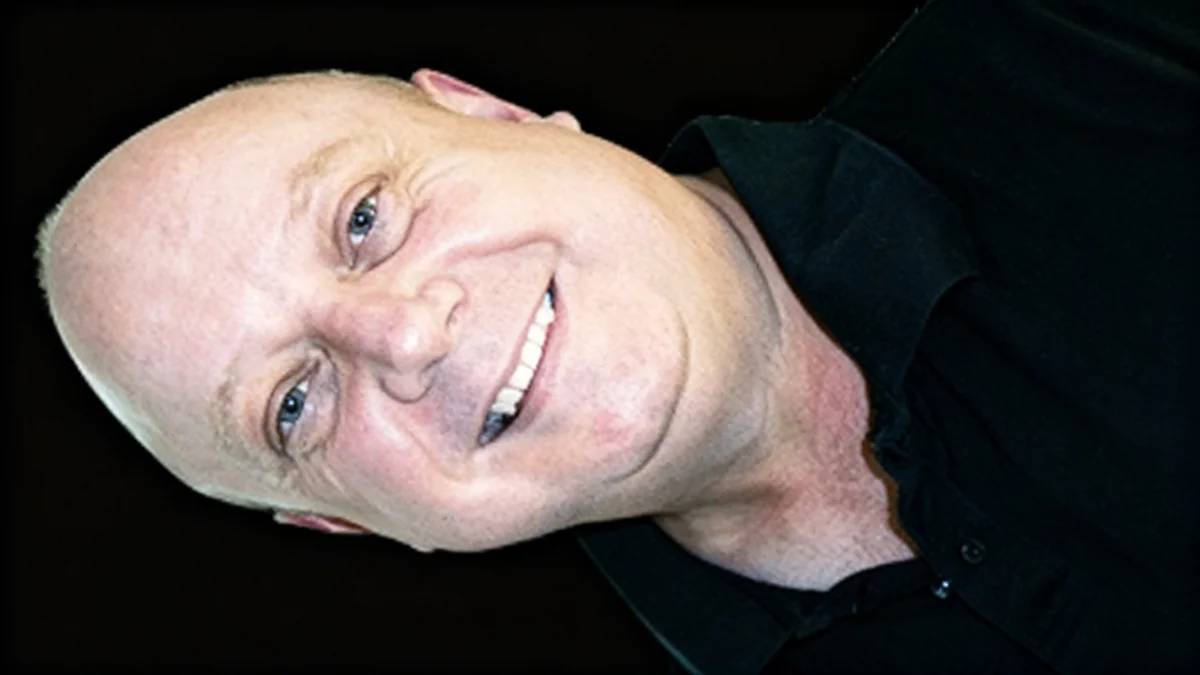
Williams' final mission became one of the most notable chapters of her career. She and fellow astronaut Butch Wilmore launched aboard Boeing's CST-100 Starliner on June 5, 2024, for what was intended to be a one-week test flight to the ISS.
However, the mission timeline changed dramatically after the Starliner capsule encountered issues with its thrusters during the docking process. Citing safety concerns, NASA made the decision in September to return the experimental spacecraft to Earth without a crew.
This left Williams and Wilmore on the space station, extending their stay from one week to nine months. They ultimately spent 286 days living and working on the ISS before returning home.
A Change of Ride Home
With the Starliner deemed unsafe for the return journey, NASA dispatched a SpaceX Dragon capsule to retrieve the stranded astronauts. Williams, Wilmore, and two other crew members who were completing a separate six-month mission departed the ISS on March 18, 2025, splashing down safely off the coast of Florida.
Despite the unexpected extension, the astronauts maintained a professional outlook. "The plan went way off for what we had planned, but because we’re in human spaceflight, we prepare for any number of contingencies,” Wilmore explained after their return. “This is a curvy road. You never know where it’s going to go.”
Adapting to Life in Space and on Earth
Living in microgravity for extended periods takes a significant toll on the human body. However, Williams noted that her previous long-duration flights helped her adapt to the prolonged stay and subsequent recovery back on Earth.
“Though it was longer than any flight either one of us have flown before, I think my body remembered,” Williams told NBC News in an interview following her return.
This resilience and adaptability were hallmarks of her career, from conducting complex scientific experiments like the Reversible Figures (RFx) experiment in 2012 to navigating the challenges of an unscheduled nine-month mission.
Reflecting on her time with the agency, Williams expressed deep gratitude for her experiences.
"Anyone who knows me knows that space is my absolute favorite place to be," she said in a statement released by NASA. She described her career and the opportunity to serve as an "incredible honor." Her departure marks the end of a significant chapter in American human spaceflight, leaving a lasting impact on the future of exploration.