



Elon Musk's aerospace company, SpaceX, is exploring a new share sale with investors that could value the company at an unprecedented $800 billion. This move would double its current valuation and position it as the most valuable private technology company in the world.
The discussions, which have been held with potential investors in recent days, are designed to gauge interest in a secondary share offering. Such sales allow existing shareholders and employees to sell a portion of their holdings, providing liquidity for backers of the 23-year-old private firm.
Key Takeaways
- SpaceX is in talks for a share sale that would target an $800 billion valuation.
- This represents a 100% increase from its current $400 billion valuation.
- If successful, SpaceX would surpass OpenAI as the world's most valuable private startup.
- The company regularly conducts secondary share sales to provide liquidity for early investors and employees.
A New Stratosphere for Valuation
SpaceX is in preliminary discussions with investors about a potential secondary share sale, a standard practice for the company which occurs roughly every six months. The key difference this time is the ambitious valuation target: $800 billion.
This figure represents a significant leap from its most recent valuation of $400 billion, which was established in July of this year. The rapid appreciation highlights intense investor confidence in the company's long-term strategy and market dominance.
A secondary sale is not about raising new capital for the company itself. Instead, it offers a structured opportunity for long-term investors and employees, who hold stock in the private entity, to realize financial gains on their shares without the company going public.
Rapid Growth Trajectory
SpaceX's valuation has seen a dramatic acceleration. The company's value doubled from mid-2023 to July 2024, reaching $400 billion. The new target aims to double that figure again in less than a year, showcasing extreme bullishness from the market.
Surpassing Tech Giants
Achieving an $800 billion valuation would be a landmark moment, not just for SpaceX but for the entire private market. It would firmly establish the aerospace manufacturer as the most valuable startup globally.
This would place it significantly ahead of its closest competitor, the artificial intelligence firm OpenAI, which was recently valued at $500 billion. The move would see SpaceX reclaim a title it has held previously, underscoring its unique position at the intersection of advanced technology, manufacturing, and telecommunications.
What is a Private Valuation?
Unlike public companies traded on stock exchanges, private companies like SpaceX are valued during funding rounds or secondary share sales. These valuations are determined by what investors are willing to pay for a stake in the company, based on its performance, assets, and future growth potential.
The Engines of Growth: Starlink and Starship
The soaring valuation isn't based on speculation alone. It's driven by two of the company's most ambitious and increasingly successful projects: Starlink and Starship.
Starlink's Global Reach
Starlink, the company's satellite internet division, has become a major revenue driver. By deploying thousands of small satellites in low-Earth orbit, SpaceX now provides high-speed internet to remote and underserved regions across the globe. Its critical role in global connectivity, including in conflict zones, has demonstrated its strategic importance and commercial viability.
The Promise of Starship
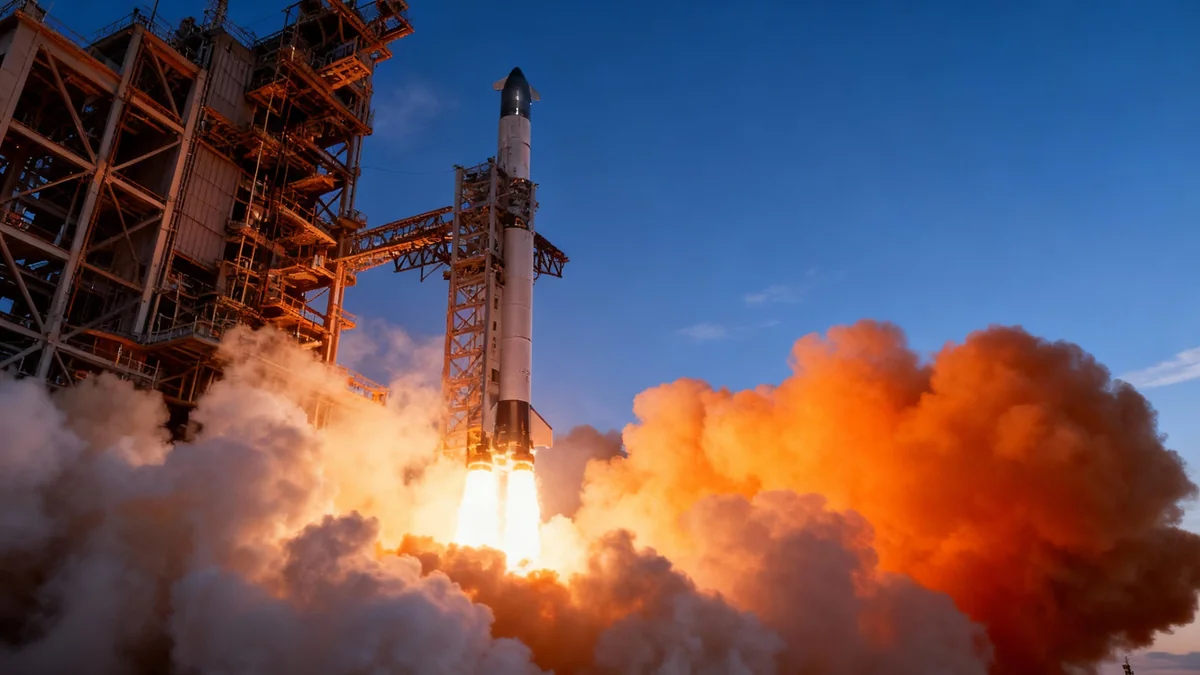
Alongside Starlink, the development of the Starship rocket system is a primary factor in investor optimism. Designed to be a fully reusable transportation system, Starship is intended to carry crew and cargo to Earth orbit, the Moon, and eventually Mars. Recent successful test flights have bolstered confidence that the system will revolutionize space travel and payload delivery, drastically reducing costs.
"Investors are betting on the company's significant technological lead and its established role as a key partner for government and commercial space missions."
The combination of a proven, cash-generating business in Starlink and the transformative potential of Starship creates a powerful narrative for investors who believe in the long-term growth of the space economy.
Investor Confidence and Market Dynamics
The regular cadence of secondary sales at SpaceX has created a unique, semi-liquid market for its shares, allowing it to remain private for over two decades while still rewarding early backers. This strategy has allowed the company to focus on long-term engineering goals without the quarterly pressures of a public company.
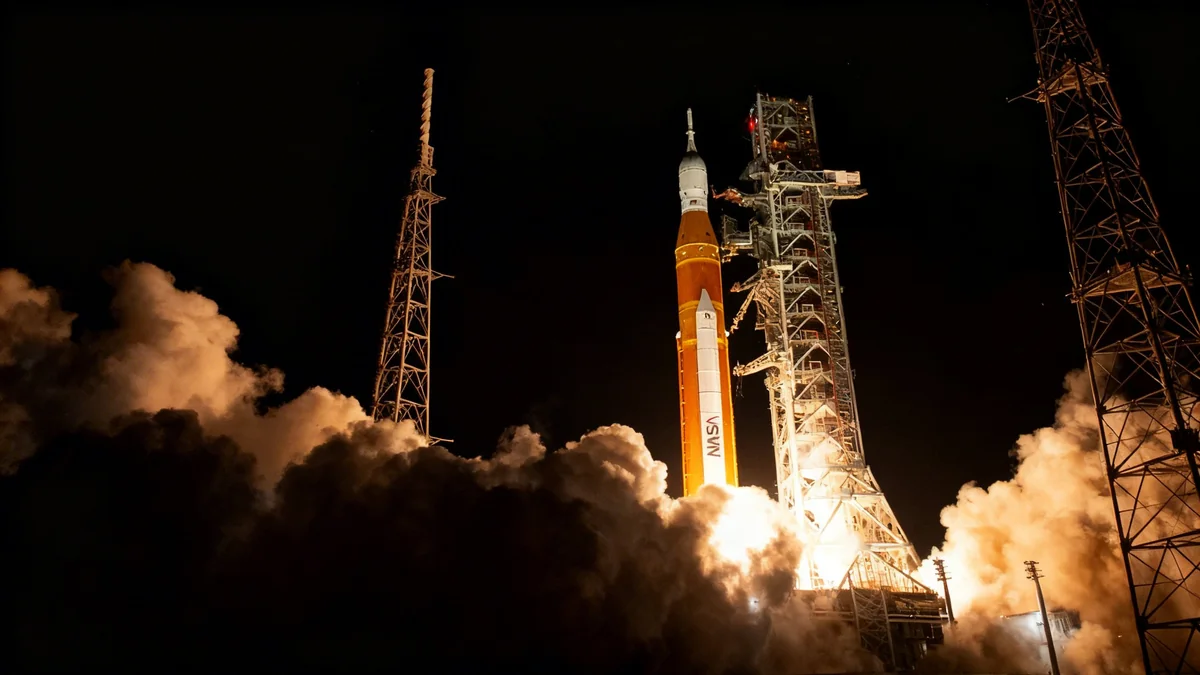
Investors participating in these sales are signaling their belief that SpaceX's dominance in the launch industry is secure. The company's ability to innovate rapidly and its strong relationships with government agencies like NASA are seen as significant competitive advantages.
The potential $800 billion valuation reflects a market that sees SpaceX not just as a rocket manufacturer, but as a foundational infrastructure company for the future of communication, exploration, and potentially interplanetary civilization.