


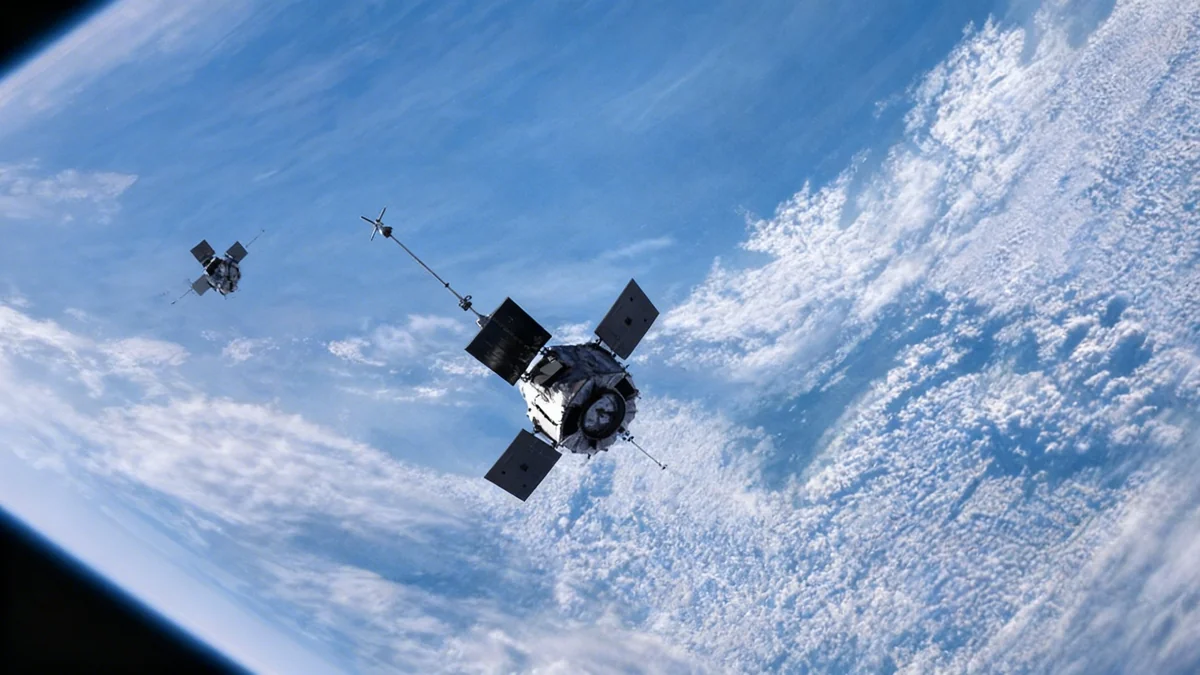
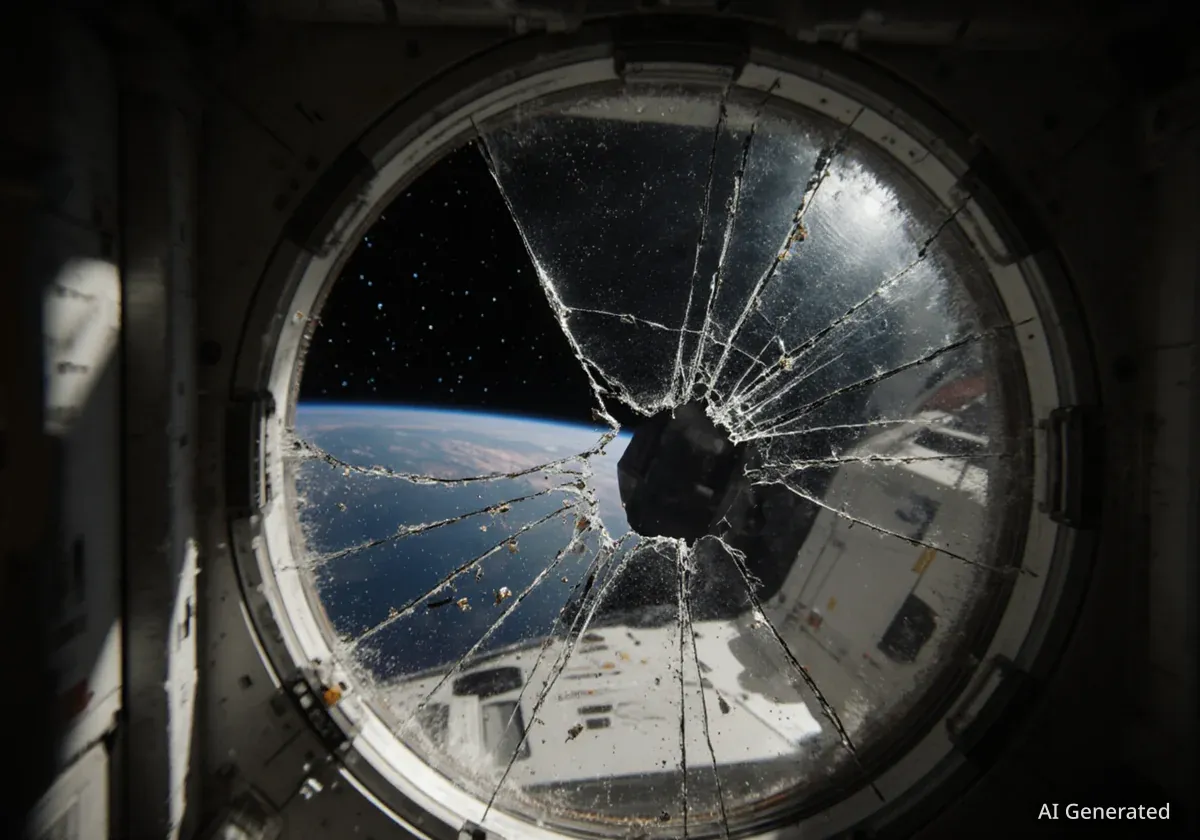
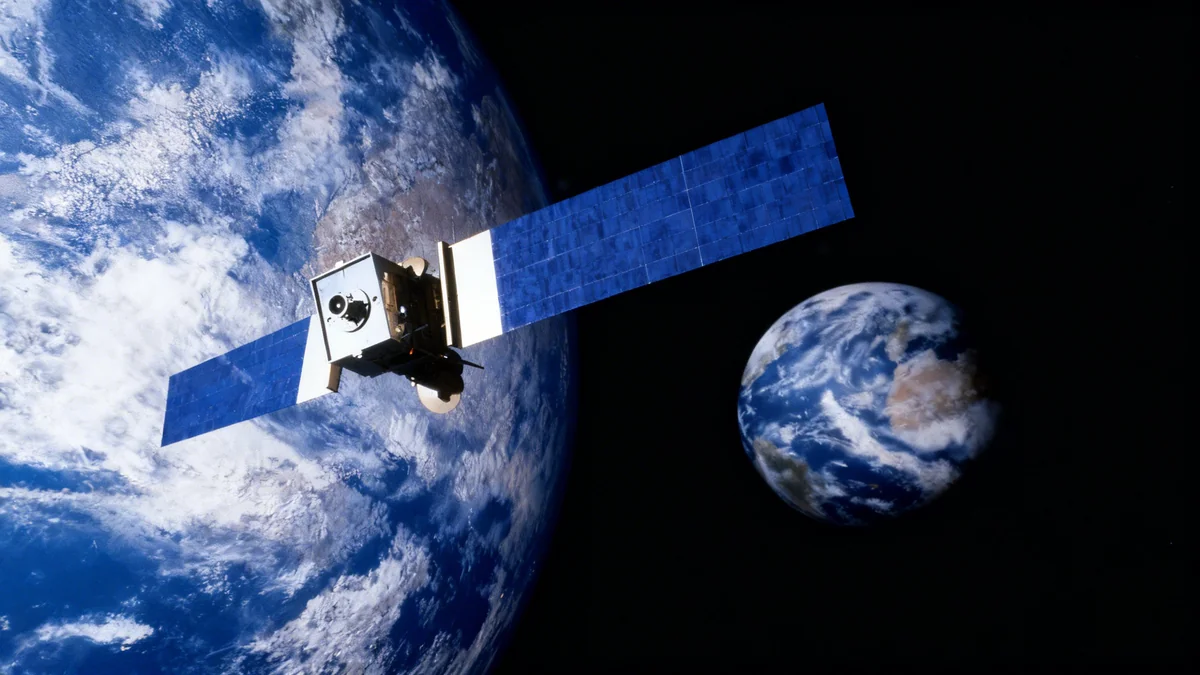
Spain's recently launched SpainSat NG 2 military communications satellite has suffered a critical failure while traveling to its final orbital position. The incident, which occurred just months after its October launch, is being attributed to an impact with a space particle, according to a statement from its owner, Indra Group.
The high-tech satellite, a key component of Spain's next-generation secure communications network, was insured for approximately $400 million. The operator, Hisdesat, has activated contingency plans to ensure continuity of service for its government and military clients.
Key Takeaways
- The SpainSat NG 2 military satellite, launched in October 2025, has experienced a mission-ending failure.
- Owner Indra Group attributes the failure to the "impact of a space particle" during its journey to geostationary orbit.
- The satellite was insured for $400 million, mitigating the direct financial loss.
- Operator Hisdesat has enacted contingency plans to maintain secure communication services for its clients, including the Spanish Ministry of Defense.
Details of the Orbital Incident
The failure occurred while the SpainSat NG 2 was in the critical phase of orbit-raising, a multi-month journey from its initial transfer orbit to its final operational slot 36,000 kilometers above the Earth. During this transit, the spacecraft is particularly vulnerable.
In a statement released on January 2, 2026, Indra Group officially confirmed the anomaly. The company, which recently became the majority owner of both the commercial operator Hispasat and the military operator Hisdesat, pinpointed the cause of the failure with a high degree of certainty.
"Hisdesat has implemented a contingency plan to assure that... [the failure] was caused by 'the impact of a space particle' as the satellite was making its way to its final position in geostationary orbit," the company stated.
The term "space particle" can refer to a range of objects, from naturally occurring micrometeoroids to tiny fragments of man-made space debris. At orbital velocities, which can exceed 28,000 kilometers per hour, even a minuscule object can release enough kinetic energy to cause catastrophic damage to sensitive satellite components.
A Critical Asset for National Security
The SpainSat NG program is a cornerstone of Spain's defense infrastructure. Developed by a consortium including Airbus Defence and Space and Thales Alenia Space, the program consists of two satellites, NG 1 and NG 2. They are designed to provide secure, high-capacity communications for the Spanish Armed Forces, as well as for allies and partners such as NATO.
Financial and Operational Fallout
The loss of a brand-new, state-of-the-art satellite represents a significant setback for the program. However, the immediate financial impact has been cushioned by a comprehensive insurance policy. The spacecraft was reportedly insured for a value of $400 million, a standard practice for high-value space assets that protects against launch or in-orbit failures.
Operationally, Hisdesat moved quickly to manage the situation. The company's contingency plan is designed to re-route communications and utilize existing assets to prevent any disruption in service. This is critical for maintaining the trust of its primary users, including the Spanish Ministry of Defense and international security organizations that rely on its network.
The focus will now shift to the SpainSat NG 1, the twin satellite of the failed spacecraft, which is scheduled for a future launch. The investigation into the NG 2 failure will be crucial for ensuring the success of its successor.
The Growing Danger of Space Debris
The incident highlights a growing concern for all satellite operators. According to the European Space Agency (ESA), there are over 36,500 pieces of debris larger than 10 cm being tracked in orbit. The number of smaller, untrackable particles is estimated to be in the millions. Each piece poses a potential threat to the thousands of active satellites that provide critical services on Earth.
The Broader Context of Orbital Hazards
While Indra's statement specified a "space particle," the incident underscores the unpredictable nature of the space environment. The region of space where satellites operate is becoming increasingly congested, not just with active satellites but also with defunct spacecraft and fragments from past collisions and anti-satellite missile tests.
Key threats in orbit include:
- Micrometeoroids: Naturally occurring dust-sized particles traveling at immense speeds.
- Orbital Debris: Man-made objects, from paint flecks to entire dead satellites, left over from decades of space activity.
- Collision Risk: As more satellites are launched, particularly large constellations, the mathematical probability of collisions increases.
This event serves as a stark reminder to the global space community of the inherent risks involved in space operations. For military operators, whose assets are vital for national security, the threat of orbital debris is not just an operational challenge but a strategic one. Ensuring the resilience of space-based systems against such hazards is becoming a top priority for defense agencies worldwide.
The investigation into the SpainSat NG 2 failure will be closely watched by the entire industry. Its findings could influence future satellite designs, debris mitigation strategies, and the evolving legal and regulatory frameworks governing activities in Earth's orbit.