

A newly launched satellite came within 200 meters of a SpaceX Starlink spacecraft, prompting renewed calls for improved coordination among satellite operators as low Earth orbit becomes increasingly congested. The incident highlights the growing risks of orbital debris and the potential for catastrophic collisions.
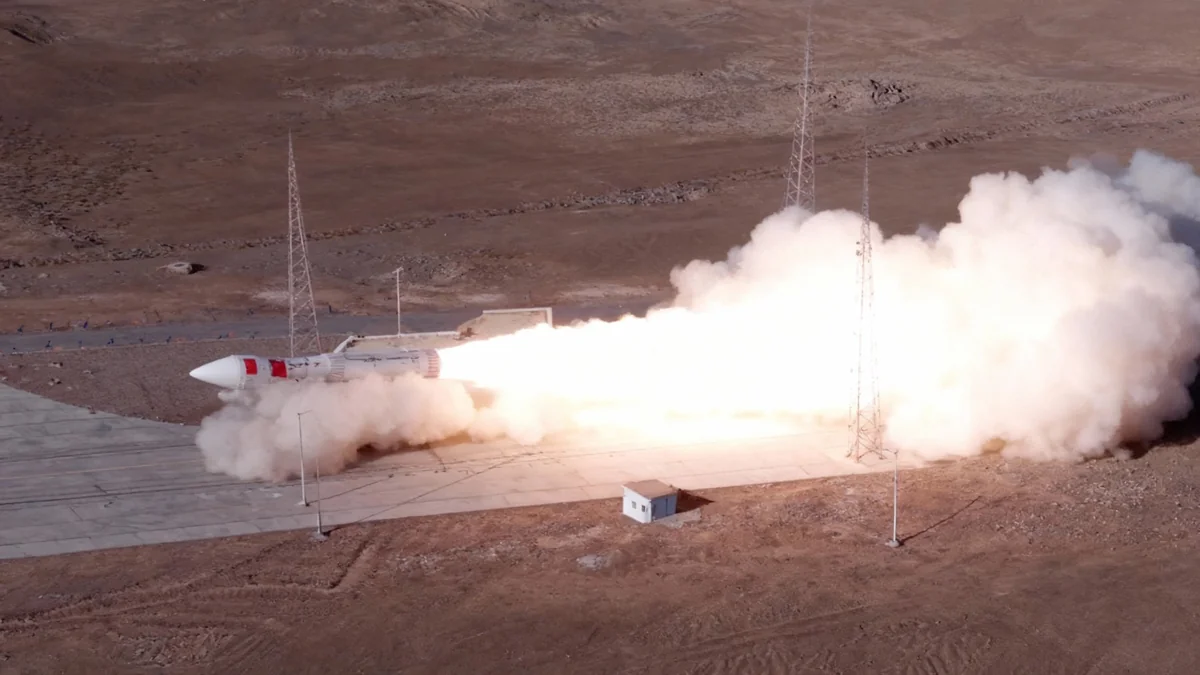
The close approach occurred at an altitude of 560 kilometers following the launch of a Chinese Kinetica 1 rocket. SpaceX officials stated that no deconfliction measures were communicated prior to the event, raising concerns about the lack of standardized traffic management in space.
Key Takeaways
- A satellite from a recent Chinese Kinetica 1 launch passed within 200 meters of a SpaceX Starlink satellite.
- SpaceX's Vice President of Starlink Engineering, Michael Nicolls, cited a lack of coordination from the new satellite's operators.
- The incident occurred at an altitude of 560 km, a busy region of low Earth orbit.
- The number of active satellites has quadrupled since 2020, increasing collision risks and fueling concerns about the Kessler syndrome.
A Close Call in a Crowded Sky
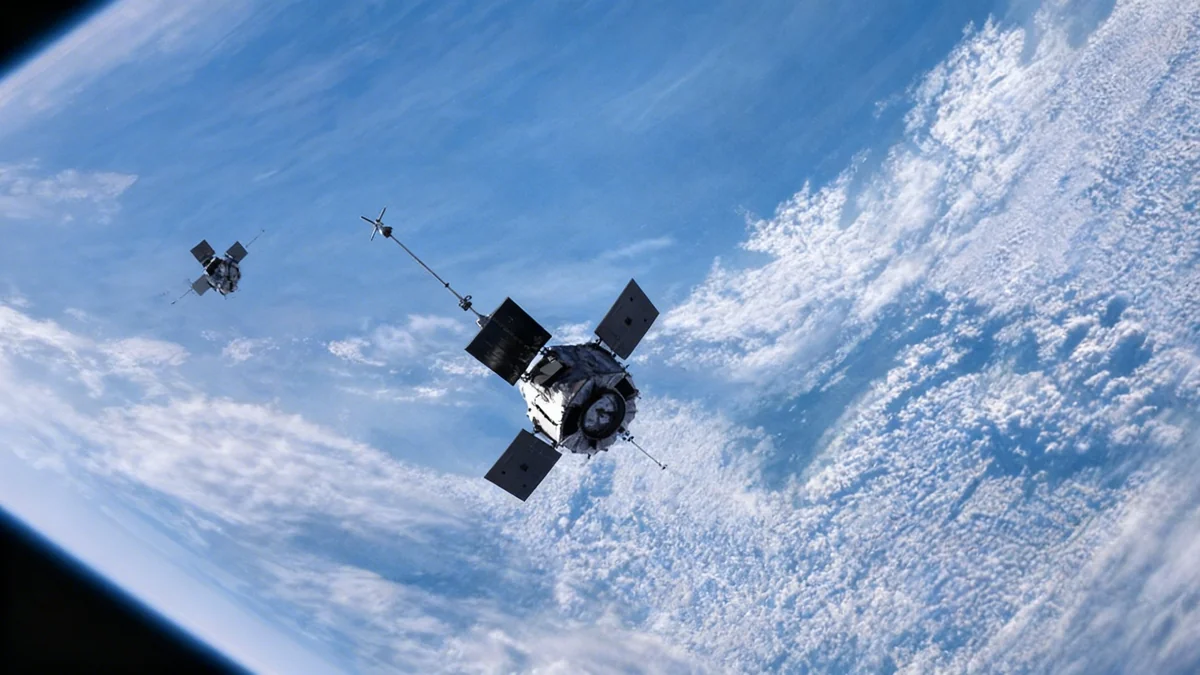
An incident in low Earth orbit has brought the issue of space traffic management into sharp focus. A satellite, one of nine deployed by a Chinese Kinetica 1 rocket on December 9, passed dangerously close to an operational Starlink satellite, designated STARLINK-6079.
The encounter happened at an altitude of 560 kilometers, a popular orbital plane for communication and observation satellites. According to SpaceX, the two spacecraft missed each other by a mere 200 meters, a perilously small margin in the high-velocity environment of space.
Michael Nicolls, Vice President of Starlink Engineering at SpaceX, publicly addressed the event, emphasizing the lack of communication from the newly deployed satellite's operators.
"As far as we know, no coordination or deconfliction with existing satellites operating in space was performed... Most of the risk of operating in space comes from the lack of coordination between satellite operators — this needs to change."
The Kinetica 1 rocket, operated by Guangzhou-based company CAS Space, is a 30-meter-tall solid-fuel launcher. The December 9 mission carried a diverse payload, including six multifunctional satellites for China, an Earth-observation satellite for the UAE, a scientific satellite for Egypt, and an educational satellite for Nepal. It has not been specified which of these nine spacecraft was involved in the near-miss.
An Industry Responds
In response to the public statement from SpaceX, CAS Space acknowledged the situation and confirmed it was investigating the details. The launch provider stated that its standard procedure involves selecting launch windows to avoid known satellites and debris, using ground-based space awareness systems.
The company noted that the incident occurred nearly 48 hours after the payloads were separated from the rocket, at which point its direct launch mission was considered complete. However, CAS Space committed to coordinating with the satellite operators to understand the situation fully.
In a follow-up statement, the company highlighted the need for better collaboration between different segments of the commercial space industry, referring to it as an opportunity to "re-establish collaborations between the two New Space ecosystems."
What is a Conjunction?
In orbital mechanics, a conjunction is an event where two objects in space are predicted to pass very close to each other. Satellite operators constantly monitor for potential conjunctions with other satellites or space debris to perform avoidance maneuvers if the collision risk is too high.
The Growing Danger of a Crowded Orbit
This close call is not an isolated event but a symptom of a much larger problem: the rapidly increasing congestion in low Earth orbit. The space around our planet is becoming filled with satellites at an unprecedented rate.
Just five years ago, in 2020, there were fewer than 3,400 active satellites orbiting Earth. Today, that number has surged to approximately 13,000. This dramatic increase is largely driven by the deployment of large satellite constellations, with SpaceX's Starlink network being the most prominent.
Starlink by the Numbers
- Total Active Satellites: Nearly 9,300
- Launched This Year: Over 3,000
- Avoidance Maneuvers (First 6 months of 2025): ~145,000
- Average Maneuvers per Satellite per Month: 4
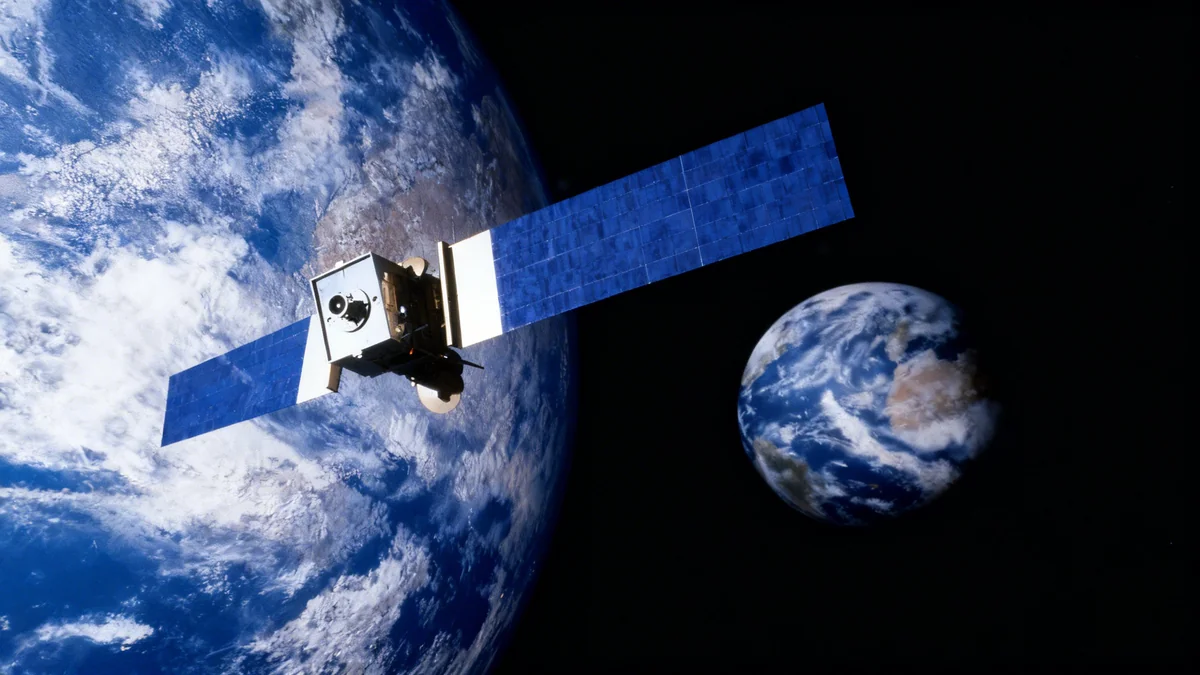
SpaceX has equipped its Starlink satellites with an autonomous collision avoidance system. This system uses publicly available tracking data to predict potential conjunctions and automatically maneuver the satellites to safety. The system is highly active, performing an average of four avoidance maneuvers per satellite every month.
However, these automated systems rely on accurate and shared trajectory data. When new satellites are launched without this information being made available, they become invisible hazards, capable of blindsiding even the most sophisticated avoidance technologies.
The Kessler Syndrome Nightmare
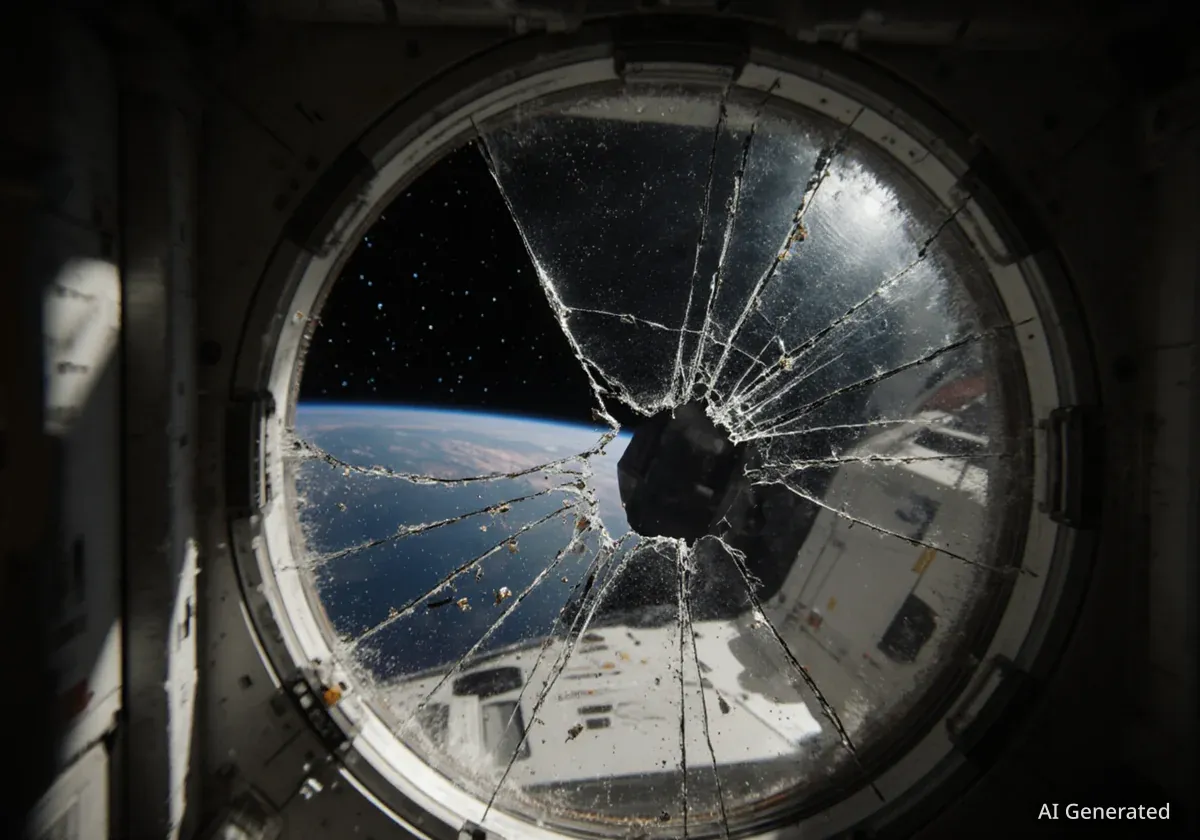
The primary concern among space experts is the risk of a single collision triggering a chain reaction. A high-velocity impact between two satellites would create a massive cloud of space debris. Each piece of this debris, traveling at orbital speeds, becomes a projectile capable of destroying other satellites.
This cascading effect is known as the Kessler syndrome, a scenario first proposed by NASA scientist Donald J. Kessler in 1978. In this theoretical scenario, the density of debris in low Earth orbit becomes so high that collisions become commonplace, creating more debris and rendering certain orbital altitudes unusable for generations.
A Kessler-type event would threaten not only future space missions but also the critical infrastructure we rely on daily, including:
- GPS navigation
- Global communications
- Weather forecasting
- Financial transactions
- Scientific research
Incidents like the recent near-miss serve as a stark reminder that the Kessler syndrome is not just a theoretical concept. As thousands more satellites are planned for launch in the coming years, the need for international agreements on space traffic management, mandatory data sharing, and debris mitigation has never been more urgent. The quiet vacuum of space is becoming a busy highway, and without clear rules of the road, a major accident seems increasingly inevitable.