
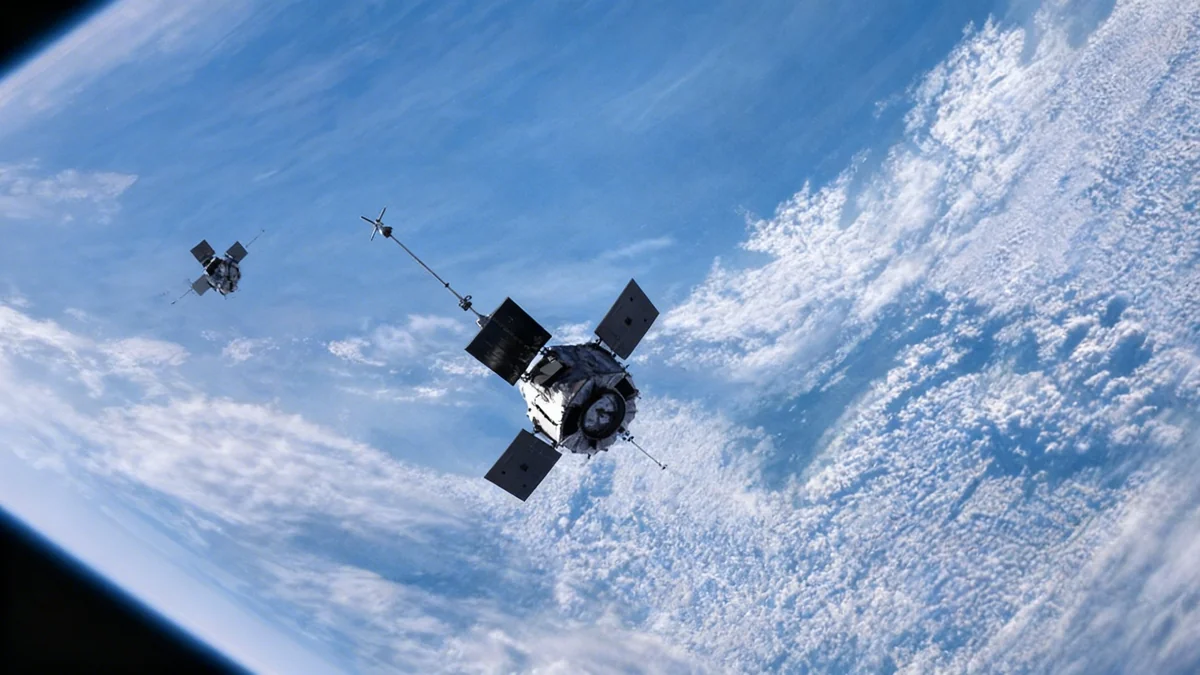

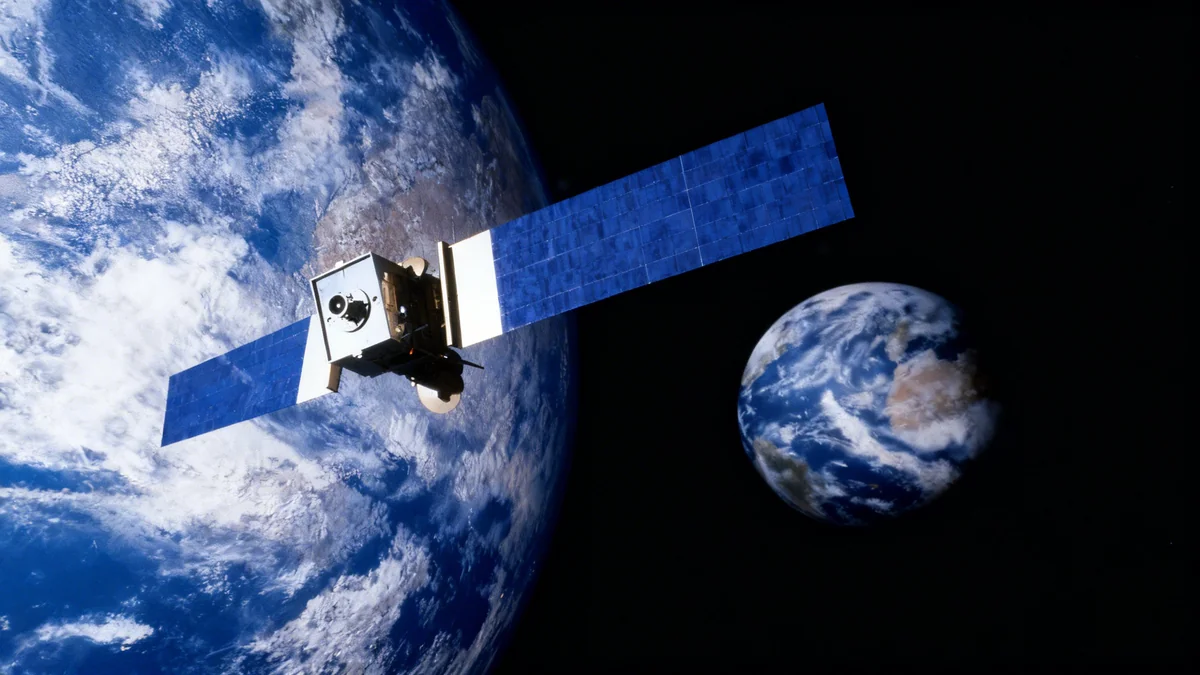
A 1,300-pound NASA satellite is set to make an uncontrolled reentry into Earth's atmosphere this week after nearly 14 years in space. The spacecraft, known as Van Allen Probe A, is expected to largely burn up upon its descent, with officials stating the risk to people on the ground is extremely low.
The U.S. Space Force is tracking the object and has provided a preliminary window for its atmospheric return. The probe's mission, which studied Earth's hazardous radiation belts, concluded in 2019.
Key Takeaways
- NASA's 1,323-pound Van Allen Probe A is expected to reenter the atmosphere on or around Tuesday, March 10.
- Most of the satellite will disintegrate, but some components may survive the fall.
- The statistical risk of harm to anyone on Earth is approximately 1 in 4,200, according to NASA.
- The probe is reentering years earlier than anticipated due to increased solar activity expanding Earth's atmosphere.
The Final Descent of Van Allen Probe A
After more than a decade orbiting our planet, the Van Allen Probe A spacecraft is on its final trajectory. Weighing approximately 600 kilograms (1,323 pounds), the satellite has been gradually losing altitude since its mission was formally ended in October 2019.
Current projections from the U.S. Space Force estimate its reentry will occur on Tuesday, March 10, around 7:45 p.m. EDT. However, this window comes with a 24-hour margin of error on either side, as predicting the exact moment of reentry for uncontrolled objects is a complex science influenced by atmospheric density and solar activity.
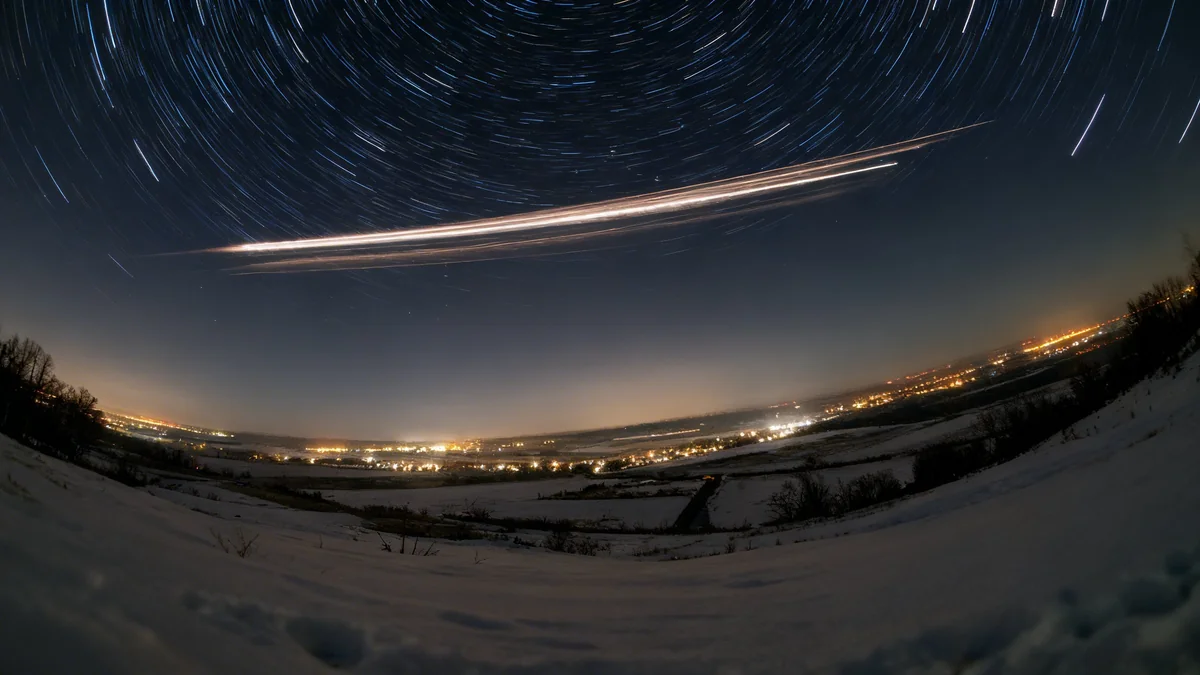
The spacecraft is not being guided; its return is entirely dictated by the forces of gravity and atmospheric drag. As it plunges deeper into the atmosphere at high speed, friction will cause most of its structure to heat up and vaporize.
Spacecraft Details
- Name: Van Allen Probe A
- Launch Date: August 2012
- Mission Deactivated: October 2019
- Weight: 1,323 pounds (600 kilograms)
- Original Orbit: Highly elliptical, reaching up to 18,900 miles from Earth.
Assessing the Risk on the Ground
While the image of a large satellite falling from the sky may cause concern, space agencies have calculated the potential danger to be minimal. NASA has worked to reassure the public about the low probability of any harm.
"NASA expects most of the spacecraft to burn up as it travels through the atmosphere, but some components are expected to survive reentry. The risk of harm coming to anyone on Earth is low — approximately 1 in 4,200."
This low-risk calculation, which equates to a 0.02% chance of injury, is based on several factors. A key consideration is that about 70% of the Earth's surface is covered by water. This makes it overwhelmingly likely that any surviving debris will splash down harmlessly into an ocean, far from populated areas.
Space agencies around the world continuously track thousands of pieces of space debris, and reentries of defunct satellites are a relatively common occurrence. The vast majority of these events go unnoticed by the public.
A Mission That Outperformed Expectations
Van Allen Probe A was one of two identical spacecraft launched in 2012. Originally named the Radiation Belt Storm Probes, their mission was to study the two doughnut-shaped rings of energetic particles that surround our planet, known as the Van Allen radiation belts.
What are the Van Allen Belts?
The Van Allen belts are zones of charged particles, primarily from the solar wind, that are captured and held around Earth by its magnetic field. These belts can swell and shrink in response to solar activity, posing a significant radiation hazard to orbiting satellites and astronauts.
The mission was initially planned to last for only two years. However, the robust design of the probes allowed them to continue collecting valuable scientific data for over seven years. Its twin, Van Allen Probe B, was deactivated in July 2019, a few months before Probe A.
The data gathered by the probes has been crucial for improving our understanding of space weather. Scientists use this information to create better forecasts of solar storms and their potential impact on vital infrastructure, including communication networks, GPS navigation, and power grids on Earth.
Why Is It Falling Now?
Both probes were originally projected to remain in orbit until around 2034. Their early return is a direct consequence of an unexpectedly active sun.
Recent years have seen a rise in solar activity, which heats and expands the upper layers of Earth's atmosphere. This expansion increases the density of the air at the altitudes where satellites orbit, resulting in greater frictional drag on objects passing through it.
This increased drag has acted as a brake on Van Allen Probe A, causing its orbit to decay much faster than mission planners had initially calculated. Its twin, Probe B, is also being affected by these atmospheric changes, though its descent is less advanced. Current estimates suggest Probe B will not reenter the atmosphere before 2030.
The uncontrolled reentry of Van Allen Probe A serves as a reminder of the dynamic environment in low-Earth orbit and the lifecycle of the thousands of objects humans have placed there.