
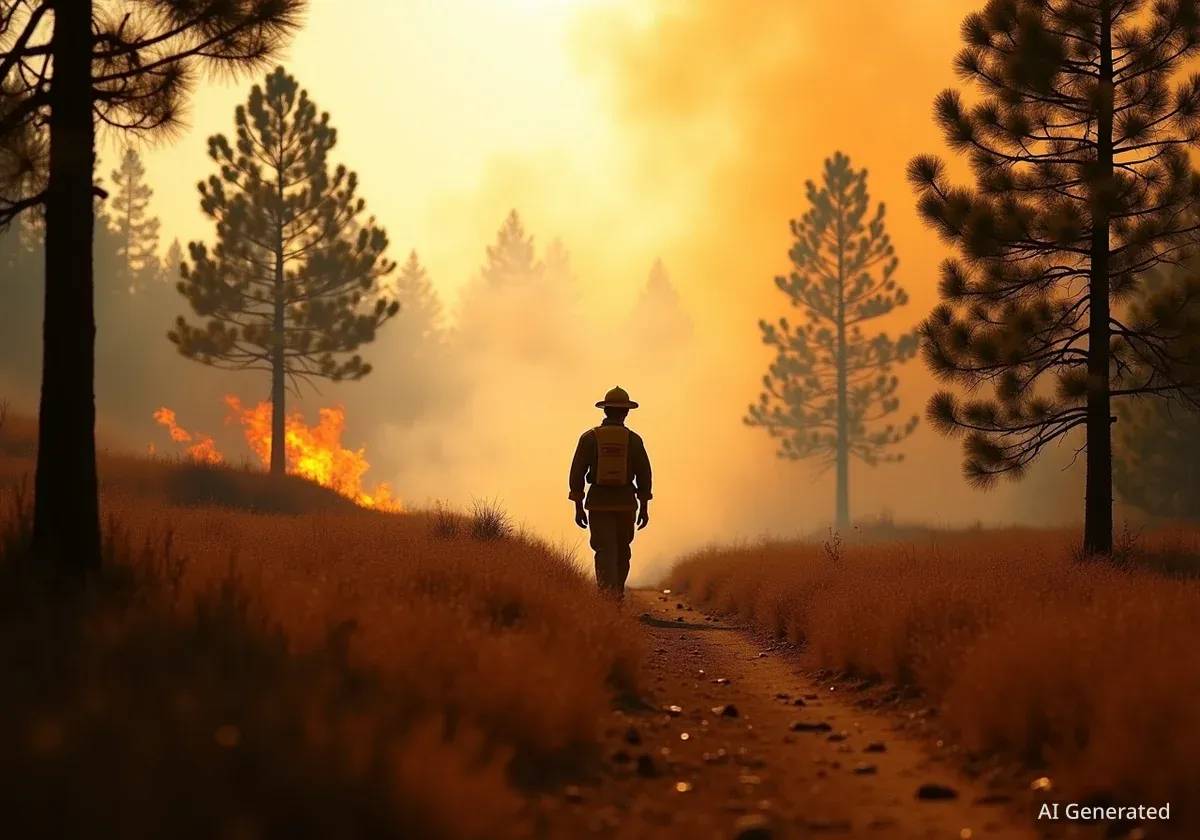

The City of Boulder has announced plans to conduct a series of prescribed burns on city-managed open space this fall and winter. These controlled fires are a key component of the city's strategy to reduce the risk of severe wildfires and enhance the health of local ecosystems. The operations are scheduled to occur between mid-October and mid-November, contingent on favorable weather and resource availability.
The designated burn area is located south of Eldorado Springs Drive and west of Highway 93. Officials have advised the community that smoke may be visible during these periods, but emphasize that the burns are carefully managed events and not emergencies. Residents are urged to refrain from calling 911 to report smoke associated with these planned activities.
Key Takeaways
- The City of Boulder will conduct prescribed burns on open space lands between mid-October and mid-November.
- The primary goals are to reduce wildfire fuel, improve ecosystem health, and control invasive plant species.
- Operations will take place south of Eldorado Springs Drive, and visible smoke is expected in the area.
- These burns are conducted under strict safety protocols by trained fire professionals and are not emergencies.
- The initiative is part of Boulder's comprehensive Wildfire Ready program to increase community resilience.
Understanding Prescribed Fire as a Management Tool
Prescribed burns, also known as controlled burns, are the intentional application of fire to a specific area of land under predetermined conditions. This practice is a critical tool for land managers in regions like Boulder, where natural landscapes interface directly with urban areas, creating what is known as the Wildland-Urban Interface (WUI).
These operations are designed to mimic the natural fire cycles that many ecosystems, including those in Colorado, depend on for regeneration and health. Over decades of fire suppression, many forests and grasslands have accumulated an excess of dry vegetation, which can act as fuel for catastrophic wildfires.
By systematically and safely reintroducing fire to the landscape, officials can achieve specific land management objectives that would be difficult or impossible to accomplish through other means. The process is far more than simply setting a fire; it involves extensive planning, scientific modeling, and on-the-ground execution by experts.
The Science of Fire Ecology
Many ecosystems in the American West are fire-adapted, meaning they have evolved with periodic fires. Species like the Ponderosa pine have thick bark to withstand low-intensity flames, and some plant seeds only germinate after exposure to fire. Controlled burns help restore these natural processes, promoting biodiversity and creating a more resilient landscape that is less susceptible to destructive, high-intensity wildfires.
Strategic Goals of the Controlled Burn Program
The City of Boulder's prescribed burn program is guided by several key objectives aimed at long-term environmental health and community safety. Each burn is planned to maximize these benefits while minimizing risks.
Reducing Wildfire Risk
The most immediate goal is to reduce the threat of dangerous wildfires. The burns systematically remove hazardous fuels from the ground, such as dead leaves, dry grass, and fallen branches. This reduction in fuel load means that if an unplanned wildfire were to start, it would likely be less intense, spread more slowly, and be easier for firefighters to control. This is especially important for communities located near open spaces.
Restoring Ecosystem Health
Fire plays a vital role in maintaining the health of grasslands and forests. Prescribed burns help to clear out dense undergrowth, allowing sunlight to reach the forest floor. This encourages the growth of native grasses and wildflowers, which in turn provides better habitat for wildlife. The ash left behind after a burn also returns essential nutrients to the soil, acting as a natural fertilizer.
Controlling Invasive Plants
Non-native, invasive plant species can outcompete native vegetation, reducing biodiversity and disrupting the natural balance of an ecosystem. Many of these invasive plants are not well-adapted to fire. Controlled burns can be an effective method for managing their spread, giving native species a chance to re-establish and thrive.
Safety Protocols and Public Awareness
The safety of the community and fire personnel is the top priority during any prescribed burn. Each operation is the result of meticulous planning and coordination among various agencies. Burns are only initiated when a strict set of criteria is met.
Strict Weather and Environmental Conditions
Fire managers closely monitor weather conditions before and during a burn. Key factors include:
- Wind Speed and Direction: Winds must be within a specific range to ensure the fire stays within the designated burn unit and that smoke disperses away from sensitive areas like schools and hospitals.
- Temperature and Humidity: Relative humidity must be high enough to prevent the fire from becoming too intense, but low enough to allow for effective burning of fuels.
- Fuel Moisture: The moisture content of the vegetation is measured to predict fire behavior.
If any of these conditions fall outside the prescribed safety window, the burn is postponed. This is why the schedule is often flexible, relying on a 'window' of several weeks.
"Prescribed fire is one of the most effective tools we have to make Boulder’s landscapes more resilient while also reducing the risk of severe wildfires. These burns are conducted with great care and coordination and only under the right conditions."
<
On-Site Management and Monitoring
Every prescribed burn is overseen by firefighters who are specifically trained and certified in wildland fire and prescribed burn operations. Additional personnel and fire engines are staged on-site to manage the fire's perimeter and respond to any unexpected changes. The area is continuously monitored until the fire is completely extinguished.
A Coordinated Effort for Community Resilience
These controlled burns are not isolated events but are part of a larger, city-wide strategy called the Wildfire Ready Initiative. This initiative integrates various projects and plans, including the Community Wildfire Protection Plan (CWPP), to create a more comprehensive approach to wildfire resilience.
The program recognizes that preparing for wildfire involves a multi-faceted approach, from managing public lands to educating homeowners and updating infrastructure. By proactively managing vegetation on open space, the city is taking a crucial step in a broader strategy to protect lives, property, and the natural environment that defines Boulder.
How to Stay Informed
The City of Boulder encourages community members to stay informed about the prescribed burn program. Official updates, including day-of notifications for when burns will actually occur, are available to the public.
Residents can learn more about the program and sign up for notifications by visiting the city's official webpage at bouldercolorado.gov/PrescribedBurn. This resource provides detailed information about burn locations, safety measures, and the ecological benefits of the program.