



The competitive landscape of the tech industry is increasingly being defined by the ambitions of two of its most prominent figures: OpenAI's Sam Altman and SpaceX's Elon Musk. Recent business explorations reveal a rivalry that now extends from artificial intelligence and social media to the final frontier of space exploration.
While Musk has long dominated the private space sector, reports of Altman's interest in rocket technology signal a new dimension to their strategic competition. This escalating rivalry unfolds as both leaders navigate immense internal pressures and opportunities within their respective empires.
Key Takeaways
- OpenAI's Sam Altman recently explored a potential deal with Stoke Space, a direct competitor to Elon Musk’s SpaceX in the reusable rocket sector.
- The rivalry now spans multiple fronts, including brain-computer interfaces and social media platforms, in addition to space technology.
- SpaceX is reportedly planning a share sale that could value the company at an immense $800 billion, underscoring the scale of Musk's industrial power.
- This competition is intensifying while OpenAI is reportedly in a "Code Red" phase, focused on developing its next-generation AI to counter competitors like Google.
A New Frontier in a Growing Rivalry
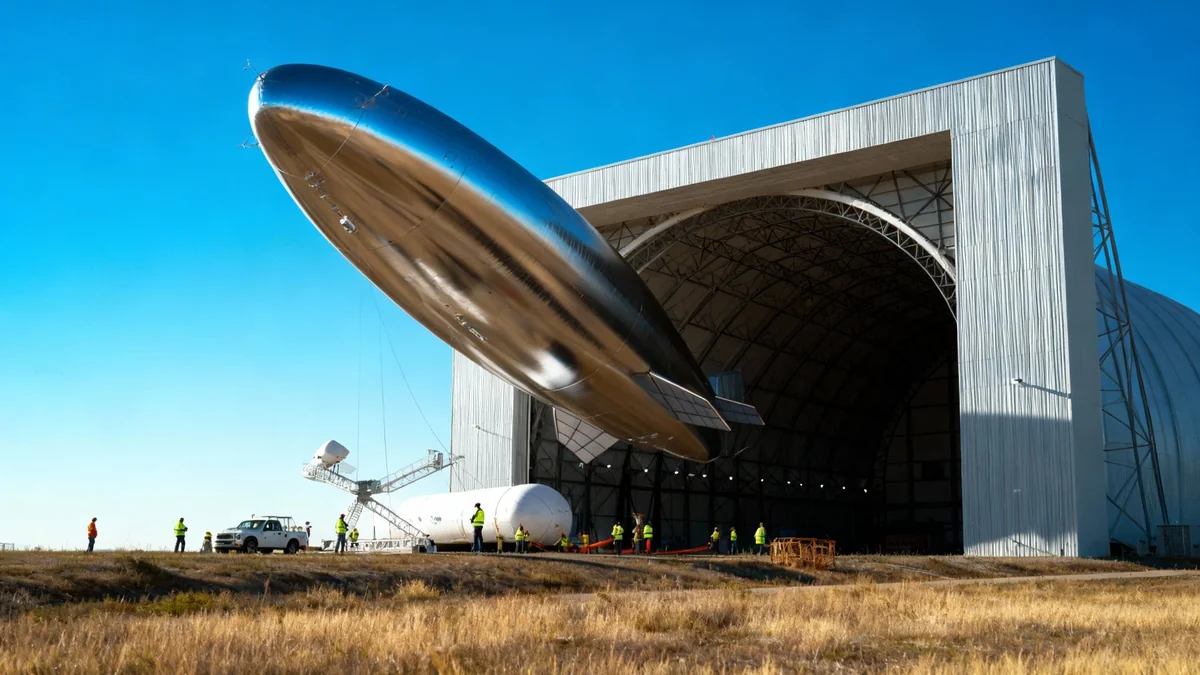
The quiet but intense competition between Sam Altman and Elon Musk has moved into a new arena: aerospace. Altman, CEO of the artificial intelligence powerhouse OpenAI, recently engaged in exploratory talks for a potential deal with Stoke Space. The startup is one of a handful of companies developing fully reusable rockets, a technology pioneered and dominated by Musk’s SpaceX.
While the discussions between OpenAI and Stoke Space are no longer active, the move itself is significant. The official rationale for the interest was to investigate the long-term possibility of establishing data centers in space, a forward-thinking strategy to secure the future of large-scale AI computation. However, the decision to engage a direct SpaceX competitor was widely seen as a strategic move in a broader chess game.
This venture into rocketry is not an isolated incident. The pattern of competition suggests a deliberate expansion of their rivalry into nearly every sector Musk operates in.
A History of Intersecting Paths
Sam Altman and Elon Musk were among the co-founders of OpenAI in 2015, initially established as a non-profit research lab. Musk departed from the organization's board in 2018, citing potential conflicts of interest with his work on AI at Tesla. Since then, their paths have diverged, with OpenAI restructuring into a capped-profit entity and Musk launching his own AI venture, xAI.
Competition Across Multiple Industries
The potential challenge in the space industry is just the latest example of Altman's ventures moving into territory traditionally associated with Musk. This multi-front rivalry highlights the expansive ambitions of both tech leaders.
The Race for the Mind
Earlier this year, Altman invested in a startup focused on developing brain-computer interfaces. This places him in direct competition with Musk’s well-known company, Neuralink, which aims to create high-bandwidth brain-machine interfaces to connect humans and computers.
The Future of Social Platforms
Furthermore, reports indicate OpenAI is developing its own social network. Such a platform would inevitably compete with X (formerly Twitter), which Musk acquired in a high-profile deal. As AI becomes more integrated into how we consume information and interact online, an AI-native social platform could present a formidable challenge to existing networks.
By the Numbers: Musk's Empire
To understand the scale of the challenge, one only needs to look at the valuation of Musk's flagship aerospace company. SpaceX is reportedly preparing for a share sale that could value the company at $800 billion. An Initial Public Offering (IPO) could follow as soon as next year, further cementing its financial dominance in the sector.
Internal Pressures and External Ambitions
Altman's outward expansion into new competitive arenas is happening at a time of significant internal focus at OpenAI. The company is said to be in a "Code Red" period, a term suggesting an all-hands-on-deck effort to accelerate development and counter rising competition, particularly from Google's AI division.
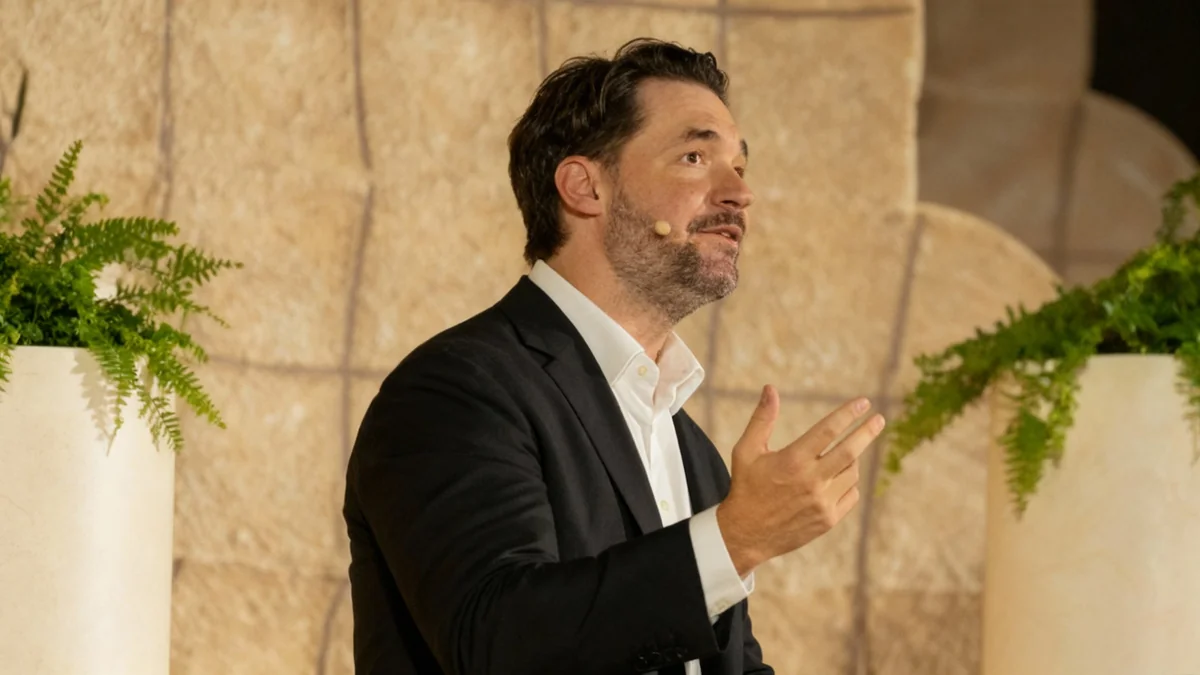
According to Reddit co-founder Alexis Ohanian, such a declaration suggests that Google, long considered a powerful but slow-moving player in AI, has finally been roused into aggressive action, forcing a rapid response from OpenAI.
This internal push is reportedly centered on the development of GPT-5.2, the next iteration of its foundational AI model. The pressure to maintain its lead in the AI race requires immense resources and focus, making Altman's external competitive moves all the more notable. It suggests a dual strategy: defending the company's core AI leadership while simultaneously laying the groundwork to challenge established tech titans in adjacent markets.
The Broader Tech Landscape
The Altman-Musk dynamic is a microcosm of broader shifts in the technology industry. As AI becomes a foundational layer for nearly every sector, the companies that control it are positioned to expand into new verticals with unprecedented speed.
This trend is visible across the industry:
- Meta is reportedly scaling back its metaverse ambitions after incurring losses of approximately $77 billion since 2020, shifting focus to more immediate AI applications.
- Google and Amazon are developing their own AI chips, directly challenging Nvidia's decade-long dominance in the hardware that powers the AI revolution.
- A startup boom is underway in the hypersonic missile sector, as new players race to develop technology for national defense, mirroring the disruption seen in the space launch industry.
In this environment, the rivalry between Sam Altman and Elon Musk is more than a personal or corporate battle. It is a reflection of a new era of technological consolidation and competition, where leadership in one foundational technology like AI can become a launchpad for challenging incumbents in everything from social media to space travel.