


NASA is confronting a persistent liquid hydrogen leak on its Space Launch System (SLS) rocket, a critical issue that threatens the timeline for the upcoming Artemis II mission. The mission, slated to be the first to carry astronauts around the Moon in over 50 years, remains on the launch pad at Kennedy Space Center as engineers work to resolve the problem before another countdown test.
Key Takeaways
- A recurring liquid hydrogen leak has delayed preparations for the Artemis II mission, the first crewed flight of the SLS rocket.
- A recent practice countdown was halted after leak rates exceeded safety limits. A follow-up test encountered a separate issue with a fuel filter.
- NASA Administrator Jared Isaacman has confirmed that the fueling hardware will be completely redesigned for the future Artemis III mission.
- The next launch opportunity for Artemis II begins March 3, putting pressure on teams to resolve the issue promptly.
A Familiar Problem for a New Era
Engineers at Kennedy Space Center are preparing for a second full countdown rehearsal after a hydrogen fuel leak cut the first attempt short on February 2. This issue is not new for the SLS program; similar leaks plagued the launch campaign for the uncrewed Artemis I mission in 2022.
During the recent test, hydrogen gas concentrations around the fueling connection point spiked to over 16 percent, exceeding NASA's established safety limit. While ground teams believed they had mitigated the issue by adjusting loading procedures, the problem has resurfaced, highlighting the technical challenges of the program.
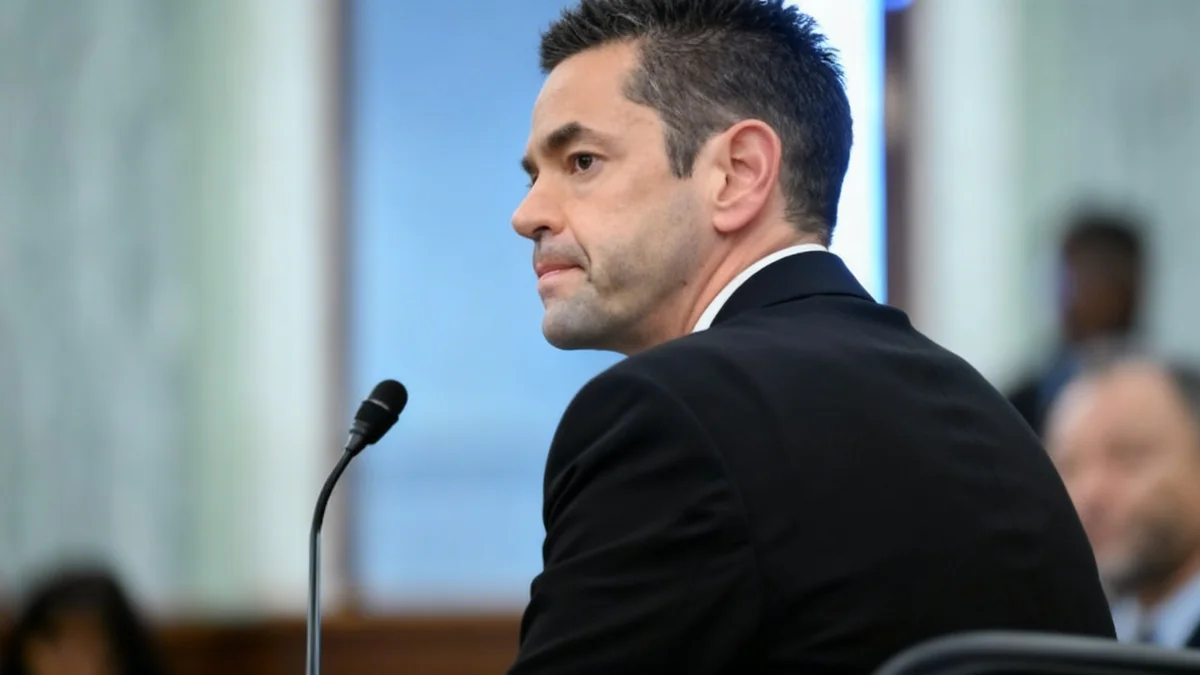
"Considering the issues observed during the lead-up to Artemis I, and the long duration between missions, we should not be surprised there are challenges entering the Artemis II campaign," NASA Administrator Jared Isaacman stated recently. "That does not excuse the situation, but we understand it."
Following the initial test, technicians replaced seals on the fueling lines. However, a subsequent "confidence test" to verify the repair was also stopped prematurely when a new problem emerged—a suspected clogged filter that reduced the flow of fuel into the rocket.
The Technical Challenge of Hydrogen
The source of the recurring leaks has been traced to the ground support equipment that connects to the base of the rocket's massive core stage. Specifically, the issue lies within the Tail Service Mast Umbilicals, or TSMUs, which supply super-chilled liquid hydrogen and liquid oxygen to the vehicle during the countdown.
Why Is Hydrogen So Difficult?
Liquid hydrogen is an incredibly powerful rocket propellant, but it is notoriously difficult to handle. It must be kept at a frigid -423 degrees Fahrenheit (-253 degrees Celsius). At this temperature, materials can become brittle. Furthermore, hydrogen is the smallest molecule in the universe, allowing it to escape through microscopic gaps in seals that other fluids could not penetrate.
The connection involves an 8-inch and a 4-inch line that must maintain a perfect seal under extreme temperatures and high pressures. The extreme cold causes materials to contract and shift, creating opportunities for leaks to develop, particularly during the high-flow "fast fill" stage of fueling.
Despite the early end to the latest test, officials reported progress. "We observed materially lower leak rates compared to prior observations," Isaacman noted, suggesting the new seals were partially successful before the filter issue arose.
Recalibrating Safety and Planning for the Future
Interestingly, the safety parameters for hydrogen leaks have evolved since the last mission. The current safety limit of 16 percent concentration is four times higher than the 4 percent limit used during the Space Shuttle era and for the Artemis I campaign.
By the Numbers: The Cost of Artemis
- Per-Launch Cost: Over $2 billion for each SLS rocket, according to NASA's inspector general.
- Ground Infrastructure: NASA spent nearly $900 million on ground support systems at Kennedy Space Center in 2024 alone.
John Honeycutt, chair of the Artemis II mission management team, explained that the decision to raise the limit was based on extensive testing conducted between the missions. He stated that tests showed hydrogen would not ignite in the specific cavity around the umbilical lines even at 16 percent concentration.
While this adjustment allows for more operational flexibility, the persistent nature of the hardware issue has prompted a commitment to a long-term solution. Administrator Isaacman has been clear that this troubleshooting process will not be repeated for Artemis III, the mission intended to land astronauts on the lunar surface.
"I will say near-conclusively for Artemis III, we will cryoproof the vehicle before it gets to the pad, and the propellant loading interfaces we are troubleshooting will be redesigned," Isaacman declared.
This future plan involves testing the rocket's cryogenic systems before it is moved to the launch pad, a step that is not currently part of the process. The current approach means the first time the fully assembled rocket experiences cryogenic temperatures is during these critical on-pad rehearsals.
The Clock is Ticking
With the filter replacement underway, NASA is aiming to conduct the next full Wet Dress Rehearsal as soon as next week. This test will involve fully loading the SLS with liquid hydrogen and liquid oxygen and running the countdown to just before engine ignition.
The pressure is on, as the next series of launch windows for the nearly 10-day Artemis II mission opens on March 3. If the rocket is not ready to fly during the March opportunities, it will need to be rolled back to the Vehicle Assembly Building. This move would be required to service the rocket's flight termination system, introducing significant further delays to the historic flight.
For now, all eyes are on the ground crews at Kennedy Space Center as they work to ensure the most powerful rocket ever built is ready and safe to carry its four astronauts on their journey around the Moon.