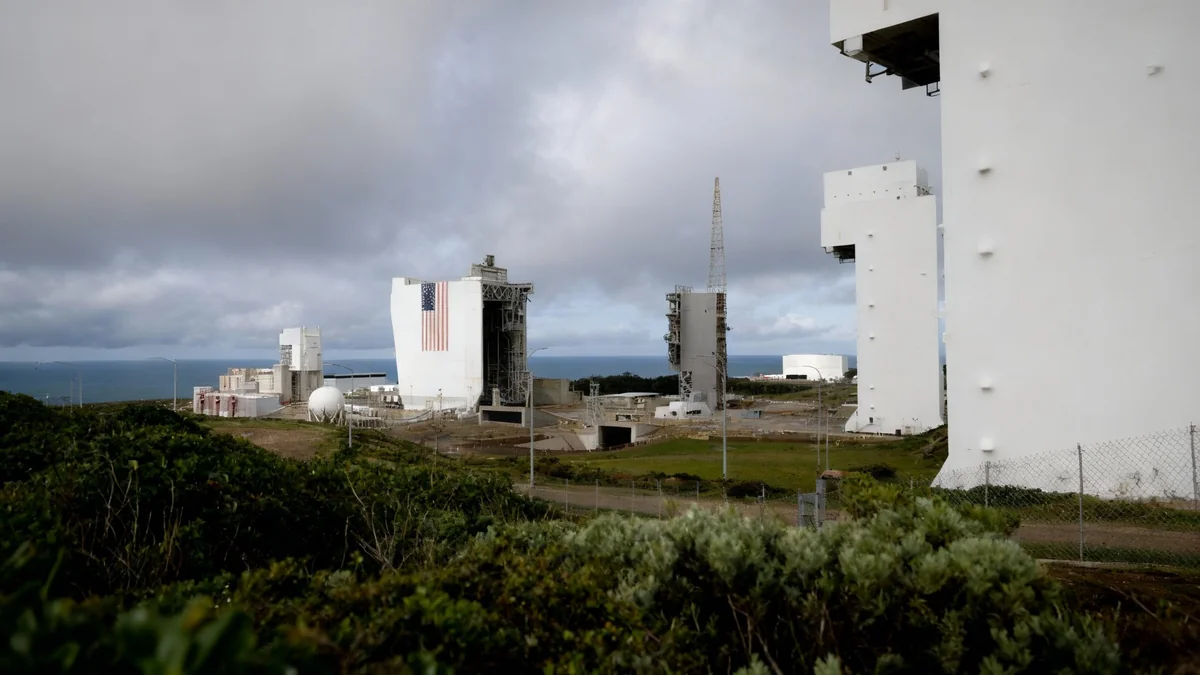
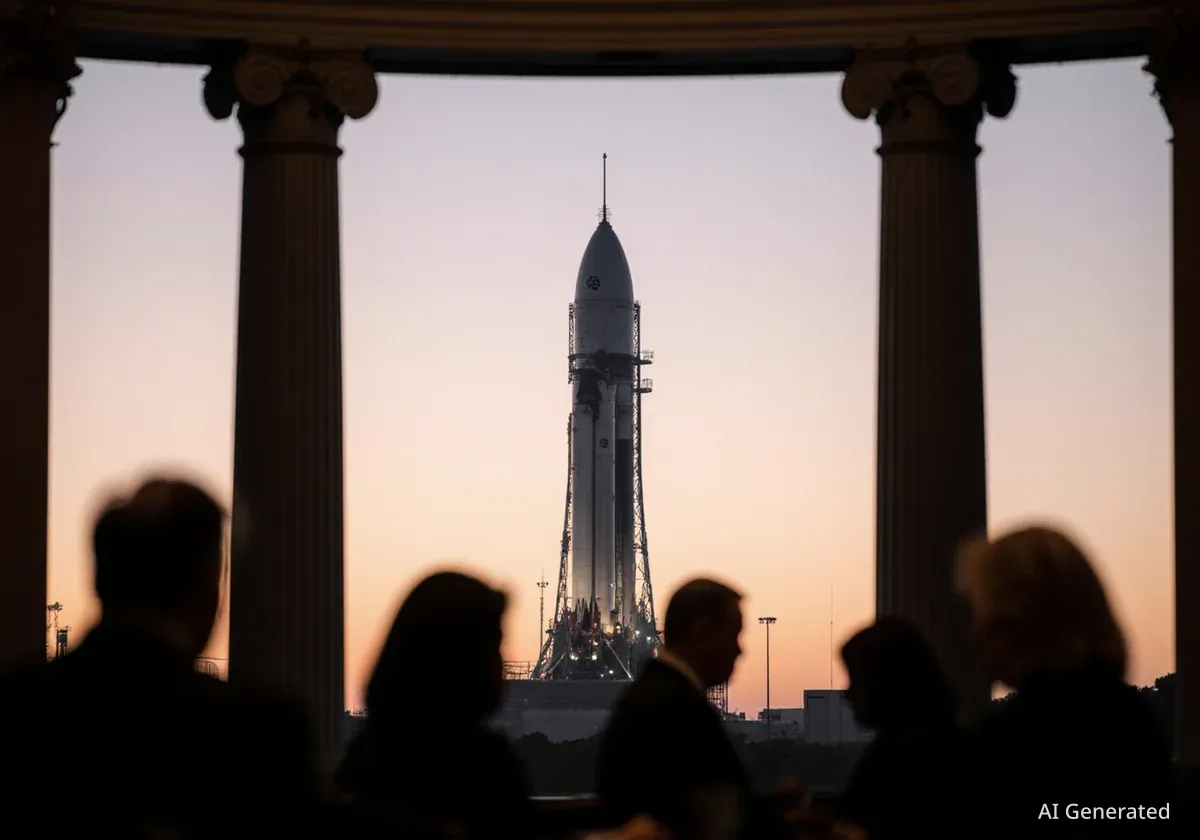
Vandenberg Space Force Base in California is undergoing a major expansion, with plans for more than 100 rocket launches annually and a nearly $900 million infrastructure investment. This surge in activity, driven largely by SpaceX, is creating economic opportunities for the Central Coast but also raising significant environmental and community concerns over sonic booms and wildlife impact.
The rapid increase in launch frequency, from just seven in 2021 to a projected 100 or more this year, positions Vandenberg to become one of the world's busiest spaceports. However, this growth has placed the U.S. Space Force in conflict with local residents, environmental groups, and state regulators who are questioning the pace and consequences of the expansion.
Key Takeaways
- Vandenberg Space Force Base is planning over 100 launches per year, a dramatic increase from 71 last year.
- A $900 million infrastructure overhaul is planned to support the increased launch schedule.
- Frequent sonic booms from launches are impacting communities up to 100 miles away.
- The expansion poses a threat to more than a dozen at-risk species residing on the base.
- Conflicts have arisen with the California Coastal Commission and environmental groups over regulatory authority and environmental protection.
A New Space Race on the California Coast
The landscape of California's Central Coast is being reshaped by a new era of space exploration and national security priorities. Vandenberg Space Force Base, a sprawling nearly 100,000-acre facility, is at the heart of this transformation. Officials are executing a plan called the "Spaceport of the Future," designed to accommodate a dramatic increase in rocket launches.
Last year, 71 rockets launched from the base, the majority operated by SpaceX. This year, that number could surpass 100, reflecting a growing demand for satellite deployment, particularly for national security. U.S. Space Force Col. James Horne III, the base commander, described the current climate as the "beginnings of the second space race."
Launch Cadence Growth
- 2021: 7 launches
- 2025: 71 launches
- 2026 Projection: 100+ launches
This surge is fueled by the military's increasing reliance on commercial space technology. SpaceX's Starlink internet satellite constellation, considered a dual-use technology critical for defense communications, is a primary driver of the increased launch tempo from Vandenberg.
The Community and Environmental Cost
While the expansion promises economic growth for the region, it has not been without consequences for nearby communities and the local environment. Residents in Santa Barbara and Ventura counties, some located more than 100 miles from the launch pads, report intense sonic booms that rattle homes and nerves.
"One time I thought a car hit the house, because it’s that loud," said Mikayla Shocks, a homeowner in Camarillo. These disturbances occur when reusable Falcon 9 rocket boosters return to land, creating powerful sound waves that travel long distances.
The Space Force has acknowledged the unexpected intensity of the booms and has initiated studies to better understand their impact. Kent Gee, a physics professor at Brigham Young University studying the phenomenon, noted that atmospheric conditions, especially upper-level winds in spring and fall, can amplify the sound onshore.
Beyond the noise, the base itself is a critical habitat for numerous at-risk species. The Gaviota Coast Conservancy and other environmental groups have voiced alarm over the effects on wildlife.
"This is the last refuge for a lot of our species," acknowledged Darryl York, a wildlife biologist for the Space Force at Vandenberg.
Studies show that the intense noise and ground vibrations from launches can cause marine mammals like seals to flee into the water, potentially causing injury or colony abandonment. Birds and other land animals are also frequently flushed from their nests and habitats.
Regulatory Hurdles and Jurisdictional Disputes
The rapid pace of development has led to friction between the Space Force and California state agencies. The California Coastal Commission, which regulates land use along the coast, has challenged the federal government's authority over the launches.
In 2024, the commission rejected a plan for SpaceX to conduct up to 50 launches annually. It later denied another request to further increase the launch count and permit flights of the more powerful Falcon Heavy rocket. The commission argues that since many launches serve a commercial purpose—building out Elon Musk's Starlink network—it has jurisdiction over environmental monitoring and mitigation measures.
Federal vs. State Authority
The core of the dispute lies in jurisdiction. The Space Force operates on federal land and argues its missions, including Starlink launches, directly support national security. The California Coastal Commission contends that commercial aspects of these launches fall under state environmental laws, specifically the California Coastal Act.
Space Force officials maintain that all launches from the base contribute to military capability. "Those Starlink launches that we’re launching from here directly contribute to warfighter capability," Col. Horne stated, indicating plans to proceed despite the state's objections.
Environmental groups are urging a more cautious approach. Ana Citrin, legal and policy director for the Gaviota Coast Conservancy, warned against the current strategy. "The approach of just moving forward and doing the evaluations later means that we could have irretrievable loss of wildlife in their habitats," she said.
The Future of Vandenberg: Bigger Rockets, Bigger Impact
The expansion is not limited to increasing the number of Falcon 9 launches. The base has already approved SpaceX to begin launching its Falcon Heavy rocket, which combines three Falcon 9 cores and has three times the number of engines.
More significantly, the Space Force issued an invitation in December for companies to build and operate a "super heavy" launch pad. This move is widely seen as an overture to SpaceX for its Starship, the largest and most powerful rocket ever built. Starship, which is currently being tested in Texas, would be used for next-generation Starlink satellites and NASA's missions to the moon.
The potential arrival of Starship raises further concerns. A rocket with roughly 10 times the thrust of a Falcon 9 would likely produce a significantly larger sonic boom. "A larger boat usually creates a taller wake than a smaller boat," explained physicist Kent Gee, using an analogy to describe the expected increase in sound intensity.
To manage this new operational tempo, Col. Horne said the base is studying major airports and seaports to learn how to handle high volumes of traffic efficiently. Upgrades to rail service and the base's harbor are also planned to streamline the logistics of transporting massive rocket components. This "Spaceport of the Future" initiative signals a long-term commitment to making Vandenberg a central hub in the nation's space and defense strategy, ensuring the debate over its local impact will continue for years to come.