

Blue Origin has announced its next human spaceflight mission, which will carry six passengers to the edge of space aboard its New Shepard vehicle. The flight, scheduled to launch from the company's facility in West Texas, will include a diverse crew of entrepreneurs, scientists, and one passenger whose identity will remain confidential until after the mission is complete.
This mission marks a continuation of Blue Origin's suborbital space tourism operations, which provide customers with a brief journey above Earth's atmosphere. The flight is the first crewed launch for the company in over two months, signaling a return to regular operations for the New Shepard program.
Key Takeaways
- Blue Origin's next New Shepard mission will carry six private astronauts.
- The passenger manifest includes business leaders, a scientist, and one individual who will remain anonymous until after landing.
- The flight is a suborbital journey, reaching an altitude above 100 kilometers (62 miles).
- Passengers will experience several minutes of weightlessness and see the curvature of the Earth.
- This mission follows a more than two-month pause in the company's human spaceflight operations.
Mission Details and Passenger Manifest
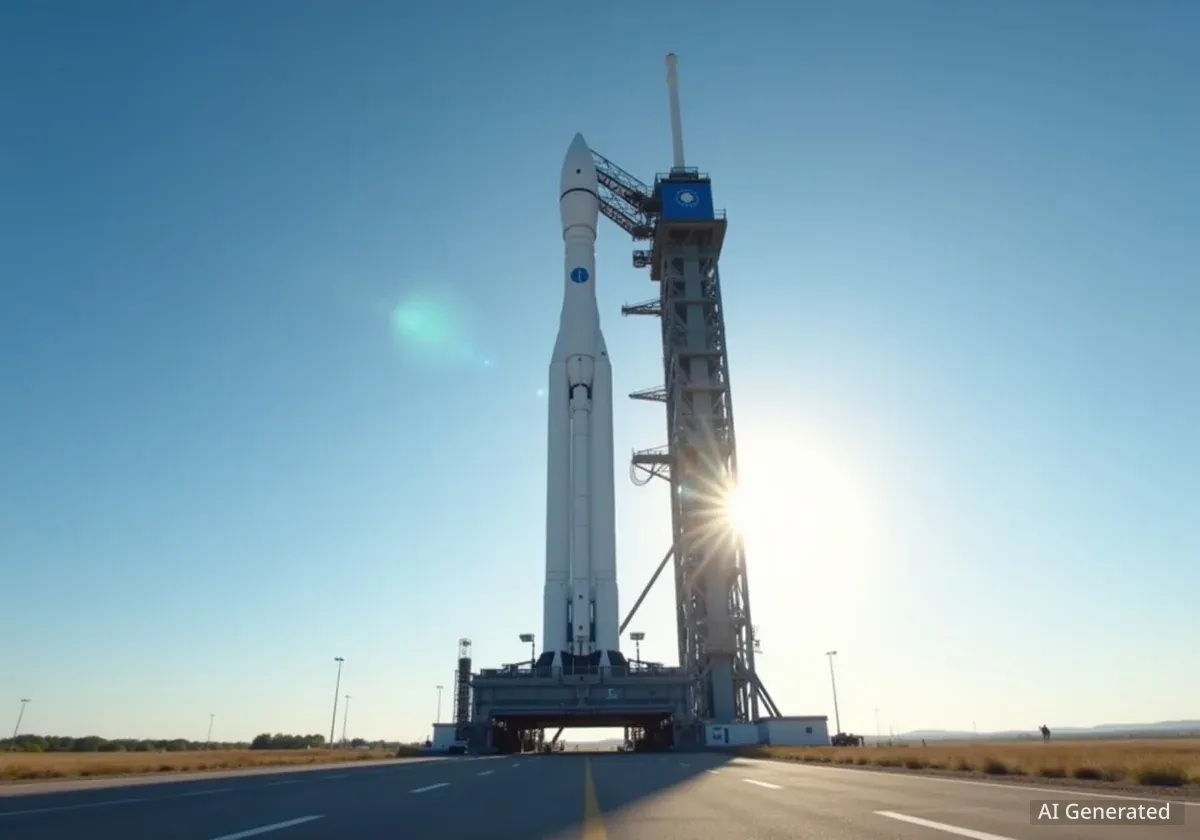
Blue Origin confirmed that the upcoming flight will lift off from its Launch Site One in West Texas. The mission will follow the established flight profile for the New Shepard system, which involves a rocket-powered ascent, capsule separation, and a total flight duration of approximately 11 minutes.
The crew of six includes a mix of individuals from various professional backgrounds. According to the company's announcement, the manifest consists of four business leaders and one scientist. The sixth seat has been purchased by a private individual who has opted for anonymity, a practice occasionally seen in the private spaceflight sector. The identity of this mystery guest is expected to be revealed only after the capsule has safely returned to Earth.
The Suborbital Flight Experience
Passengers aboard the New Shepard capsule will undergo a journey that pushes the boundaries of conventional travel. After a vertical launch, the capsule will separate from its booster and continue its ascent past the Kármán line, the internationally recognized boundary of space at 100 kilometers altitude.
What is the Kármán Line?
The Kármán line is an imaginary boundary 100 kilometers (about 62 miles) above mean sea level. It is commonly used to define the border between Earth's atmosphere and outer space. Crossing this line is a significant milestone for any spaceflight mission and a key objective for space tourism companies like Blue Origin.
Once in space, the crew will have the opportunity to unbuckle from their seats and experience several minutes of weightlessness. The capsule is outfitted with large windows, designed to provide panoramic views of Earth against the blackness of space. This brief but profound experience is a primary draw for customers of suborbital space tourism.
The New Shepard System Explained
The New Shepard is a fully reusable vertical takeoff, vertical landing (VTVL) rocket system designed and manufactured by Blue Origin. The system is comprised of two main components: a pressurized crew capsule and a rocket booster. It is named after Alan Shepard, the first American to fly into space.
The rocket booster propels the capsule towards space before separating and performing an autonomous vertical landing back at the launch site. This reusability is a core component of Blue Origin's strategy to reduce the cost of access to space. Meanwhile, the crew capsule descends under a set of three main parachutes, with a retro-thrust system firing just before touchdown to ensure a soft landing in the Texas desert.
New Shepard by the Numbers
- Total Flight Time: Approximately 11 minutes
- Peak Altitude: Over 100 km (62 miles)
- Crew Capacity: Up to 6 passengers
- Reusability: Both the booster and capsule are designed for reuse.
- Passenger Experience: 3-4 minutes of weightlessness.
To date, the New Shepard program has successfully flown dozens of individuals, including company founder Jeff Bezos, actor William Shatner, and aviator Wally Funk. The program aims to make space more accessible for tourism, scientific research, and educational payloads.
The Growing Market for Space Tourism
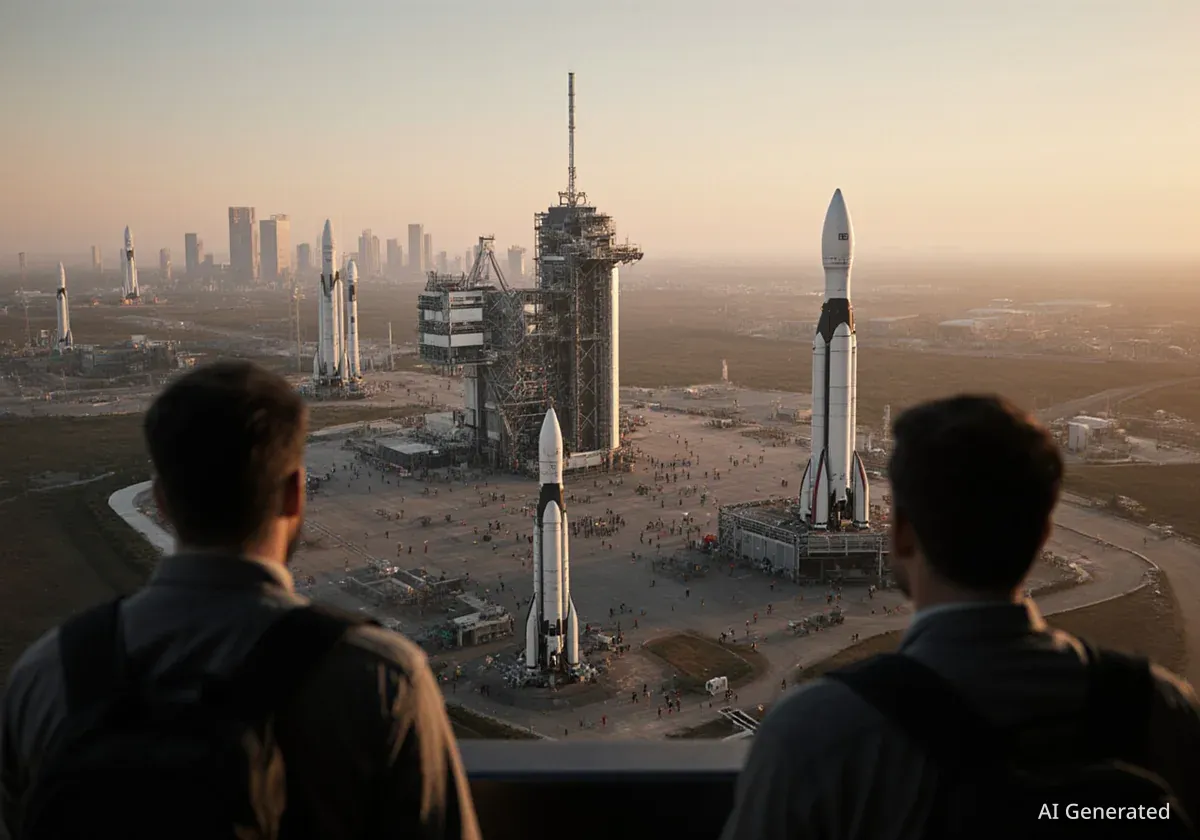
Blue Origin is a key player in the burgeoning commercial spaceflight industry, specifically in the suborbital tourism market. The company competes directly with Virgin Galactic, which offers a different flight experience using a carrier aircraft and a rocket-powered spaceplane.
The business model for these companies relies on selling tickets to high-net-worth individuals who wish to experience spaceflight. While ticket prices are not always publicly disclosed, they are understood to be in the hundreds of thousands of dollars per seat. The inclusion of a mystery passenger on this flight highlights the private nature of these transactions and the desire for privacy among some clients.
Safety and Operations
The safety of its passengers is the highest priority for Blue Origin. The New Shepard capsule is equipped with a launch escape system designed to propel the crew to safety in the event of a booster anomaly at any point during ascent. This system was successfully demonstrated during an uncrewed test flight.
This mission's announcement comes after a temporary halt in crewed flights, a period often used by aerospace companies to conduct vehicle inspections, system upgrades, and thorough reviews of flight data. Resuming human flights indicates the company's confidence in the readiness and reliability of its New Shepard hardware. According to industry analysts, maintaining a regular flight schedule is crucial for building customer trust and establishing a viable business in the competitive space tourism sector.