


The United States Space Force, the nation's newest military branch, is celebrating its sixth anniversary this week. Established on December 20, 2019, the service has spent its formative years building a distinct identity while addressing the growing strategic importance of the space domain for national security and daily life.
Operating as a small, agile force, the Space Force is tasked with protecting U.S. and allied interests in an increasingly contested environment beyond Earth's atmosphere. Its responsibilities are critical to modern military operations and civilian infrastructure, from managing the GPS satellite network to monitoring potential threats in orbit.
Key Takeaways
- The U.S. Space Force (USSF) was established on December 20, 2019, making it the youngest branch of the U.S. military.
- Its primary mission is to secure U.S. interests in space, which includes operating the GPS constellation and missile detection networks.
- The force is intentionally small, with approximately 9,670 uniformed members called "Guardians," to maintain agility.
- The USSF has outlined its strategic approach in a doctrine called "Competitive Endurance," focusing on long-term resilience over short-term dominance in space.
Forging a New Branch
The creation of the Space Force consolidated 23 different units from the U.S. Air Force into a single, independent service organized under the Department of the Air Force. This structure is similar to how the Marine Corps operates within the Department of the Navy. The branch's first Chief of Space Operations was General John W. “Jay” Raymond, an Air Force veteran who was succeeded in 2022 by General B. Chance Saltzman.
The service's motto, Semper Supra or "Always Above," reflects its mission to maintain vigilance in the space domain. In its six years, the Space Force has rapidly established its foundational structures, including the U.S. Space Command, Space Systems Command, and the Space Training and Readiness Command.
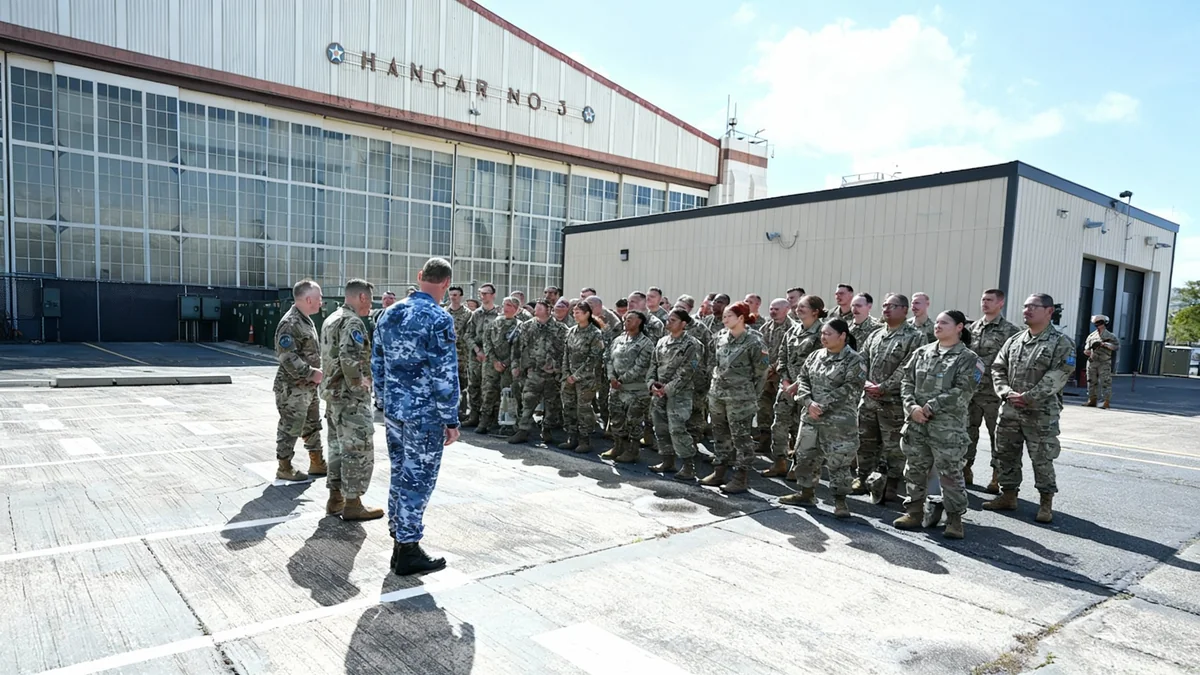
Members of the force, known as Guardians, are undergoing specialized training to develop a shared understanding of space operations. The first consolidated officer training course began last fall at Peterson Space Force Base in Colorado, with its inaugural class graduating in September.
Mission and Modern Responsibilities
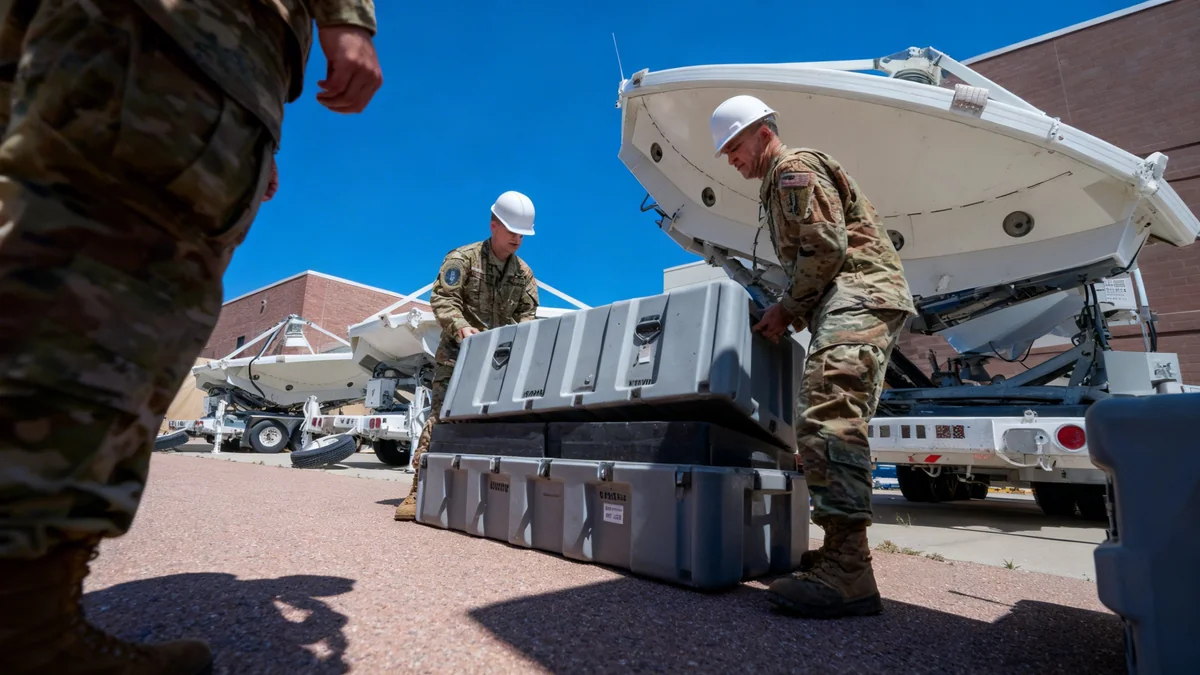
The Space Force's duties extend far beyond theoretical concepts of space warfare. Its Guardians are responsible for tangible, everyday technologies that have global impact. A primary function is the operation and maintenance of the Global Positioning System (GPS) constellation, a network of satellites essential for navigation, timing, and communication worldwide.
Space Force by the Numbers
- Established: December 20, 2019
- Active Personnel: Approximately 9,670 "Guardians"
- Authorized Strength: 9,800 for the current fiscal year
- Satellites in Orbit: Over 7,500 active satellites, with more than two-thirds operated by U.S. owners.
Another critical responsibility is managing missile detection networks, providing early warning of potential ballistic missile launches. The force also tracks thousands of objects in orbit, including active satellites and hazardous "space junk," to prevent collisions that could cripple vital communication and observation systems.
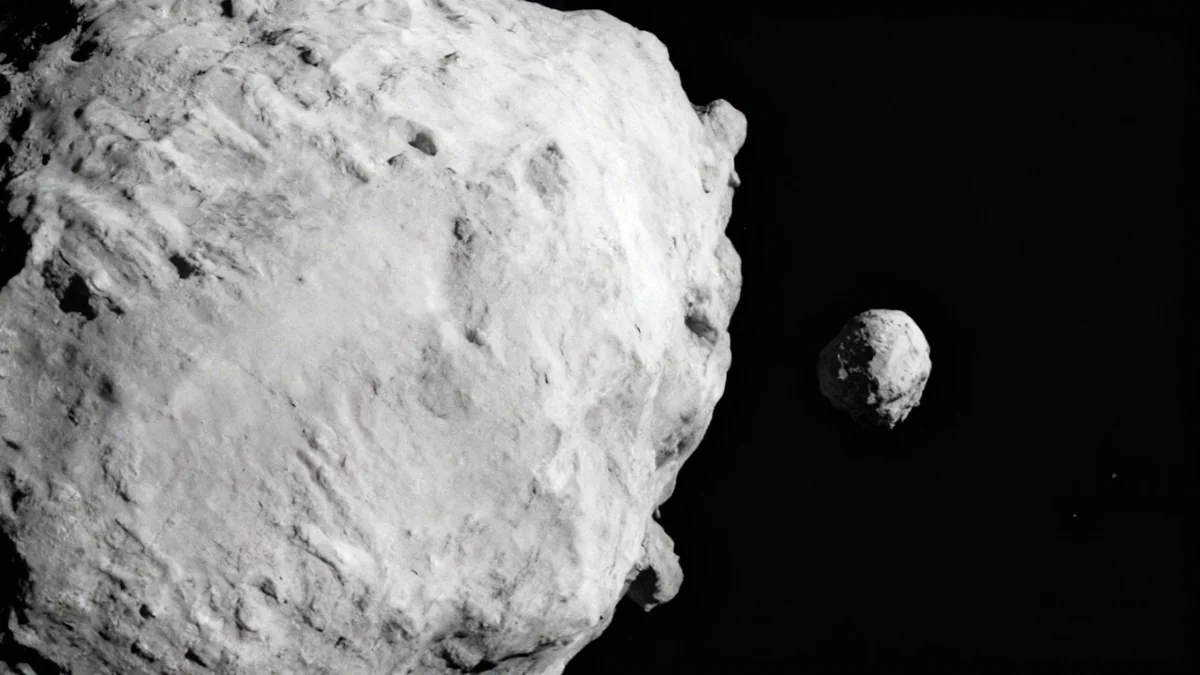
The service works closely with civilian and international partners. Despite being a military branch, the Space Force frequently collaborates with NASA. This partnership includes sharing data on near-earth objects to develop planetary defense strategies and supporting human spaceflight missions. Last year, the first uniformed Guardian completed a six-month mission aboard the International Space Station as part of a NASA SpaceX crew.
A Strategy for a Contested Domain
As space becomes more crowded and competitive, the Space Force has developed a specific strategic doctrine to guide its actions. A 2023 white paper titled "Competitive Endurance: A Proposed Theory of Success for the U.S. Space Force" outlines this approach. The document acknowledges the growing threat posed by the space capabilities of strategic rivals, particularly China.
"The increasingly contested operational environment in space threatens the satellites the Joint Force depends on... our pacing challenge, China, has invested heavily in developing its own military space capabilities."
The concept of Competitive Endurance moves away from seeking temporary dominance. Instead, it emphasizes the ability to outlast and deter adversaries over the long term. This involves building resilient satellite architectures, maintaining credible defensive capabilities, and fostering strong partnerships with allies, industry, and other military services.
The goal is to ensure that potential adversaries conclude that initiating conflict in space would be both ineffective and counterproductive. The strategy aims to prevent conflict from ever beginning, thereby preserving the space environment for all nations.
Historical Context: From Air Force to Space Force
While the Space Force is a new branch, U.S. military involvement in space dates back to the post-World War II era. The Army Air Forces began investing in rocket and satellite technology shortly after the war. In 1985, the Department of Defense established the first U.S. Space Command to coordinate military operations in space. This command was later absorbed into U.S. Strategic Command in 2002 before being reactivated as a distinct combatant command in 2019, working in tandem with the newly formed Space Force.
Building the Force of the Future
As a young service, the Space Force is focused on developing its human capital. Since all of its mid- and senior-level officers began their careers in other branches, creating a unified culture and skill set is a priority. To accelerate this, the service has taken innovative approaches to professional education.
Instead of establishing its own war college like the Army, Navy, and Air Force, the Space Force is partnering with Johns Hopkins University to create a specialized postgraduate school for its officers. This collaboration is designed to provide Guardians with advanced knowledge tailored to the unique challenges of the space domain.
Last month, the service released Space Force Vector 2025, a framework guiding its initiatives for the coming year. In it, General Saltzman emphasized the need for innovation.
"The Space Force must recognize that we cannot take our old structures and processes, rename them, and expect different outcomes. Since we know we need new outcomes, we must invest our time, energy, and effort into developing and optimizing new structures and processes to achieve them."
As it enters its seventh year, the U.S. Space Force continues to define its role in national security. Its focus remains on building a lean, expert-driven service capable of safeguarding critical assets in space and deterring conflict in the final frontier.