


The European Space Agency (ESA) is advancing its Space Safety Programme, a multi-faceted initiative designed to protect Earth from cosmic threats and ensure the long-term viability of space activities. The program addresses natural hazards like asteroids and solar storms, as well as the growing problem of human-made space debris.
With new missions and technologies in development, ESA aims to bolster Europe's ability to detect, predict, and mitigate these dangers. Officials state these efforts are crucial not only for safety but also for securing Europe's leadership in the expanding space economy.
Key Takeaways
- ESA's Space Safety Programme is focused on mitigating threats from asteroids, solar storms, and space debris.
- Upcoming missions include Vigil for early solar storm warnings and Hera for planetary defense against asteroids.
- The "Zero Debris" initiative aims to clean up existing orbital debris and promote sustainable satellite design.
- These safety measures are also intended to foster technological innovation and new economic opportunities for Europe.
Protecting Earth from Cosmic Dangers
Space presents a range of hazards that can have significant consequences for life on Earth and the infrastructure we depend on. From the destructive potential of an asteroid impact to the disruptive force of a major solar storm, the threats are both real and varied.
ESA's planetary defense efforts are a core component of its safety strategy. The agency is working to improve its ability to detect and track near-Earth asteroids. This involves developing more accurate prediction models to understand their orbits and potential impact risks.
Preparing a Response to Asteroid Threats
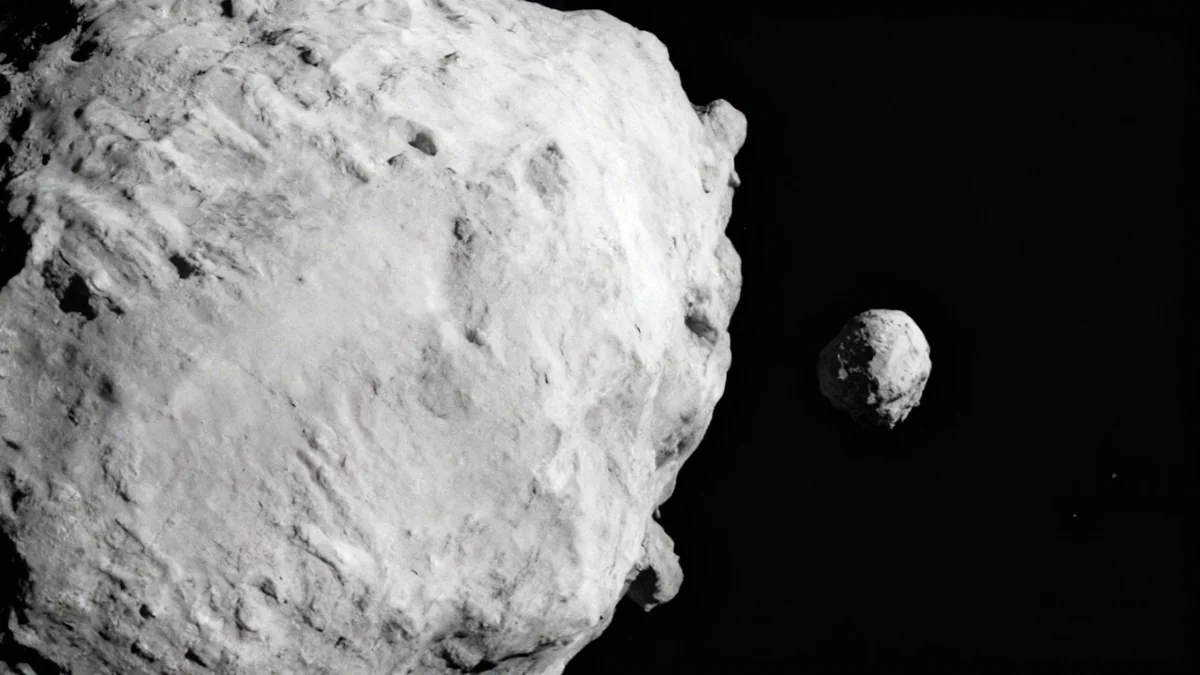
Beyond detection, ESA is actively developing methods to respond to a potential asteroid threat. Missions like Hera are designed to test asteroid deflection techniques, building on the knowledge gained from international collaborations. This research is critical for creating a viable planetary defense system should an asteroid be found on a collision course with Earth.
Another mission, Ramses, is also part of this effort, contributing to the development of Europe's capacity to intercept and interact with asteroids, making planetary defense a tangible reality rather than a theoretical concept.
What is a Solar Storm?
Solar storms are powerful bursts of radiation and energy from the Sun. When directed at Earth, they can disrupt satellites, power grids, and communication systems. Severe storms have the potential to cause widespread blackouts and damage critical infrastructure, making early warning systems essential.
The Vigil Mission: An Early Warning System
To counter the threat of solar weather, ESA is developing the Vigil mission. This spacecraft will be positioned at a unique point in deep space, allowing it to monitor the Sun's activity from a side-on vantage point. This placement will provide crucial advance warning of potentially hazardous solar storms heading toward Earth.
These early warnings are vital. They will give satellite operators, power grid managers, and government agencies time to take protective measures, such as powering down sensitive equipment or rerouting air traffic, to mitigate the storm's impact.
“While ESA’s Space Safety activities help to keep us safe, its activities also help secure Europe’s position at the forefront of exciting new markets and space technologies,” said Holger Krag, Head of Space Safety at ESA.
Cleaning Up Earth's Orbit
The space around our planet is becoming increasingly crowded. Decades of launches have left behind a cloud of debris, from defunct satellites to tiny fragments of metal, all traveling at high speeds. This orbital junk poses a serious collision risk to active satellites and future space missions.
The Zero Debris Approach
ESA is tackling this problem through its Zero Debris initiative. This strategy has two main goals: preventing the creation of new debris and actively removing existing pieces.
- Sustainable Satellites: The program encourages the design of future satellites that can be safely de-orbited at the end of their lifespan, preventing them from becoming more junk.
- Active Debris Removal: ESA is pioneering missions for active debris removal and in-orbit servicing. These technologies could one day lead to a circular economy in space, where old satellites are repaired, refueled, or recycled.
The Orbital Debris Problem
There are millions of pieces of debris orbiting Earth. Even a small fragment, traveling at orbital velocities of thousands of miles per hour, can cause catastrophic damage to a satellite or spacecraft. This makes collision avoidance a top priority for all satellite operators.
Fostering a Sustainable Future in Space
ESA's commitment to space safety extends beyond individual missions. The agency is developing practical tools to help satellite operators navigate the congested orbital environment. The CREAM (Collision Risk Estimation and Automated Mitigation) platform is one such tool, providing automated collision avoidance support.
By monitoring the space environment and developing new technologies, ESA is not just protecting current assets but also laying the groundwork for a sustainable future. As Holger Krag noted, ensuring safety in Earth's orbit is a prerequisite for future space activities.
At the upcoming 2025 Ministerial Conference, the Space Safety Programme will propose new activities to further enhance Europe's capabilities. These initiatives aim to ensure independent access to critical data and services, a key goal in the current geopolitical landscape, and to solidify Europe's role as a leader in responsible space exploration and utilization.