


A large black bear, estimated to weigh 550 pounds, continues to seek shelter in residential homes in Altadena, California, after being removed from its initial den beneath a house last month. The bear has since been tracked to at least two other properties, creating a mix of concern and acceptance among local residents.
The situation highlights the ongoing challenges of human-wildlife interaction in communities bordering natural habitats. Wildlife officials are now urging homeowners to take immediate preventative measures.
Key Takeaways
- A 550-pound black bear was recently removed from under a home in Altadena.
- The bear has since been located at two other nearby residences.
- One homeowner welcomed the bear, while another took steps to have it leave.
- The California Department of Fish and Wildlife is advising residents to secure crawlspaces and remove food attractants.
The Initial Discovery
The saga began last month when Altadena resident Ken Johnson discovered the massive animal had been living in the crawlspace beneath his home for over a month. Johnson, 63, described the sounds made by the bear as similar to a dragon, an experience that left him understandably frightened.
The bear's presence was not just a matter of noise. At one point, the animal damaged a gas line, forcing Johnson to shut off the gas to his home for safety reasons. This incident prompted the eventual removal of the bear from the property.
A Bear on the Move
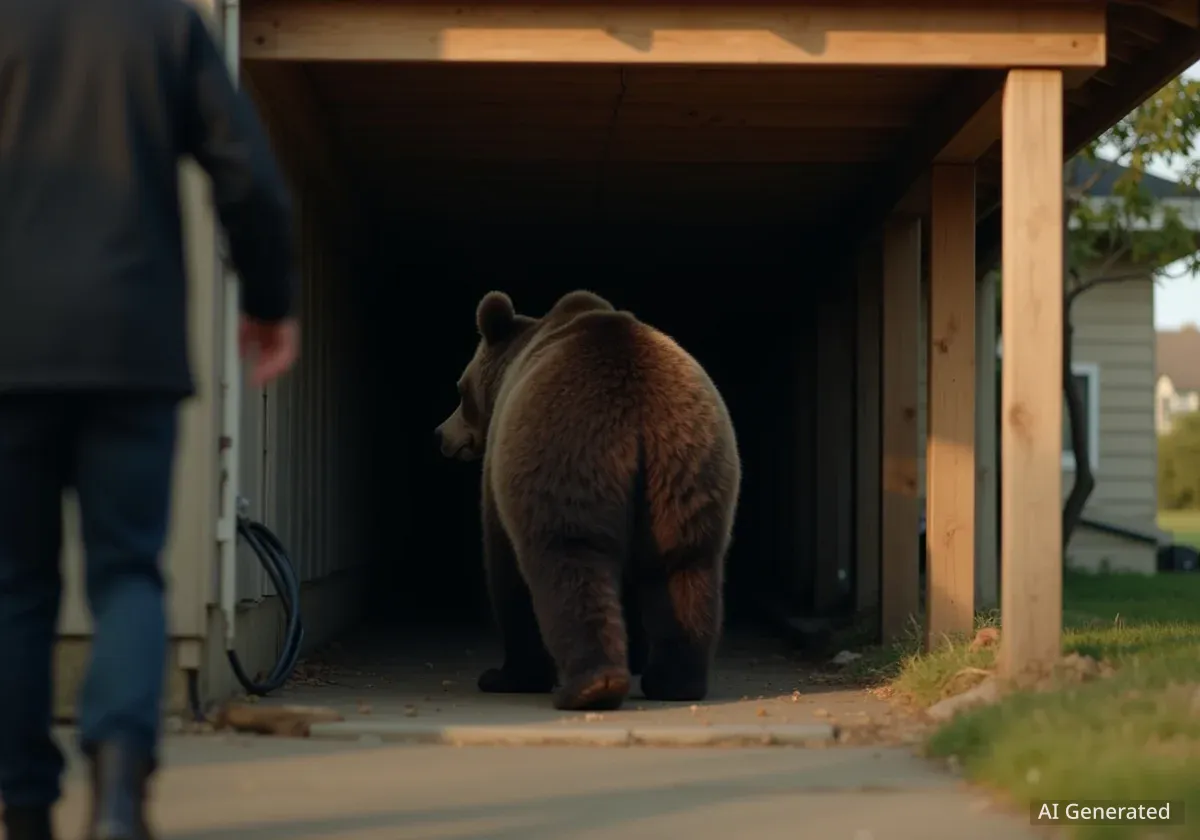
Following its departure from Johnson's residence, the bear did not travel far. According to Ann Bryant, executive director of the BEAR League, a nonprofit animal protection group, the bear quickly found a new crawlspace at a nearby home.
"Once the bear was removed from Johnson's home, it went to the crawlspace of another home in the Southern California community," Bryant explained. She noted that the bear had spent time at this second location in the past and was welcomed by the homeowner.
The bear stayed at this second residence for a single day before moving on. The homeowner reportedly had no issue with the animal's presence and did not request its removal, illustrating a different perspective on coexisting with local wildlife.
An Unwelcome Visitor
The bear’s journey then took it to a third home. The owner of this property, who wished to remain anonymous, was not comfortable with the large animal residing underneath their house. They contacted the BEAR League for assistance in encouraging the animal to leave.
Bryant stated that her organization helped the third homeowner deploy non-harmful deterrents. "We helped put out electrical mats to spook the bear and coax it to leave," she said. These mats deliver a mild, unpleasant shock that is designed to frighten animals away without causing injury.
The strategy proved successful. After a three-day stay, the bear left the third residence on Sunday night around 9:30 p.m. Its current whereabouts are unknown.
Understanding Bear Behavior
Black bears often seek out dark, enclosed spaces like crawlspaces or areas under decks for shelter, especially during seasons when they are less active. These spaces provide protection from the elements and potential threats, mimicking natural dens.
Official Guidance for Residents
The California Department of Fish and Wildlife (CDFW) has issued strong recommendations for residents in the area. The department confirmed it had not received direct reports of these specific incidents but emphasized the importance of proactive measures in communities close to wildlife habitats.
"We are strongly encouraging residents to check that access points to their crawlspaces are secured, and if they are not, to secure them," the department said in a statement. "Since this area is so close to wildlife habitat, bear encounters are expected."
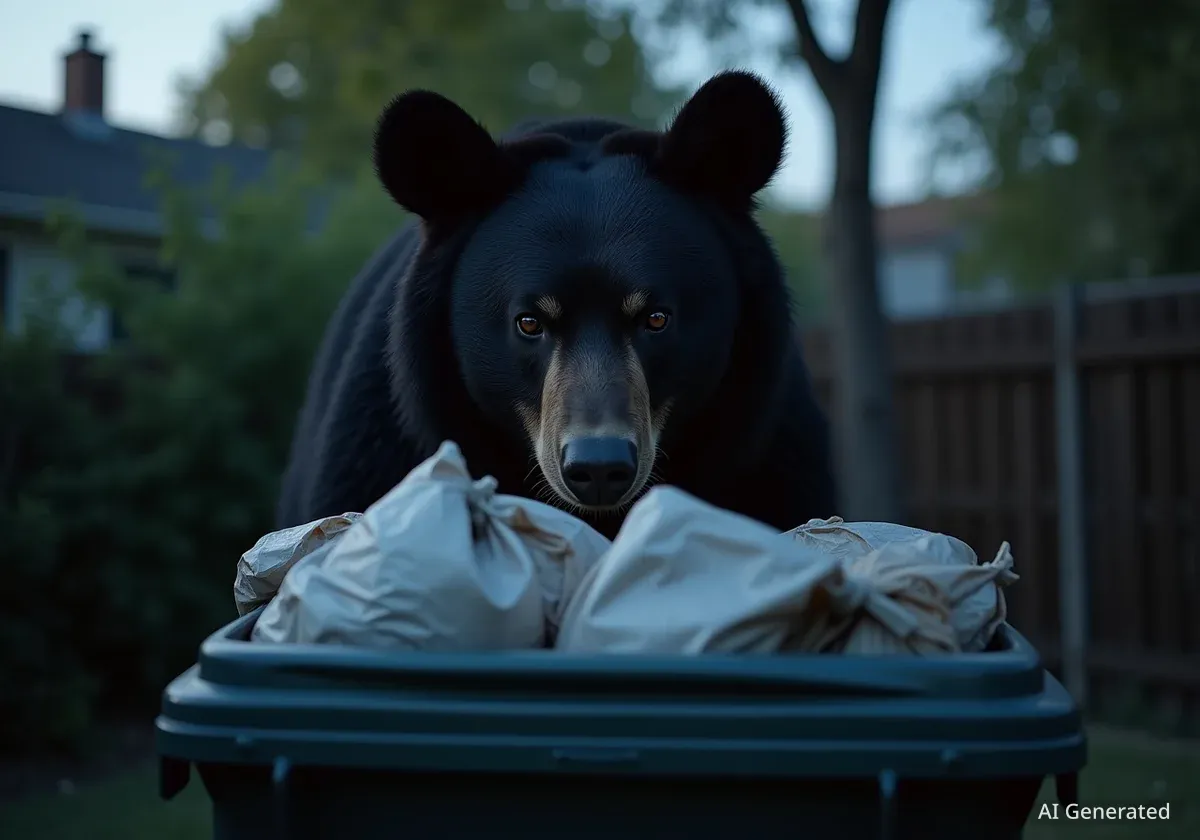
Officials stress that the most effective way to prevent these encounters is to manage things that attract bears in the first place. This includes securing garbage cans, removing pet food left outdoors, and keeping barbecue grills clean.
A bear's sense of smell is exceptionally powerful. According to wildlife experts, a bear can detect food from up to 5 miles away, making proper storage of garbage and other attractants essential for preventing unwanted visits.
Safety During an Encounter
While black bears generally try to avoid humans, encounters can happen. The CDFW provides clear safety guidelines for such situations:
- Never corner a bear: Always ensure the animal has a clear escape route.
- Make yourself look large: Stand tall and wave your arms to appear more intimidating.
- Make noise: Yell, clap your hands, or use other noisemakers to scare the bear away.
- Back away slowly: Do not run, as this can trigger a chase response. Move slowly toward a building or vehicle for safety.
This incident in Altadena serves as a potent reminder for suburban communities that border wildlands. As human development expands, interactions with wildlife like this 550-pound black bear may become more frequent, requiring residents to adapt and take precautions to ensure safety for both themselves and the animals.