


As temperatures drop below freezing across Iowa, fire departments are issuing critical safety warnings about the use of portable space heaters. Officials are urging residents to follow strict guidelines to prevent house fires during the cold winter months.
In Sioux City, fire rescue authorities have highlighted the dangers of improper heater use, connecting it to a significant risk of property damage and personal injury. The guidance comes after several recent incidents have underscored the potential hazards of supplemental heating devices and other common winter comforts like candles.
Key Takeaways
- Fire officials advise against leaving space heaters running unattended, especially overnight while sleeping.
- A minimum three-foot clearance should be maintained around all portable heating devices to prevent contact with flammable materials.
- Dust accumulation on heaters and furnaces can trigger smoke alarms upon first use for the season, which serves as a reminder to check detector batteries.
- Unattended candles are another major fire hazard, with recent local fires attributed to them.
The Dangers of Unattended Heaters
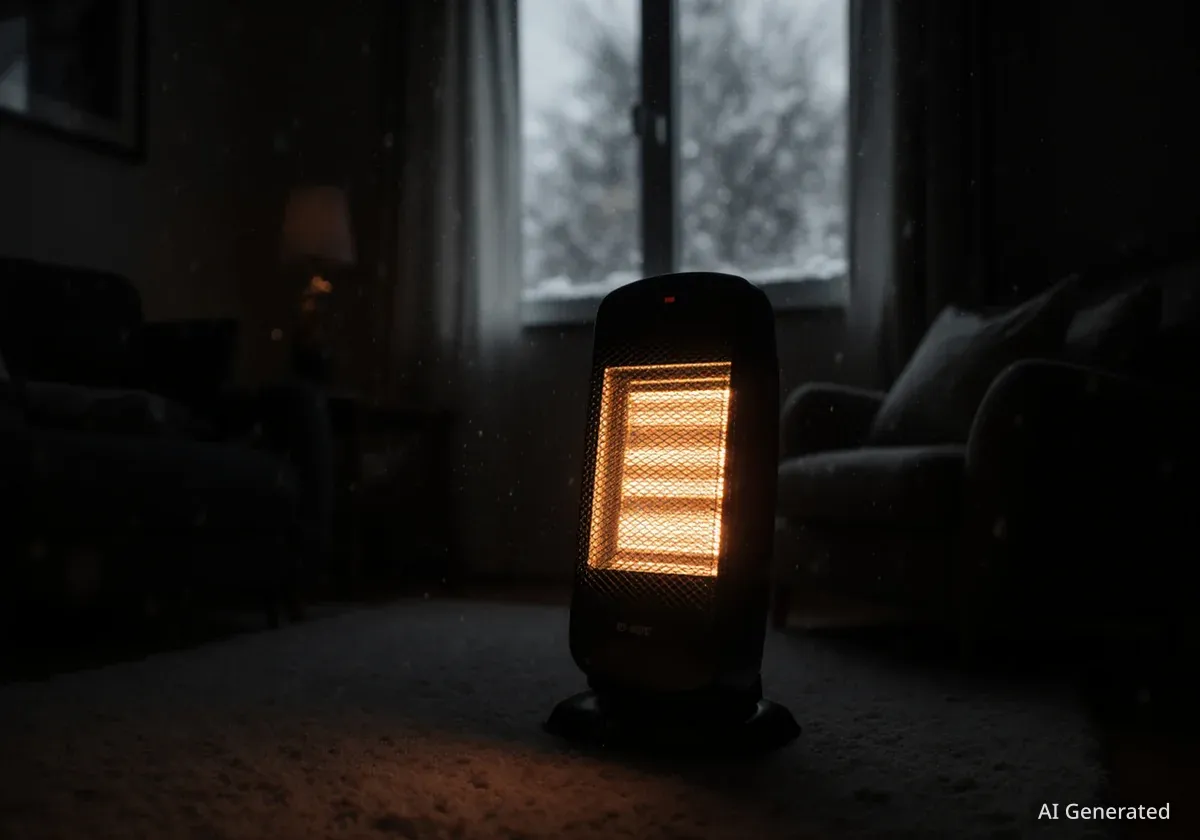
With the first deep chills of the season arriving, many Iowans are turning to space heaters for extra warmth. However, these convenient appliances carry substantial risks if not used correctly. Lieutenant John Nelsen of Sioux City Fire Rescue emphasized the importance of constant supervision.
"We definitely don’t recommend you leaving on the space heater, especially when you’re sleeping," Nelsen stated. He explained that the devices should be turned off whenever a room is unoccupied.
"We encourage you to shut them off when you leave a room if you’re the last one in the room. You never know if you have a pet in there that could knock a blanket or something closer to the space heater that could potentially cause it to start a fire."
The risk posed by pets or even accidental bumps is a primary concern for fire safety experts. A displaced blanket, a fallen curtain, or a stack of papers can quickly ignite if they come into contact with a hot heating element.
Creating a Safe Heating Zone
To mitigate the risk of fire, officials stress the importance of creating a clear, safe zone around any portable heater. This simple practice is one of the most effective ways to prevent accidents.
The Three-Foot Rule
Lieutenant Nelsen advises residents to follow a straightforward guideline: maintain at least a three-foot ring of clearance around the device. This means keeping all combustible materials well away from the heater.
Common household items that pose a fire risk include:
- Newspapers and magazines
- Blankets and bedding
- Curtains and furniture
- Clothing and rugs
- Cardboard boxes and other flammable materials
Placing a heater on a stable, flat, and non-flammable surface is also critical. Heaters should never be placed on carpets, furniture, or uneven surfaces where they could easily tip over. Modern heaters often include an automatic shut-off feature for tip-overs, but relying solely on this mechanism is not recommended.
National Fire Statistics
According to the National Fire Protection Association (NFPA), heating equipment is a leading cause of home fires in the United States. Space heaters are the type of equipment most often responsible for home heating fires, accounting for more than two in five of these incidents and the vast majority of associated deaths and injuries.
Seasonal Maintenance and Alarm Checks
The start of the heating season brings another common occurrence that can alarm homeowners: the smell of burning dust. When a furnace or space heater is turned on for the first time after months of storage, accumulated dust on the heating elements can burn off, sometimes triggering smoke detectors.
"Especially in the winter time, we start using those space heaters that have been stored all year, start kicking on furnaces," Nelsen explained. "We’re going to have our smoke detectors start chirping just because from the dust that’s accumulated on those appliances."
While often harmless, this event should serve as a crucial reminder for every household to perform safety checks. It is the perfect time to test all smoke and carbon monoxide detectors and replace their batteries if necessary. A functioning alarm is the first line of defense, providing early warning in the event of a real fire.
Choosing a Safer Heater
When purchasing a new space heater, look for models that have been tested and certified by a nationally recognized testing laboratory like UL (Underwriters Laboratories). Key safety features to look for include an automatic shut-off function for both tip-overs and overheating, as well as a sturdy, well-insulated casing that remains cool to the touch.
Beyond Heaters: The Hidden Danger of Candles
While space heaters are a primary focus of winter fire safety, officials are also warning about other seasonal hazards. Lieutenant Nelsen pointed out that unattended candles have been the cause of recent fires in Sioux City.
The cozy ambiance of a lit candle can quickly turn dangerous. It is essential to extinguish all candles before leaving a room or going to sleep. They should always be placed on a stable, heat-resistant surface away from flammable items like curtains, books, and decorations.
As Iowans settle in for the colder months, a proactive approach to home safety is essential. By following expert advice—keeping heaters clear, turning them off when not in use, checking alarms, and being cautious with open flames—residents can ensure their homes remain both warm and safe throughout the winter season.