


The United States Space Force is preparing for a future of contested space operations, outlining plans to potentially double its personnel within the next decade and extend its strategic focus to the region between Earth and the moon. In a recent discussion on the service's long-term vision, senior leadership detailed a strategic shift towards greater "space superiority," including developing offensive capabilities to counter adversaries.
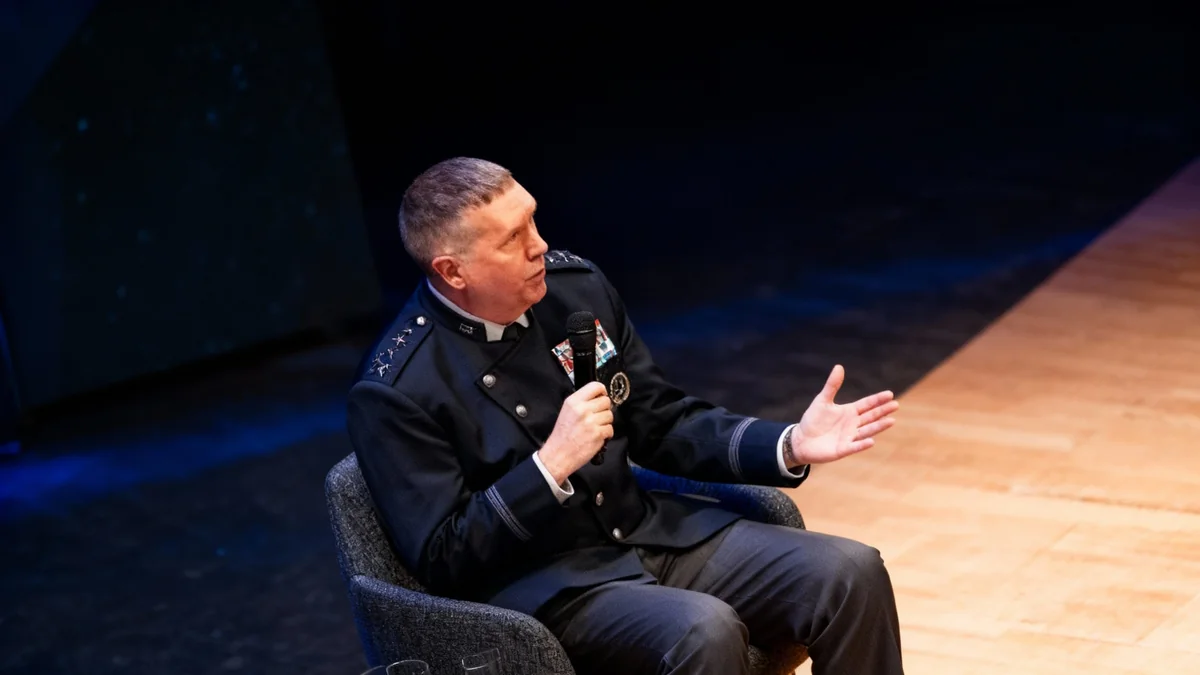
Gen. Shawn Bratton, the vice chief of space operations, confirmed that the military's youngest branch is undertaking a comprehensive planning initiative, known as the Objective Force study, to define its role and capabilities through 2040. This forward-looking assessment moves beyond traditional budget cycles to address the demands of a rapidly evolving and increasingly competitive space domain.
Key Takeaways
- The Space Force may double its personnel from approximately 15,000 to 30,000 within the next five to ten years to meet growing demands.
- Strategic planning now includes cislunar space—the area between Earth and the moon—as a region of national security interest.
- Future operations will emphasize "space superiority," which includes developing offensive capabilities to deny adversaries advantages gained from space.
- Leadership remains skeptical about the immediate military benefits of in-orbit satellite refueling, citing a lack of proven advantage in conflict scenarios.
A Strategic Blueprint for 2040
The Space Force is actively mapping out its future through the Objective Force study, an internal review designed to determine the service's structure and needs over the next 15 years. This effort, led by the Space Warfighting Analysis Center, prioritizes future mission requirements over specific programs or technologies.
Instead of calculating the number of satellites needed, the study focuses on what capabilities will be essential for sustained operations in a contested environment. Gen. Bratton explained that core missions like missile warning, satellite communications, and precision navigation will continue, but how they are executed will change dramatically.
"We’ll be doing a lot more space superiority activities than we are today," Bratton stated, signaling a significant evolution from the service's current posture.
The goal is to ensure that critical space-based services are resilient and defensible against potential attacks, a fundamental shift from the relatively benign environment of past decades.
Expanding the Operational Horizon to Cislunar Space
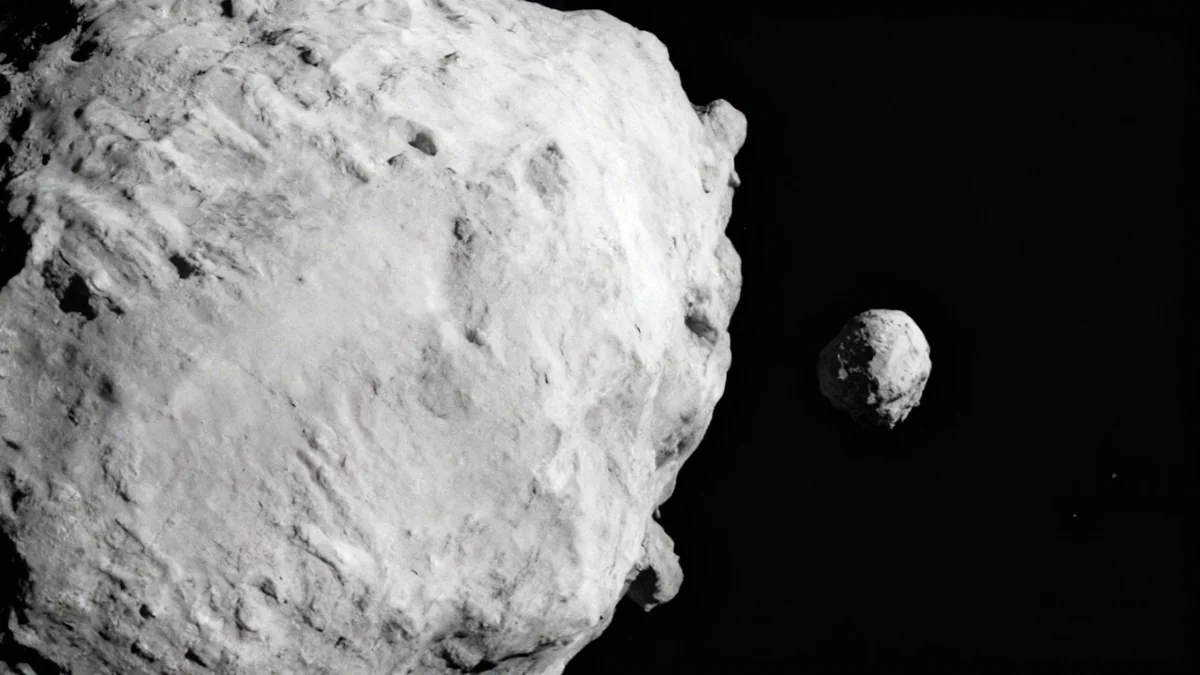
A key area of expansion for the Space Force is the vast expanse of cislunar space. As commercial companies and international rivals increase their activities around the moon, this region is gaining strategic importance for national security.
Military planners are considering how operations in this area could impact missile warning systems, space domain awareness, and the protection of high-value satellites operating far from Earth. Monitoring and defending assets in such a large volume of space presents new and complex challenges.
What is Cislunar Space?
Cislunar space generally refers to the region of space under the gravitational influence of both the Earth and the Moon. It extends from geosynchronous orbit (about 36,000 km from Earth) out to and including the Moon's orbit. It is seen as a strategic 'high ground' for future space activities.
"I need to be able to command and control spacecraft beyond the moon," Bratton said, highlighting a capability he sees as necessary within the service's 15-year planning horizon. While there are no immediate plans to deploy military personnel in space, he did not dismiss the long-term possibility, noting, "It would be tragic if that didn’t happen someday."
The Debate on Dynamic Operations and Refueling
Another concept shaping the Space Force's future is a move towards "dynamic space operations." This strategy aims to shift away from predictable satellite orbits, which make spacecraft easy to track and target. Instead, the focus will be on maneuverability, allowing satellites to reposition in response to threats.
However, a key enabler for this concept—in-orbit satellite refueling—remains a subject of internal debate. While proponents argue refueling could extend satellite lifespans and enable more frequent maneuvers, Gen. Bratton expressed skepticism about its tactical value in a conflict.
"It may save me a lot of money, and that may be the reason to do it," he acknowledged. However, he contrasted it with aerial refueling for aircraft, noting that satellites remain in orbit regardless of fuel status. He added that wargaming scenarios have not yet demonstrated a clear military advantage.
"I have not seen in wargaming the military advantage during conflict that refueling brings to space," Bratton said, also pointing out that the required infrastructure could create new vulnerabilities.
A Larger Force with a Sharper Edge
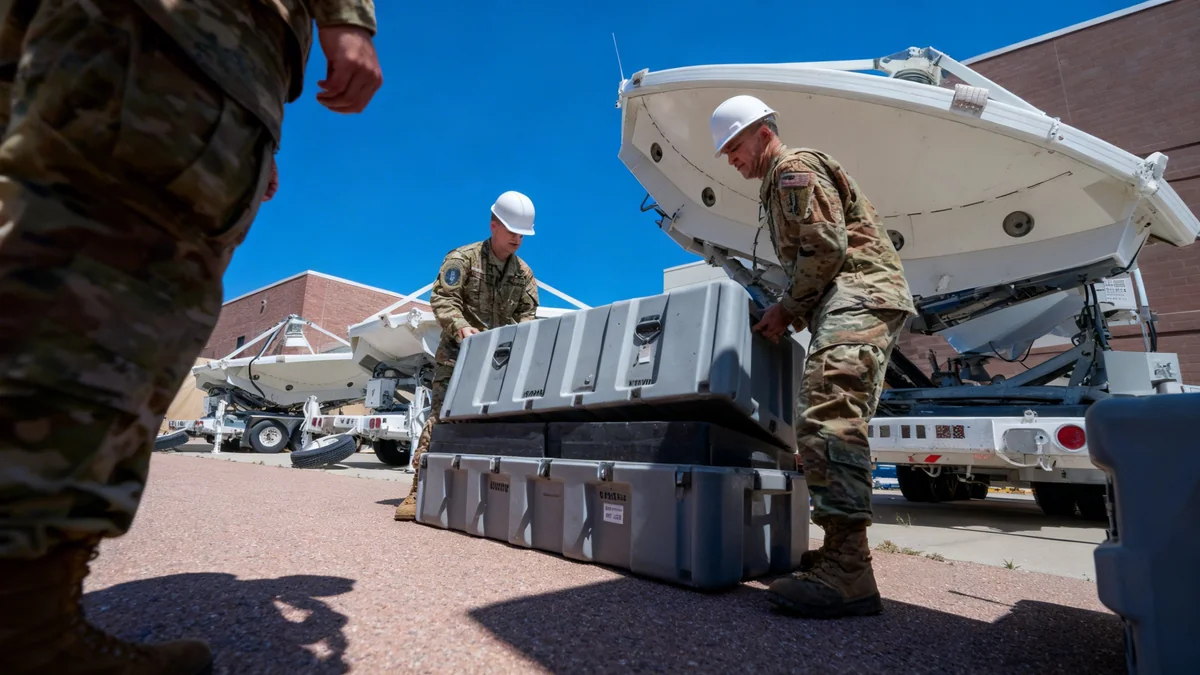
To meet these expanding mission sets, the Space Force anticipates significant growth. The service, currently comprising about 10,000 uniformed members and 5,000 civilians, is facing pressure from other military branches to deliver new capabilities faster.
Projected Growth
- Current Size: ~15,000 total personnel (Guardians and civilians)
- Projected Size: ~30,000 total personnel
- Timeline: Within the next 5 to 10 years
"I do think we will double the size, the number of people in the Space Force … within the next five to 10 year time horizon," Bratton projected. He cautioned, however, that this growth must be supported by adequate infrastructure, stating, "I worry more about the infrastructure personnel side of the resourcing these days."
Alongside this growth is an unambiguous focus on offensive capabilities. Gen. Bratton was direct about the necessity of being able to take action against an adversary's space assets if they are used to threaten U.S. forces.
"If the adversary is using space to gain advantage in air, land and sea, this is the only reason to establish the space force," he explained. "In warfare you have offensive and defensive actions... You do that through offensive operations."
Unresolved Challenges on the Ground
Even as it plans for the future, the Space Force continues to grapple with present-day challenges like electronic warfare. Gen. Bratton highlighted the persistent issue of GPS jamming, which has become a routine occurrence globally.
"We tolerate a lot of GPS jamming around the world and every day we’re just taking it," he said, questioning the lack of a clear policy on how to respond. He suggested that the U.S. needs to define its limits on such interference.
"What is the threshold?" he asked, noting that the constant interference has become normalized. This unresolved issue underscores the complex reality the Space Force must navigate as it prepares for a more demanding and dangerous future in orbit and beyond.