
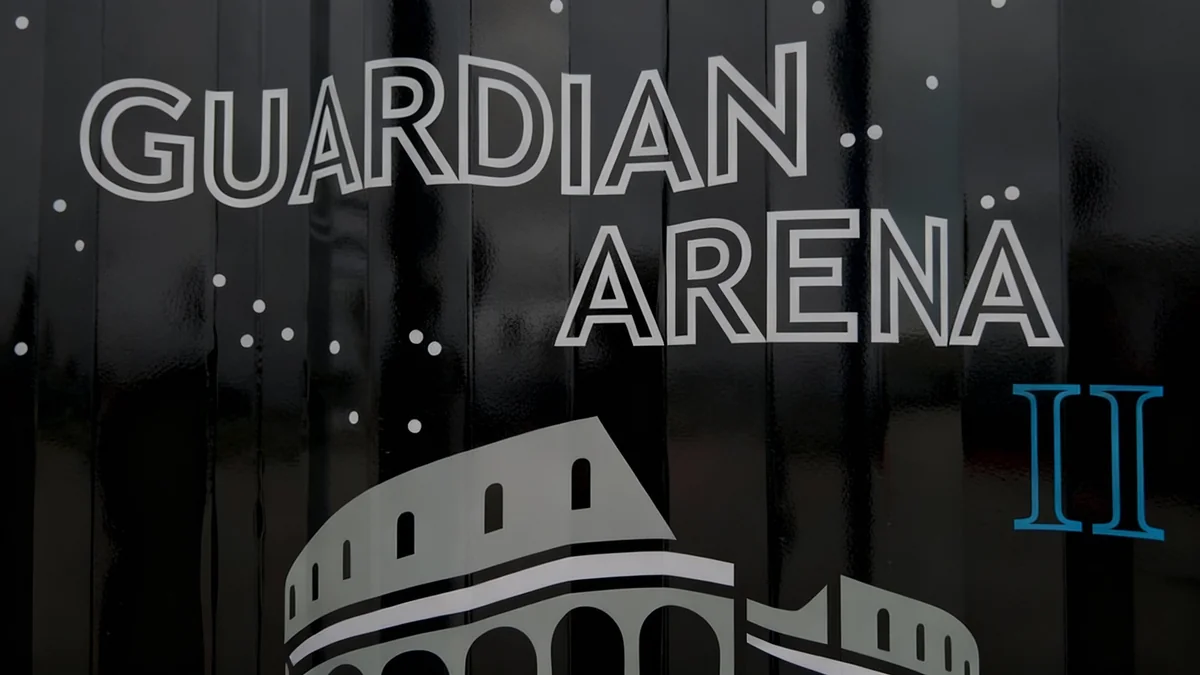


The United States Space Force recently concluded its third annual Guardian Arena, a rigorous two-day competition designed to test the operational readiness and warfighting skills of its personnel. Held on December 8 and 9, 2025, the event brought together units from across the service to compete at Kennedy Space Center and Patrick Space Force Base in Florida.
The competition challenged participants, known as Guardians, with a series of demanding physical, academic, and tactical scenarios. These events were structured to simulate the high-pressure environments Guardians could face in real-world operations, emphasizing teamwork, critical thinking, and resilience under stress.
Key Takeaways
- The U.S. Space Force held its third annual Guardian Arena competition on December 8-9, 2025.
- Events took place at Kennedy Space Center and Patrick Space Force Base, Florida.
- The competition included a mix of academic, physical, and tactical challenges to assess operational readiness.
- A key objective was to cultivate a competitive, warfighting mindset among Guardians for operations in contested domains.
A Multifaceted Test of Modern Warfare Skills
Guardian Arena III was not a simple test of strength or knowledge but a comprehensive assessment of the diverse skills required for modern space operations. The competition was built around a scoring system that aggregated points from a wide variety of events, ensuring that the winning team demonstrated excellence across multiple disciplines.
The two-day schedule was intense, forcing teams to move between different locations and quickly adapt to new challenges. This structure intentionally mirrors the dynamic and unpredictable nature of the space domain, where Guardians must be prepared to shift focus and apply their training to novel situations at a moment's notice.
The Core Components of the Competition
The event was broken down into three main categories of challenges:
- Academic Assessment: This portion tested the Guardians' theoretical knowledge of space operations, doctrine, and strategic principles. It ensured that physical prowess was balanced with a deep intellectual understanding of their mission.
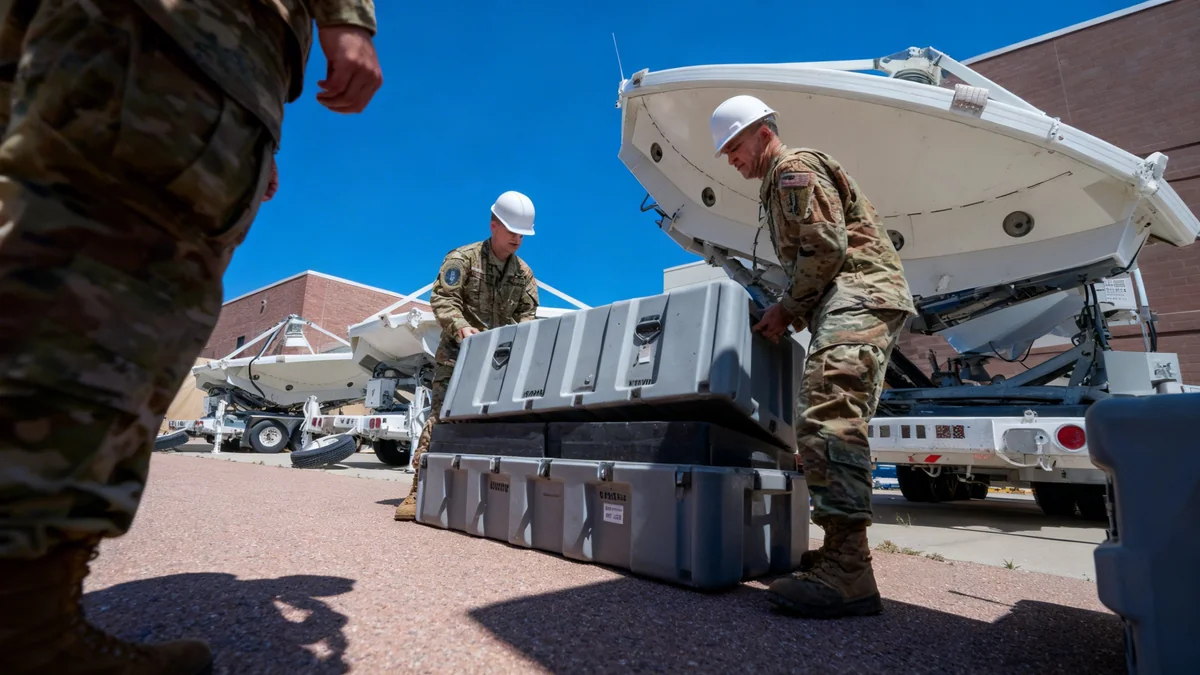
- Tactical Event - "Guardian Strike": A central feature of the competition, this hands-on scenario simulated a mission-critical operation. Teams were required to plan and execute a tactical response, testing their decision-making, communication, and coordination under pressure.
- Physical and Problem-Solving Stations: A series of 14 additional stations were spread across both venues. These challenges combined physical endurance with complex problem-solving, requiring teams to work together to overcome obstacles that tested both mind and body.
Why This Competition Matters
The establishment of the Guardian Arena aligns with the Space Force's broader strategy to develop a distinct service culture. Unlike traditional military branches, the Space Force operates in a highly technical and often virtual domain. Events like this are crucial for building unit cohesion, reinforcing core values, and translating abstract strategic goals into tangible, competitive exercises. The focus is on preparing personnel for a domain characterized by technological competition and potential conflict.
Cultivating a Warfighting Mindset
A primary objective of Guardian Arena is to reinforce the Space Force’s commitment to developing a disciplined and competitive warfighting culture. Senior leaders have emphasized the need for Guardians to be more than just technical operators; they must be warriors prepared to defend U.S. interests in space, which is increasingly viewed as a contested domain.
Guardian Arena III by the Numbers
- 2 days of competition
- 2 primary locations (Kennedy Space Center & Patrick SFB)
- 3 core event types (Academic, Tactical, Physical)
- 16+ total scored events, including "Guardian Strike" and 14 other stations
The competition's design directly supports this goal. By placing Guardians in stressful, time-sensitive scenarios, the event forces them to rely on their training, trust their teammates, and make critical decisions with incomplete information. This experience is invaluable for building the resilience and adaptability needed to operate effectively in a potential crisis.
"The annual competition reinforces the Space Force’s focus on developing disciplined, resilient Guardians capable of executing missions across contested domains while cultivating a competitive, warfighting mindset."
This statement, reflecting the official purpose of the event, underscores the strategic importance placed on the human element of space defense. While technology is central to the Space Force mission, the readiness and skill of its personnel are considered the ultimate force multiplier.
Building the Force of the Future
As the newest branch of the U.S. military, the Space Force is actively shaping its identity and training methodologies. Guardian Arena serves as a practical laboratory for this development, allowing the service to identify strengths and weaknesses within its units and refine its training programs accordingly.
The lessons learned from the performance of teams in events like "Guardian Strike" can directly inform future training curricula and operational procedures. It provides a feedback loop that helps ensure the force is preparing for the most relevant and challenging threats it may face.
Furthermore, the competitive nature of the event fosters a sense of esprit de corps and professional pride. By bringing together Guardians from different units and specialties, the Arena helps build a more cohesive and integrated force. This shared experience is vital for a small, highly specialized service where interoperability and mutual understanding are critical for mission success.
As the space domain becomes more congested and contested, the skills tested at Guardian Arena—from intellectual rigor to tactical execution—will become increasingly vital to national security. The event is more than a competition; it is a clear signal of the Space Force's commitment to preparing its people for the challenges of the 21st century.