


The United States Space Force has introduced a new thematic naming convention for its weapons, satellites, and communications systems, drawing inspiration from Norse mythology, constellations, and mythical creatures. The initiative aims to create memorable, popular names for complex equipment, moving beyond standard technical designations.
Chief of Space Operations General Chance Saltzman unveiled the new framework during a keynote address at the Space Force Association’s 2025 Spacepower Conference. The new system is designed to foster a stronger connection between service members, known as Guardians, and the systems they operate, while also building a distinct cultural identity for the nation's newest military branch.
Key Takeaways
- The U.S. Space Force has established seven thematic categories for naming its operational systems.
- Themes include the Norse pantheon for orbital warfare, ghosts for space domain awareness, and sharks for navigation warfare.
- The goal is to create "popular names" similar to how the Air Force names aircraft like the F-22 Raptor.
- This initiative is part of a broader effort to forge a unique culture and identity for the Space Force.
Forging a New Identity in Orbit
The Space Force is taking a significant step in defining its public and internal identity by assigning evocative names to its technology. Instead of relying solely on dry alphanumeric codes, the branch will now use a set of predefined themes to nickname its diverse assets, from ground-based sensors to orbital satellites.
During the announcement, General Saltzman explained the motivation behind the change. The new names are intended to give Guardians a greater sense of ownership and connection to their equipment. The approach mirrors a long-standing tradition in other military branches, where aircraft and ships are given powerful names like the F/A-18 "Super Hornet" or the USS Nimitz.
"After a lot of feedback and deliberation, we’ve chosen to represent each of our mission areas with specific symbology," Saltzman stated. "These symbols conjure the character of the systems, the importance of their mission, and the identity of the Guardians who employ them."
This move is the latest in a series of cultural milestones for the Space Force, which recently unveiled its own unique formal dress uniform. By creating a distinct lexicon for its technology, the service continues to differentiate itself from its sister branches and establish its own traditions.
The Seven Thematic Domains
The new naming structure is organized around seven core mission areas, each with its own designated theme. The themes were developed with input from Space Force Guardians and were carefully selected to be both inspirational and free of copyright restrictions.
The designated categories are as follows:
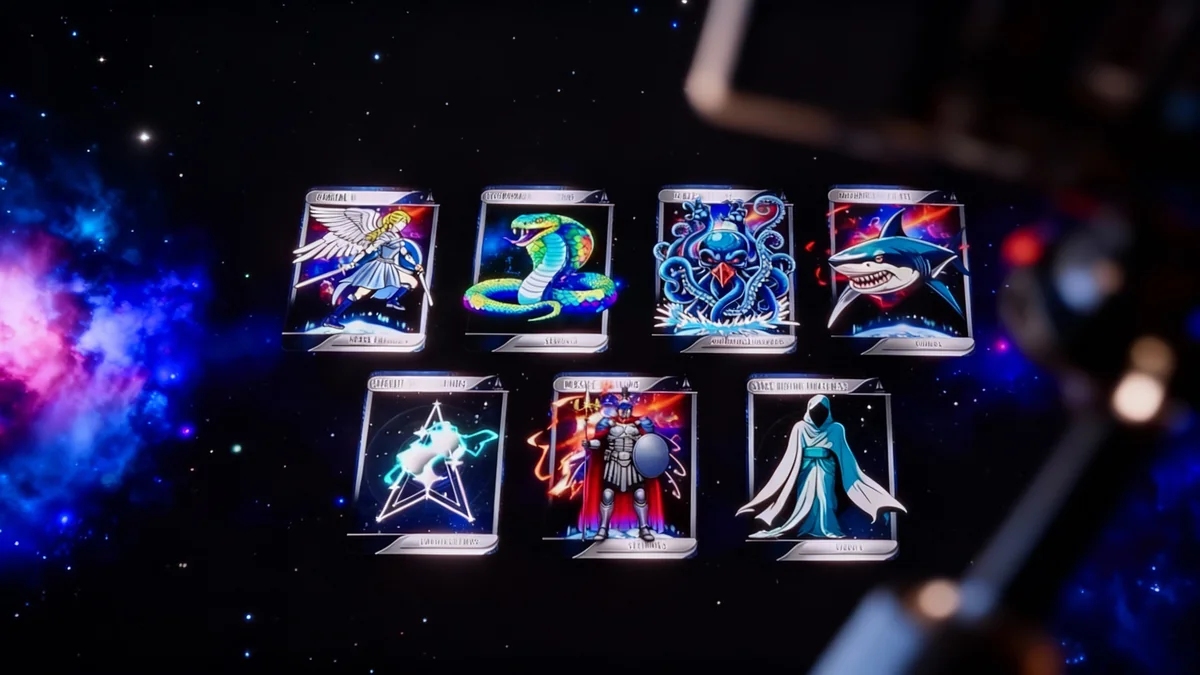
- Orbital Warfare: Systems in this domain will be named after figures from the Norse pantheon, reflecting what Saltzman described as "the power and dominance of orbital warfare."
- Electromagnetic Warfare: This area will use names of various Snakes.
- Cyber Warfare: Systems will be named after Mythological Creatures.
- Navigation Warfare: This domain will draw names from different species of Sharks.
- Satellite Communications: These systems will be named after Constellations.
- Missile Warning: Equipment in this crucial field will be named after Sentinels.
- Space Domain Awareness: These systems will be named after types of Ghosts, evoking what Saltzman called "the silent presence of space domain awareness."
From Technical Codes to Popular Names
This new system of "popular names" complements, rather than replaces, the formal designation system established in 2023. That system uses a two-letter code to define a system's purpose and location. For example, a terrestrial-based (T) electromagnetic warfare (E) system would have a formal designation beginning with 'ET'. The popular names will provide an accessible and memorable alternative for everyday use.
Mythology Over Pop Culture
A key consideration in developing the themes was the avoidance of intellectual property conflicts. This means that while the names are meant to be engaging, they will not be drawn from popular science fiction franchises.
"We had to find categories that you could use, like ghosts or constellations or things that nobody could claim ownership of," Saltzman explained, according to reports from SpaceNews. As a result, there will be no systems named after Jedi starfighters or Starfleet vessels.
The choice of broad, timeless categories like mythology and the natural world provides a deep well of potential names that can be used for generations without legal entanglements. The themes are meant to be both symbolic and practical, giving Guardians a rich vocabulary to describe their tools.
Putting Names into Practice
Some units have already begun adopting the new conventions. General Saltzman highlighted the 1st Space Operations Squadron, which has nicknamed its ORS-5 surveillance satellite "Bifrost." In Norse mythology, the Bifrost is the rainbow bridge connecting Earth to Asgard, the realm of the gods—a fitting name for a satellite operating in Low-Earth Orbit.
A Vision for the Future
The announcement was accompanied by stylized, colorful graphics resembling playing cards, with each card representing a different mission theme. This modern, visually engaging presentation underscores the Space Force's effort to connect with a younger generation of service members.
As the Space Force continues to field new technologies, including satellites, ground-based jammers, and even the experimental X-37B space plane, this new naming convention will provide a framework for integrating them into the branch's culture.
It remains to be seen how extensively the names will be used in daily operations, but the initiative marks a clear and deliberate effort to build a service with not only advanced capabilities but also a strong and unique heritage rooted in myth, nature, and the cosmos itself.