
On November 4, Boise residents will have the opportunity to vote on a proposed $11 million levy aimed at preserving open spaces throughout the city. The two-year measure continues a decades-long initiative that has protected thousands of acres of local land, and if passed, it would cost the average homeowner an estimated $40 per year.
Key Takeaways
- Boise voters will decide on a new $11 million, two-year open space levy on November 4.
- The estimated cost for the average homeowner is an additional $40 annually.
- This levy aims to expand beyond foothills preservation to include parks and pathways in underserved areas like West and Southeast Boise.
- Previous levies in 2001 and 2015 have already protected 11,814 acres across 32 parcels.
- There is no known organized opposition to the measure, though public awareness appears to be limited.
A Legacy of Preservation
Boise's commitment to protecting its natural landscapes is not new. This upcoming vote follows two highly successful levies that have fundamentally shaped the city's recreational identity. The first levy was approved by voters in 2001, establishing a fund dedicated to acquiring and maintaining open land.
In 2015, the community reaffirmed its support with overwhelming enthusiasm. The most recent open space measure passed with a nearly 75% majority, signaling strong public backing for conservation efforts. These initiatives have become a cornerstone of what defines the city's character.
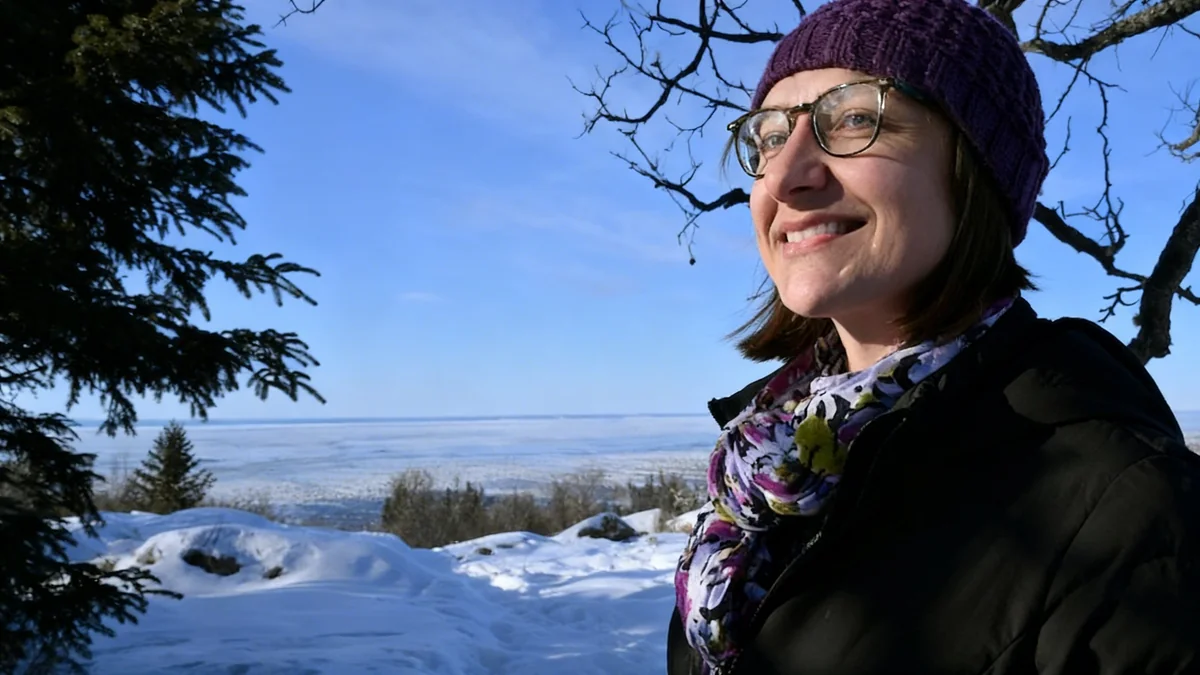
"It’s hard to imagine Boise being Boise without the levies," said Alexis Pickering, board chair for the group advocating for the current levy.
By the Numbers: Past Success
Combined, the 2001 and 2015 levies have funded the purchase of 32 different parcels of land, totaling an impressive 11,814 acres. This includes iconic and heavily used areas such as the Military Reserve, Hulls Gulch Reserve, and Camel's Back Park.
A Shift in Focus for 2025
While past funds have largely been used to acquire large tracts of land in the Boise Foothills, benefiting hikers and trail users, the proposed 2025 levy has a broader scope. Proponents emphasize that this new funding is designed to bring green spaces closer to more residents across the entire city.
Pickering explained that the potential projects are diverse. "That could look like [land in] the Foothills in the North End, but it could also look like parks and canal pathways, different types of open space in southeast Boise," she noted. The goal is to ensure all neighborhoods see a direct benefit from the investment.
Expanding Green Spaces to New Neighborhoods
The Boise City Council has already demonstrated its commitment to this wider vision. Over the past two years, it has approved the use of existing levy funds to purchase three sites for future city parks in West Boise, an area with fewer established green spaces compared to the North End.
This strategic shift is a key part of the campaign's message. "Western Boise and southeast Boise have the biggest amount to gain from this levy and we want them to be excited about it, too," Pickering said. The initiative seeks to create more accessible recreational opportunities for families and individuals who may not live near the foothills.
How the Process Works
If the levy is approved, the city's Open Space and Clean Water Advisory Committee will play a central role. Individuals, neighborhood associations, and community groups can submit proposals for projects. The committee then reviews these proposals and makes funding recommendations to the Boise City Council for final approval.
Community Impact and Public Awareness
Supporters believe the levy's impact will be felt on a hyperlocal level. The funds could be used to improve walkability, create safe routes to schools, or develop small neighborhood parks that serve as community hubs.
"These are likely going to benefit your own neighborhood association. This is where your kiddo could walk or bike to school because of it, right? So, I think these investments are going to be felt really close to home," Pickering added. The emphasis is on tangible, close-to-home improvements that enhance daily life for residents.
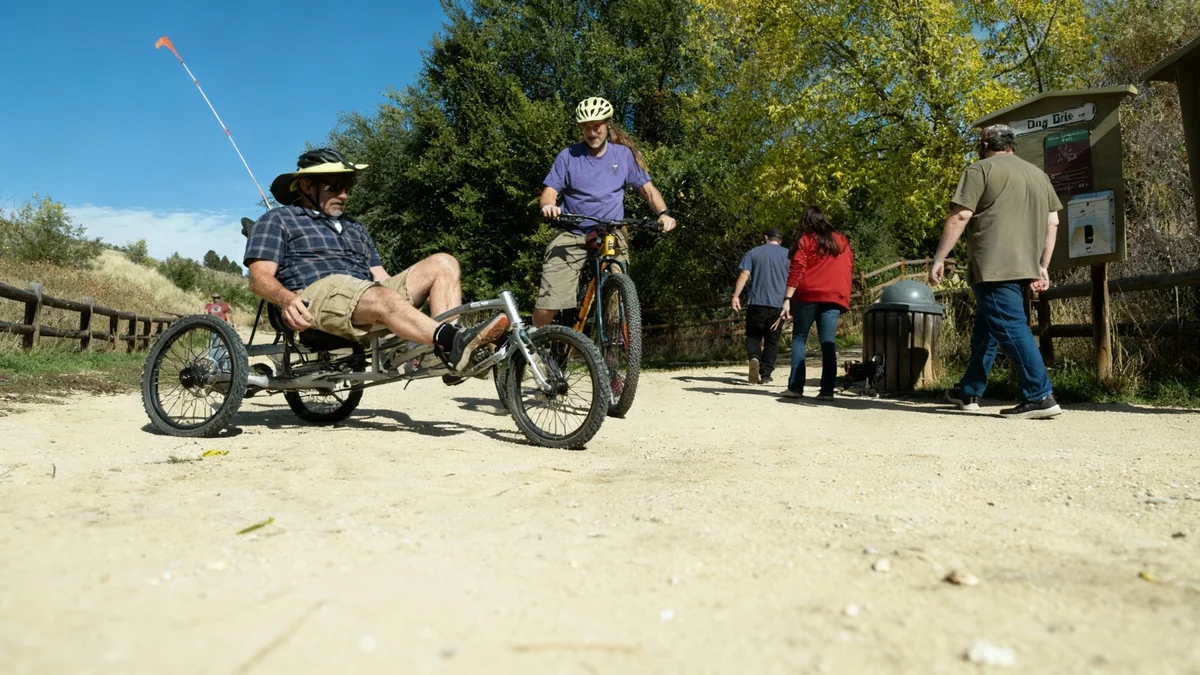
Despite the potential benefits and the history of strong support, public awareness of the upcoming vote appears to be a challenge. During a recent visit to the popular trails near Camel's Back Park, a hub for outdoor enthusiasts, many people enjoying the open space were unaware that a new levy was on the ballot.
While no one spoken to expressed opposition, the lack of awareness highlights a potential hurdle for proponents. Currently, there is no known organized group campaigning against the measure, suggesting the primary challenge is voter turnout and information dissemination rather than active resistance.
As the November 4 election approaches, the decision to invest another $11 million in the city's open spaces now rests with the voters of Boise.