


Tensions surrounding Iran's nuclear program have reached a critical juncture, with diplomatic negotiations running parallel to a significant U.S. military deployment in the Middle East. While the Omani mediator facilitating the talks reports progress, President Donald Trump has publicly expressed his dissatisfaction, creating a volatile and uncertain atmosphere.
The situation is further complicated by the largest American military presence in the region in over two decades, alongside precautionary warnings issued to U.S. personnel in Israel, signaling that the possibility of military action remains a serious consideration.
Key Takeaways
- President Trump stated he is "not happy" with the progress of nuclear negotiations with Iran.
- Omani Foreign Minister Badr bin Hamad Al Busaidi, the mediator, claims talks are making progress and has asked for more time.
- The U.S. has deployed its largest military force of warships and aircraft to the Middle East in decades.
- The U.S. Embassy in Israel has advised staff to consider immediate departure, indicating heightened security concerns.
- Iran has reportedly agreed to key concessions, including zero stockpiling of nuclear fuel and allowing American verification for the first time.
Conflicting Signals from Washington
President Donald Trump voiced his strong reservations about the current state of diplomatic efforts with Iran. He emphasized his core demand that Iran must fully commit to forgoing nuclear weapons capabilities.
"We're not happy with the negotiation," President Trump stated. "They have to say, we're not going to have a nuclear weapon. And they just can't quite get there."
A major point of contention appears to be uranium enrichment. The President indicated that Iran's desire to continue any level of enrichment is unacceptable to the United States.
"They want to enrich a little bit. You don't have to enrich when you have that much oil," he added, underscoring his administration's firm stance. This public display of disappointment from the White House casts a shadow over the ongoing talks and suggests the window for a diplomatic solution may be closing.
The Role of Oman
Oman has a long history of acting as a neutral intermediary between the United States and Iran. Its unique diplomatic position allows it to facilitate communication between two nations that have not had formal diplomatic relations for decades. This role was crucial in the lead-up to the 2015 nuclear deal and is again central to the current negotiations.
A Mediator's Plea for Patience
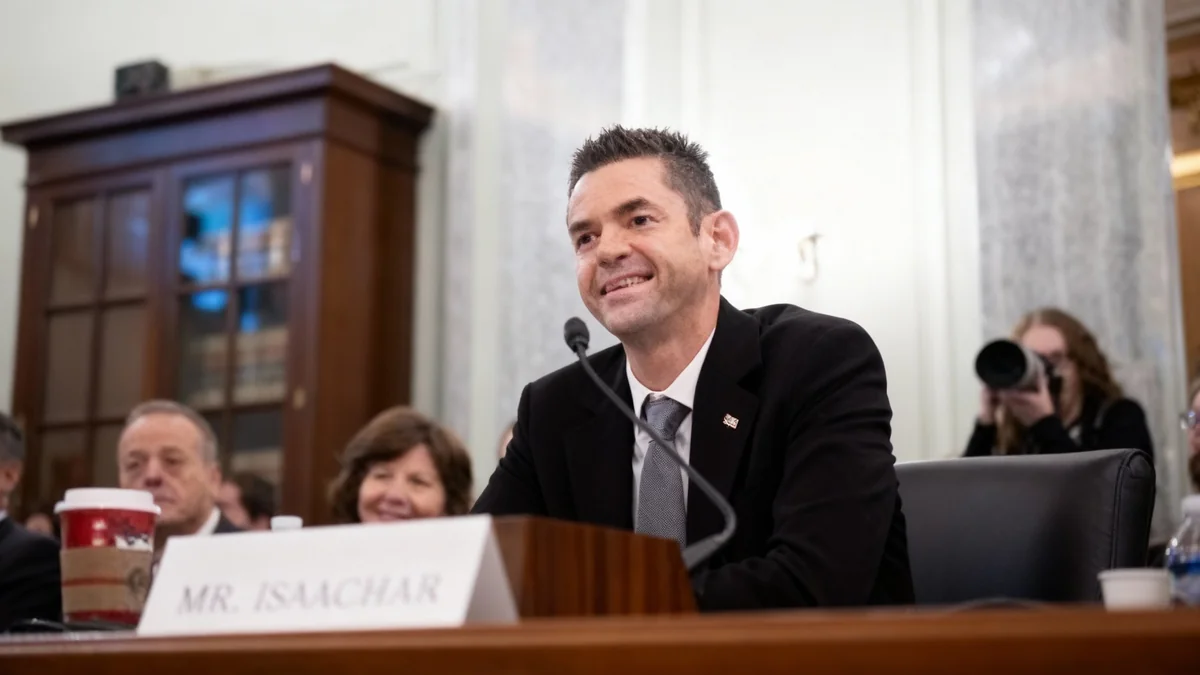
In stark contrast to the President's comments, the chief mediator offered a more optimistic assessment. Omani Foreign Minister Badr bin Hamad Al Busaidi, after meeting with Vice President J.D. Vance and other U.S. officials, suggested that significant headway has been made.
The Foreign Minister revealed that Iran has potentially agreed to major concessions that would severely restrict its nuclear activities. According to Al Busaidi, a potential agreement would ensure "zero accumulation, zero stockpiling, and full verification."
Potential Breakthroughs in Negotiations
This framework implies two critical developments:
- No Stockpiling: Iran would not be permitted to store any enriched nuclear fuel, preventing the accumulation of material that could potentially be used for a weapon.
- American Verification: For the first time, Iran would agree to allow Americans to be part of the verification process for its nuclear program, a significant step toward transparency.
Al Busaidi made a direct appeal for diplomacy to be given a chance to succeed, arguing that it is the only viable path to a lasting resolution.
"If I was President Trump, my only advice is just to give those negotiators enough room and enough space to really close these remaining areas," he advised. "Diplomacy can reach a deal. I don't think any other acts can solve this problem, really."
An Armada in the Gulf
While diplomats talk, military hardware continues to assemble in the region. The U.S. has amassed what President Trump has called an "armada," representing the most substantial deployment of American military power in the Middle East in recent memory. This includes a formidable force of warships and advanced aircraft.
The visible preparations for a potential conflict are not subtle. White House senior adviser Dan Scavino recently posted an image of B-2 stealth bombers on social media, the same type of aircraft used in previous strikes against Iranian targets. This move is widely interpreted as a signal of readiness and intent.
Military Leadership Briefs President
Adding to the sense of urgency, Admiral Brad Cooper, the top U.S. military commander for the Middle East, briefed President Trump on potential options for a military strike. This indicates that contingency planning is at an advanced stage within the Pentagon and the White House.
This military posturing serves as a powerful form of pressure on Iran, but it also raises the risk of miscalculation or an unintended escalation. The presence of such a large force creates a low threshold for conflict, where any incident could potentially spiral out of control.
Heightened Alert for U.S. Personnel
The gravity of the situation was underscored by a security alert from the U.S. Embassy in Israel. In an internal email, U.S. Ambassador Mike Huckabee advised staff to consider leaving the country immediately.
While the email stated there was "no need for panic," its message was urgent and unambiguous. "Those wishing to take authorized departure should do so TODAY," the ambassador wrote, with the word "today" capitalized for emphasis. Such a directive to diplomatic staff is a rare and serious step, reflecting credible intelligence about a potential threat in the region, likely related to possible Iranian retaliation in the event of a U.S. or Israeli strike.
This precautionary measure demonstrates that the U.S. government is actively preparing for the potential fallout of a military confrontation, moving beyond strategic posturing to take concrete steps to protect its citizens.
An Uncertain Path Forward
The international community now watches as two parallel tracks—intense diplomacy and overt military preparation—proceed simultaneously. Technical talks are reportedly scheduled to continue next week in Geneva, but their outcome is far from certain.
The conflicting messages from the White House and the Omani mediator highlight the fragile nature of the negotiations. While a diplomatic breakthrough may be within reach, as suggested by Al Busaidi's comments on verification and stockpiling, the President's dissatisfaction and the immense military force in place suggest that time is running out.
The coming days will be crucial in determining whether diplomacy is given the "enough space" the mediator has called for, or if the theater set for an attack will see its curtain rise.