


Anchorage is confronting a critical shortage of public burial space, a problem that has pushed one local nonprofit to propose an innovative solution: a natural cemetery on city land. However, the plan to create a low-cost, eco-friendly burial ground in South Anchorage has been temporarily halted, leaving families with few affordable options for their final resting places.
The proposal, led by the volunteer-run organization Alaska Natural Burial, aims to transform a 10-acre wooded parcel into a serene cemetery where bodies are buried in biodegradable materials, allowing the landscape to remain a public green space. Despite initial support from city staff, an advisory commission has paused the project, citing the need for more technical data.
Key Takeaways
- Anchorage's primary public cemetery, the Anchorage Memorial Park Cemetery, has reached its capacity of roughly 15,000 plots.
- A nonprofit, Alaska Natural Burial, has proposed a natural burial ground on a 10-acre city parcel as a low-cost alternative.
- The plan involves burying bodies without vaults, traditional caskets, or embalming fluids, preserving the land as a natural space.
- An advisory commission voted against the land transfer for now, demanding more engineering studies on groundwater and soil conditions.
A City Without Space for the Departed
For decades, Anchorage residents have relied on the municipally operated Anchorage Memorial Park Cemetery, which offered plots on public land at no cost. But that option is no longer available. In mid-2024, cemetery director Rob Jones confirmed that the facility, established in 1915, had effectively run out of space and began turning families away.
While a few plots remain within private tracts for fraternal organizations like the Elks and Moose lodges, the general public has lost its primary affordable burial option. The only other major cemetery in the city, Angelus Memorial Park Cemetery, is a private entity where a single plot can cost as much as $3,000 before adding the expense of a casket, headstone, and services.
The Financial Burden of Burial
The lack of public space has created a significant financial strain on grieving families. With private plots costing thousands, many are forced to consider cremation, which may not align with their wishes or beliefs. A 2024 bond measure for $4 million to fund new cemetery projects in the Anchorage area failed to gain voter approval, highlighting the challenge of securing public funding for this essential service.
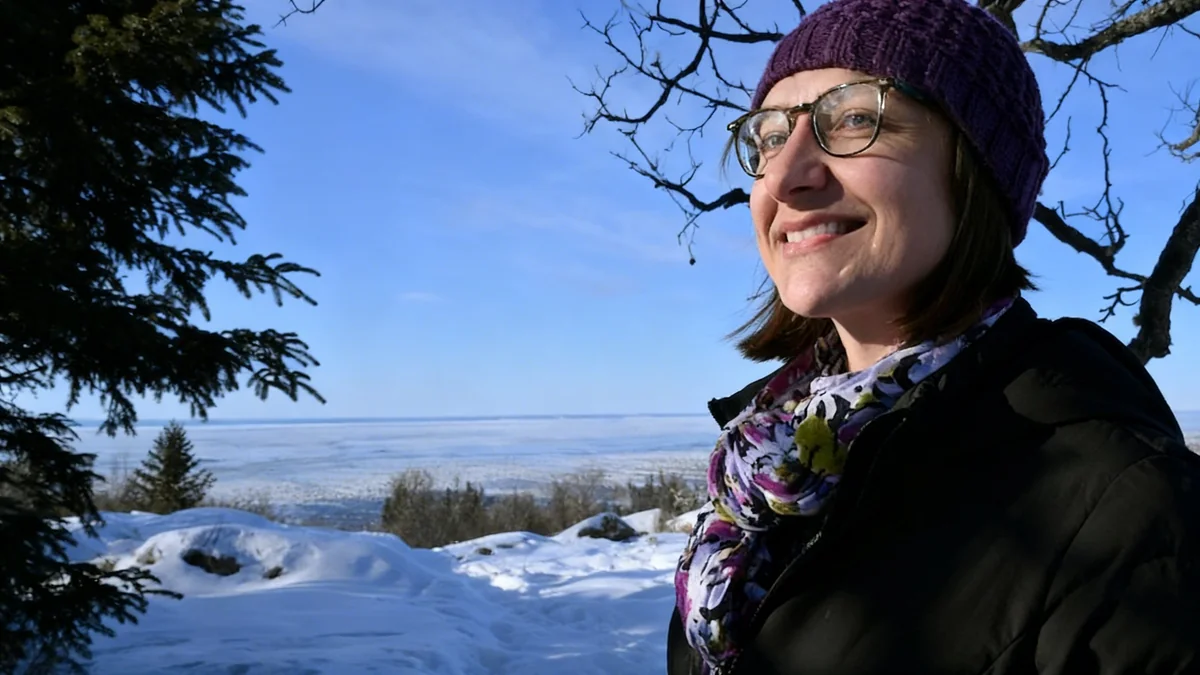
This situation has forced some residents to seek unconventional paths, such as joining lodges simply to secure a burial plot or opting for cremation due to cost. "What we’re looking at within the Municipality of Anchorage (is) community members and families who are priced out of a cemetery market," Rachel Bernhardt, founder of Alaska Natural Burial, explained to the Heritage Land Bank Commission.
An Eco-Friendly and Affordable Alternative
Bernhardt's nonprofit, Alaska Natural Burial, has put forward a solution rooted in simplicity and environmental stewardship. The group has proposed acquiring a 10-acre, city-owned parcel near Goldenview Drive to establish a natural burial ground. The land, currently held by the Heritage Land Bank, is a wooded area with views of the Chugach Mountains and Cook Inlet.
The proposed natural cemetery could accommodate over 2,000 graves while preserving the land's character as an open, natural space accessible to the public and wildlife.
What is Natural Burial?
The practice of natural burial avoids many elements of modern funerals. Key principles include:
- No Embalming: Bodies are not treated with formaldehyde or other chemical preservatives.
- Biodegradable Materials: Burials use simple pine boxes, wicker caskets, or shrouds made of natural fibers like cotton or linen.
- No Vaults: Concrete, plastic, or metal vaults are not used, allowing the body to return to the earth naturally.
- Natural Grave Markers: Instead of traditional headstones, graves are marked with subtle, natural markers like engraved stones, benches, or even birdhouses.
"It is inherently a low-tech and low-impact operation," Bernhardt stated, emphasizing that the land would remain a multi-functional urban space. The existing trails would be maintained for neighbors to walk and enjoy.
"People just want something simple. They want to go back to the earth as they come. They don’t want the fanfare, they don’t want the expense, they want their families to feel good about it."
A Project Paused by Uncertainty
The proposal gained positive momentum when staff at the Heritage Land Bank, which manages the city-owned property, recommended giving the land to Alaska Natural Burial for free. The staff report noted that the project would create "much-needed" cemetery space and could indirectly save the municipality and its residents millions of dollars.
However, the project hit a significant hurdle when the Heritage Land Bank's advisory commission voted against the proposal. During a public hearing, some commissioners and residents raised concerns about the site's suitability.
"I love the project... I think it is absolutely needed, and this may be the right place to do it," said Commissioner Tim Charnon. "But I don’t know that I’ve seen enough engineering yet to know."
Questions about groundwater levels, potential runoff, and whether the land could truly support the desired number of burials led to the commission's decision to deny the land transfer at this time. They requested more detailed hydrological and engineering studies before reconsidering the plan.
Community and Next Steps
The local Rabbit Creek Community Council has expressed support for the concept, calling it a "positive approach" to the cemetery shortage. However, they also requested assurances that burial methods would not attract bears or other wildlife and that the cemetery's management would not negatively impact two adjacent public parks.
According to Alaska Natural Burial, graves are typically dug up to four feet deep, and the soil on top acts as a sufficient smell barrier to deter animals.
Despite the setback, Bernhardt remains committed to the project. She announced plans to hire hydrologists and consult with natural burial experts to address the commission's concerns. The future of the natural cemetery, and a potential solution to Anchorage's burial crisis, now hinges on providing the data needed to secure the land. The proposal would also require final approval from the Anchorage Assembly before it could proceed.