
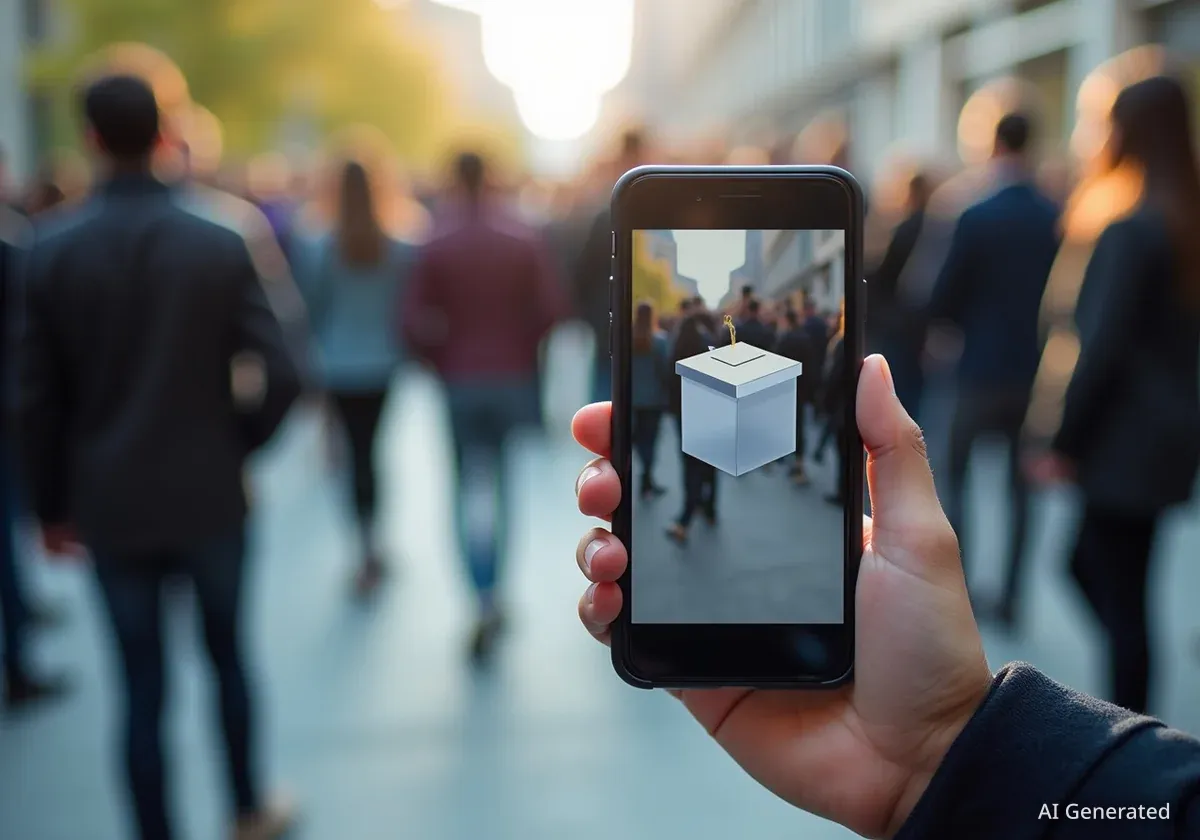


The Open Network (TON) Foundation and the Space Exploration and Research Agency (SERA) have initiated a project to select six civilians for a space mission using blockchain technology. The selection will be conducted through a global vote on the TON blockchain, facilitated by a new application within the Telegram messaging platform.
This collaboration aims to increase public access to space travel by using a decentralized voting system. The six selected individuals will travel to space on a future Blue Origin New Shepard rocket flight.
Key Takeaways
- SERA and the TON Foundation are partnering to send six civilians to space.
- Astronaut selection will be determined by a global vote on the TON blockchain.
- The process is managed through a Telegram Mini App called 'Mission Control'.
- Five seats are reserved for candidates from India, Nigeria, Brazil, Thailand, and Indonesia.
- One seat is open to the global public, with some country restrictions.
A New Approach to Astronaut Selection
The initiative, named Mission Control, represents a different method for choosing space travelers. Traditionally, astronaut selection has been managed by government space agencies or private wealth. This new project shifts the decision-making process to a global audience through a public vote.
SERA, a U.S.-based organization that describes itself as a “space agency for everyone,” has secured all six seats on an upcoming Blue Origin New Shepard mission. The partnership with the TON Foundation allows for the integration of blockchain technology to ensure a transparent and verifiable voting process.
Background on the Partners
The TON Foundation is a non-profit organization that supports The Open Network, a decentralized blockchain initially designed by Telegram. SERA focuses on creating opportunities for ordinary citizens to participate in space exploration and scientific research.
How the On-Chain Voting Works
Participants can join the selection process through the Mission Control application, which functions as a Mini App directly within Telegram. To apply or support a candidate, individuals must first register through this app.
The system uses an in-app point system called “SpaceDust.” Users can complete various challenges and activities to earn these points, which can then be used to support their preferred candidates. This gamified approach is designed to encourage engagement and participation from a wide audience.
Technical Integration with TON Blockchain
A core component of the initiative is its use of the TON blockchain. To participate in the voting, users are required to create a TON wallet within their Telegram account. This step is intended to introduce more people to blockchain technology and increase the adoption of Telegram's integrated crypto wallet.
Achievements and participation milestones within the Mission Control app will be recorded as non-fungible tokens (NFTs) on the TON network. These digital badges will serve as a permanent record of a user's involvement in the project.
“The idea was basically to democratize space,” said Max Crown, CEO of the TON Foundation, in an interview. “Going to space was always very elitist. And there’s, I think, 300 astronauts or something, if you actually count it.”
Global Reach and Seat Allocation
The six available seats are divided to ensure representation from different parts of the world. Five of the seats are specifically reserved for individuals from countries that have historically had limited representation in space. These countries are:
- India
- Nigeria
- Brazil
- Thailand
- Indonesia
The sixth and final seat is open to a global candidate pool. Applicants from any country can compete for this spot, with the exception of individuals from nations currently under international sanctions.
Project Funding and Future Plans
Funding for the Mission Control project is provided by the TON Foundation. Additional financial support is expected from sponsorships and advertising campaigns that may be associated with the national selection processes. The organizations have stated a long-term goal of replicating this open-selection model in other countries for future missions.
Previous Success and Broader Goals
This is not the first time SERA has used a novel approach for astronaut selection. In 2022, the agency successfully sent a Brazilian citizen to space through a campaign that also utilized NFTs. According to Max Crown, that effort resulted in the participant gaining significant national recognition.
Beyond the primary goal of sending civilians to space, the initiative serves a strategic purpose for the TON Foundation. By requiring a TON wallet for participation, the project is expected to drive significant user growth for the TON ecosystem within Telegram. It provides a practical use case for blockchain technology that is accessible to a mainstream audience.
The final selection process will vary by country. According to the announcement, it will involve a combination of online voting results and nationally televised events, adapting the format to fit local markets.
TON Wallet Expansion
The Mission Control project follows the expansion of TON's services. In July, the self-custodial TON Wallet was made available to users in the United States. The wallet, built on the TON blockchain, allows users to manage digital assets like Toncoin and USDT directly within the Telegram application, further integrating Web3 functionalities into the popular messaging app.