
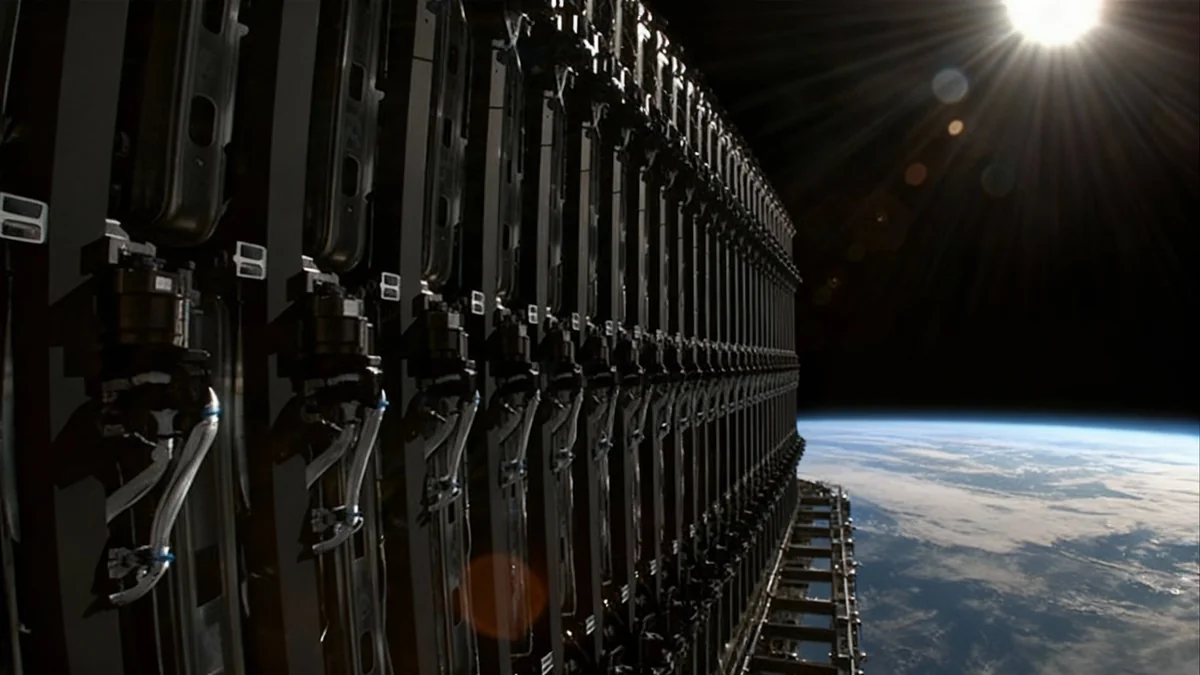


SpaceX is preparing to launch another batch of its Starlink internet satellites from Florida's Space Coast on Sunday, January 18, 2026. The mission, designated Starlink 6-100, aims to add 29 satellites to the company's growing orbital constellation, but success hinges on navigating a challenging weather forecast.
The Falcon 9 rocket is scheduled to lift off from Space Launch Complex 40 at Cape Canaveral Space Force Station. The launch window opens at 5:06 p.m. EST (2206 UTC) and extends for four hours. Weather officials are monitoring conditions closely as a cold front moves through the region.
Key Takeaways
- Mission: SpaceX Starlink 6-100, carrying 29 Starlink V2 Mini satellites.
- Launch Time: Sunday, January 18, 2026, at 5:06:10 p.m. EST from Cape Canaveral, Florida.
- Weather: Forecasters predict a 60% chance of favorable conditions at the start of the window, improving to 90% later.
- Booster: The mission will use Falcon 9 first stage booster B1080 for its 24th flight, a testament to SpaceX's reusability program.
Navigating Uncertain Skies
The primary obstacle for Sunday's launch is the weather. A cold front passing over the Florida peninsula is creating conditions that could violate several key launch weather rules. According to the 45th Weather Squadron, which provides forecasts for launches from the Cape, there is only a 60 percent chance of acceptable weather at the opening of the launch window.
The main concerns cited by forecasters are the potential for cumulus clouds, thick cloud layers, and excessive liftoff winds. These factors can pose risks to the rocket during its ascent through the atmosphere. The forecast temperature at liftoff is expected to be around 57 degrees Fahrenheit (14 degrees Celsius), with winds from the north gusting between 12 and 28 mph.
However, the outlook improves significantly as the evening progresses. By the time the four-hour launch window closes at 9:04 p.m. EST, the probability of favorable conditions increases to 90 percent. This provides SpaceX with flexibility to wait for a clearer opportunity should the initial attempt be scrubbed due to weather.
Why Weather Matters for Launches
Rockets are vulnerable to several weather phenomena. High winds can cause structural stress during ascent, while lightning strikes could damage sensitive electronics. Flying through certain types of clouds, like cumulus clouds, can also generate problematic upper-level electrical charges. Launch rules are in place to mitigate these risks and ensure the safety of the vehicle and its payload.
A Veteran Booster's 24th Mission
This flight will mark a significant milestone for the specific Falcon 9 first stage being used. The booster, designated B1080, is slated for its 24th launch and landing. This high flight count underscores the success and maturity of SpaceX's rapid reuse strategy, which has dramatically lowered the cost of access to space.
Booster B1080 first entered service in May 2023, when it launched the Axiom-2 private astronaut mission to the International Space Station. Since then, it has become a workhorse for the Starlink program, consistently carrying satellites to orbit and returning for future missions.
The Starlink 6-100 mission is the 347th dedicated launch for SpaceX's Starlink internet service, highlighting the rapid pace of the constellation's deployment.
Following stage separation approximately two and a half minutes into the flight, B1080 will perform a series of burns to reorient itself for a return to Earth. It is scheduled to land on the autonomous droneship ‘A Shortfall of Gravitas’ stationed in the Atlantic Ocean. The landing is expected to occur about 8 minutes and 20 seconds after liftoff.
Expanding the Global Network
The payload for this mission consists of 29 Starlink V2 Mini satellites. These satellites represent the newer generation of the Starlink constellation, offering enhanced capacity and speed compared to earlier models. Once deployed, they will join thousands of other satellites providing high-speed, low-latency internet service to users around the globe.
The flight plan calls for the satellites to be released from the Falcon 9's second stage just over an hour after launch. They will be deployed into an initial orbit of 164 by 157 miles (264 by 253 kilometers) with an inclination of 43 degrees to the Equator. From there, the satellites will use their onboard ion thrusters to gradually raise their altitude to their final operational orbit.
The Starlink Constellation at a Glance
- Objective: To provide global broadband internet coverage.
- Satellites in Orbit: Over 6,000 active satellites, with plans for tens of thousands more.
- Technology: Satellites operate in low Earth orbit (LEO) to reduce latency, a key advantage over traditional satellite internet.
- Impact: The service has been crucial in providing connectivity to rural, remote, and underserved areas, as well as in crisis zones.
While this is the 100th mission designated for Group 6, it is technically the 99th actual launch for this particular orbital shell. Each successful launch like this one further builds out the robustness and capacity of the Starlink network, bringing SpaceX closer to its goal of ubiquitous global internet access.
If conditions permit, the launch from Cape Canaveral will provide another spectacular sight for Florida residents and continue SpaceX's relentless launch cadence in the new year.