


A dramatic increase in satellite launches and re-entries is introducing unprecedented amounts of metallic particles and soot into the upper atmosphere, according to recent scientific studies. This new form of pollution poses a direct threat to the Earth's protective ozone layer and could alter stratospheric temperatures, raising concerns about long-term environmental consequences.
Researchers have now detected the chemical signatures of rocket exhaust and vaporized satellites in atmospheric samples, confirming that the new space race is leaving a lasting mark far above our heads. The findings are prompting calls for a fundamental shift in how the space industry operates, moving away from disposable technology toward a more sustainable, circular model.
Key Takeaways
- Increased rocket launches and satellite re-entries are releasing significant amounts of alumina and black carbon into the stratosphere.
- These pollutants can damage the ozone layer, which protects life on Earth from harmful solar radiation, and may contribute to atmospheric warming.
- Launch activity reached record highs in 2024 and 2025, driven by the expansion of satellite mega-constellations for services like global internet.
- Experts are advocating for a "circular economy" in space, focusing on satellite servicing, debris removal, and designing spacecraft for reuse to mitigate environmental impact.
The Unseen Fallout of a New Space Age
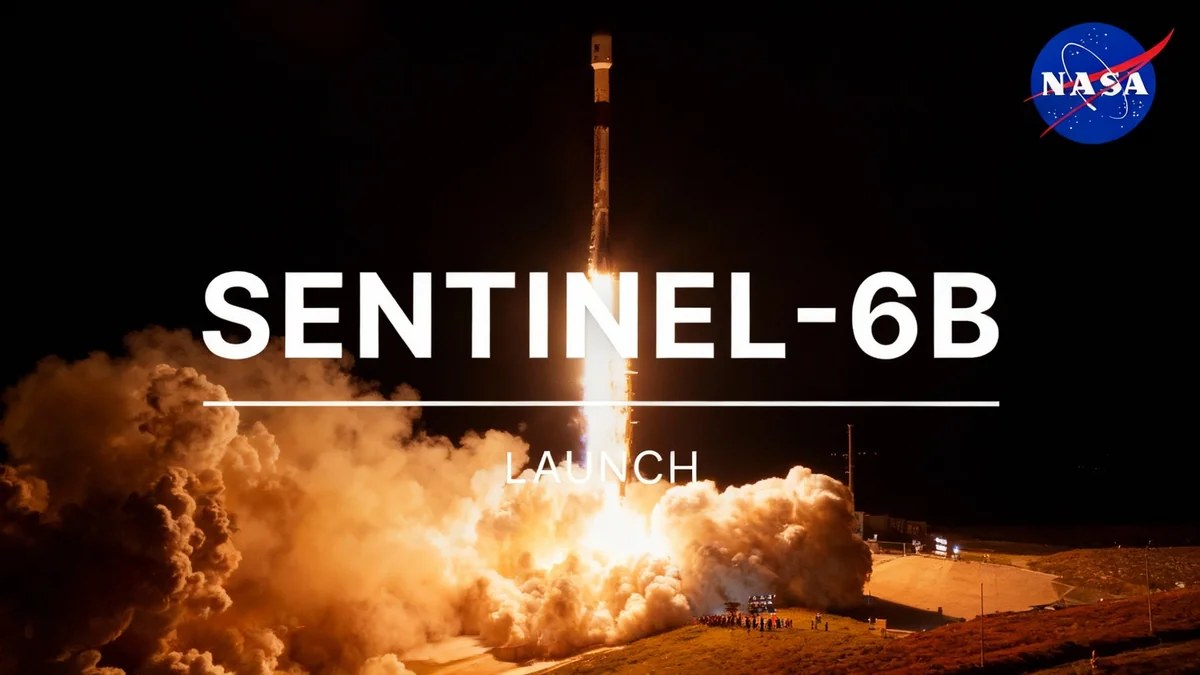
The night sky is becoming increasingly crowded, not just with active satellites but with the chemical byproducts of their deployment and disposal. The surge in orbital activity, largely fueled by commercial enterprises building vast satellite networks, has led to a significant increase in atmospheric pollution. Independent estimates show orbital launches exceeded 250 in 2024 and surpassed 300 in 2025.
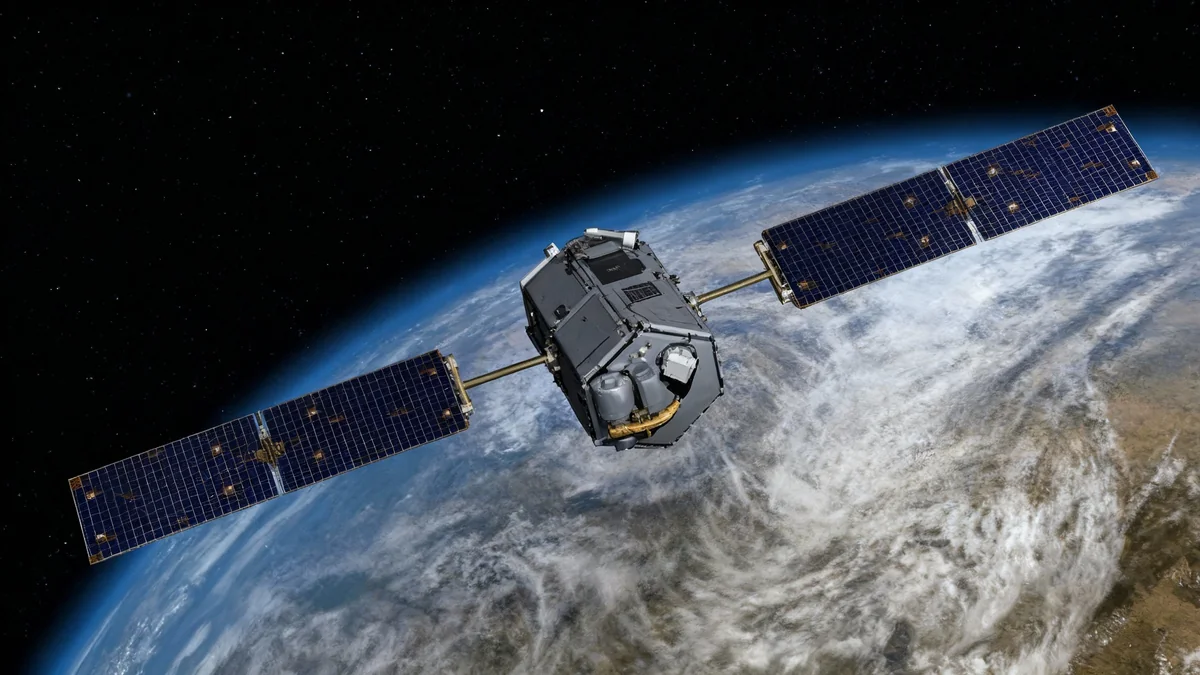
This rapid expansion means thousands of satellites are now being de-orbited annually. The standard procedure involves allowing them to burn up during re-entry, a process that disintegrates the hardware but releases a fine dust of metallic oxides into the middle and upper atmosphere.
Scientific models project a troubling future. By the 2030s, re-entering satellites could be injecting tens of thousands of tonnes of aluminum oxide, or alumina, into the atmosphere each year. This substance is known to trigger chemical reactions that destroy ozone molecules, potentially undermining decades of progress made since the Montreal Protocol phased out ozone-depleting chemicals on Earth.
What is the Stratosphere?
The stratosphere is the second major layer of Earth's atmosphere, located above the troposphere where we live. It extends from about 10 to 50 kilometers (6 to 31 miles) high. Crucially, it contains the ozone layer, which absorbs the majority of the sun's harmful ultraviolet radiation.
A Chemical Fingerprint in the Sky
What was once theoretical is now being measured directly. Research aircraft flying at high altitudes have collected stratospheric particles containing what scientists call "exotic" metals—including aluminum, copper, and lithium—in compositions consistent with the materials used in rockets and satellites. This provides direct evidence that the space industry's activities are altering atmospheric chemistry.
The impact is twofold. First, the alumina from vaporized satellites poses a direct threat to the ozone layer. Second, rocket exhaust itself contributes to the problem. Engines that use hydrocarbon propellants emit significant amounts of black carbon, or soot.
According to atmospheric modeling, high-growth scenarios for space launches could cause black carbon emissions to warm the stratosphere by several degrees and slow vital jet streams, with unknown consequences for global weather patterns and climate.
Beyond Pollution: Other Growing Pains
The atmospheric impact is not the only concern. The proliferation of satellites is creating significant challenges for astronomers. Bright streaks from satellites passing overhead are increasingly spoiling images from both ground-based and space telescopes, complicating scientific observation of the universe.
There is also a growing, albeit small, terrestrial risk. As the number of uncontrolled re-entries multiplies, the collective risk of debris striking the ground in populated areas increases, leading to calls for stricter international regulations on how satellites are de-orbited.
A Path Toward a Sustainable Future in Orbit
Faced with these challenges, experts and industry pioneers are advocating for a new paradigm: a circular economy for space. This approach prioritizes sustainability by designing technology for longevity and reuse, rather than disposal.
Several key strategies are emerging as part of this new vision:
- On-Orbit Servicing: Instead of de-orbiting a satellite when it runs out of fuel, specialized vehicles can dock with it to refuel or make repairs, extending its operational life by years. Northrop Grumman's Mission Extension Vehicles have already demonstrated this capability.
- Active Debris Removal: Companies and space agencies are developing "space tugs" or "garbage trucks" to capture and safely remove defunct satellites and other debris. The European Space Agency's ClearSpace-1 mission, planned for 2029, aims to be one of the first to demonstrate this technology.
- Design for Reuse: Future satellites and rockets could be designed with modular components that can be easily replaced or upgraded in orbit. Gentle, controlled de-orbiting would allow valuable parts to be recovered and repurposed.
The Hidden Value of Space Junk
Researchers estimate the potential reuse and scrap value of materials currently in orbit to be between $570 billion and $1.2 trillion. This massive economic incentive could drive investment in technologies needed to recover and recycle orbital debris, turning a pollution problem into a resource.
The Choice Ahead: A Polluted Sky or a Circular Economy
The science is becoming clearer. Continuing with the current "launch and burn" model risks trading one environmental problem—congested orbits—for another in the form of atmospheric pollution with long-term consequences for the ozone layer and climate.
Policy will play a critical role in shaping the future. Measures like extended producer responsibility, which would make manufacturers accountable for their products' entire lifecycle, could accelerate the shift. Financial incentives, such as refundable bonds for companies that safely de-orbit or service their satellites, could also encourage more sustainable practices.
The choice facing the global community is stark. One path leads to a sky filled with artificial chemical clouds that could delay ozone recovery and alter the climate. The other leads to a resilient and circular space industry, preserving both the orbital environment and the atmosphere that sustains all life on Earth.