


The International Astronautical Federation (IAF) has announced a call for abstracts for its second Global Space Conference on Climate Change (GLOC 2026). The event is scheduled to take place from June 2 to June 4, 2026, in Kigali, Rwanda. Researchers and experts have until November 7, 2025, to submit their work for consideration.
Hosted by the Rwanda Space Agency (RSA), the conference will focus on the theme "Uniting Space and Earth for Climate Resilience." It aims to bring together leading figures from the space sector, climate science community, and policy-making bodies to discuss solutions for global environmental challenges.
Key Takeaways
- Event: 2nd IAF Global Space Conference on Climate Change (GLOC 2026).
- Location: Kigali, Rwanda.
- Dates: June 2 – 4, 2026.
- Abstract Deadline: November 7, 2025.
- Theme: "Uniting Space and Earth for Climate Resilience."
- Organizers: International Astronautical Federation (IAF) and Rwanda Space Agency (RSA).
A Global Forum for Climate Solutions
The International Astronautical Federation (IAF) is organizing GLOC 2026 as a critical platform for addressing the planet's climate crisis. This event will serve as a convergence point for scientists, engineers, policymakers, and industry leaders who are leveraging space technology to monitor and mitigate the effects of climate change.
The conference's theme, "Uniting Space and Earth for Climate Resilience," highlights the essential role that satellite data, Earth observation, and other space-based assets play in building a sustainable future. According to the IAF, the goal is to foster collaboration and accelerate the development of innovative solutions.
The choice of Kigali, Rwanda, as the host city is significant. It underscores the global nature of the climate challenge and the increasing role of African nations in the space and technology sectors. The Rwanda Space Agency (RSA) will co-host the event, showcasing the country's commitment to space-based applications for national and regional development.
The Mission of GLOC 2026
The primary objective of the conference is to facilitate dialogue and knowledge exchange among diverse stakeholders. By bringing together experts from different fields, the IAF hopes to identify actionable strategies that use space technology to enhance climate resilience on a global scale. The event will feature interactive presentations, panel discussions, and networking opportunities designed to build partnerships and drive progress.
The Role of Space Technology
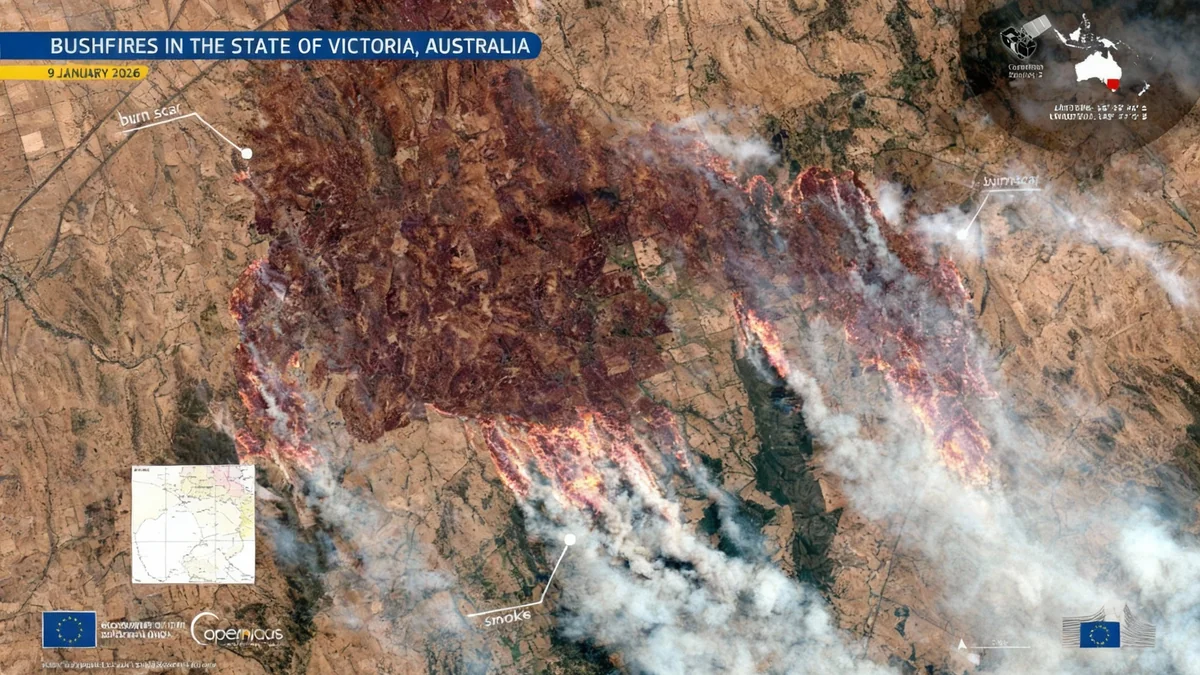
Space-based technologies are indispensable for climate action. Satellites provide crucial data on greenhouse gas concentrations, sea-level rise, deforestation, and polar ice melt. This information is vital for climate modeling, disaster management, and verifying compliance with international climate agreements like the Paris Accord.
Call for Abstracts Now Open
A central component of GLOC 2026 is its technical program, which relies on contributions from the global research community. The International Programme Committee has issued a formal call for abstracts, inviting original and impactful research submissions. The deadline for submission is firm: November 7, 2025.
Researchers are encouraged to submit their work through the official IAF submission system. This is an opportunity for scientists and innovators to present their findings to an international audience, receive feedback from peers, and contribute to the global conversation on climate solutions.
Why Submit Your Research?
Presenting at GLOC 2026 offers several key benefits, including the chance to influence policy, compete in the IAF Interactive Presentations' Competition, and collaborate with international experts to shape a more sustainable and resilient future for the planet.
Key Topics for Submission
The conference organizers are seeking abstracts across a wide range of topics that connect space technology with climate action. These areas reflect the multifaceted nature of the climate crisis and the diverse ways space can contribute to solutions. Key submission categories include:
- Climate Adaptation and Resilience: Strategies and technologies that help communities adapt to the inevitable impacts of climate change.
- Greenhouse Gas Monitoring: Advanced satellite and sensor technologies for accurately measuring and tracking greenhouse gas emissions.
- Artificial Intelligence for Climate Action: The use of AI and machine learning to analyze large climate datasets and improve predictive models.
- Service Development & Data Access: Innovations in making Earth observation data more accessible and useful for end-users, including governments and private companies.
- Disasters & Emergency Management: The application of space technology for early warning systems, damage assessment, and response coordination for climate-related disasters.
- Governance, Policy & SDG Alignment: The role of international policy, legal frameworks, and their alignment with the United Nations Sustainable Development Goals (SDGs).
- Space Tech & Innovation: Novel technologies and engineering solutions being developed to support climate science.
- Climate Finance & Sustainable Investment: Exploring financial mechanisms and investment models to fund space-based climate solutions.
- Outreach, Education & Capacity Building: Initiatives aimed at building skills and knowledge in developing countries to leverage space technology for local climate challenges.
The Significance of the Kigali Venue
Hosting GLOC 2026 in Kigali, Rwanda, marks a pivotal moment for the global space community. It reflects a growing recognition of Africa's emerging leadership in space science and its critical stake in the fight against climate change. The continent is disproportionately affected by climate impacts, making local and regional expertise essential for developing effective adaptation strategies.
The Rwanda Space Agency has been actively developing its capabilities, focusing on using satellite data for agriculture, land management, and urban planning. By hosting this conference, Rwanda positions itself as a key player in the dialogue on space for sustainable development.
"Bringing this global conference to Africa is a powerful statement about inclusivity in the space sector. The challenges of climate change require global cooperation, and the solutions must be co-created with the regions most affected."
The event is expected to attract a significant number of participants from across Africa and the world, providing a unique opportunity for cross-continental collaboration. It will allow African scientists and policymakers to share their perspectives and showcase their innovations on an international stage.
Opportunities for Participants
Beyond presenting research, attendees at GLOC 2026 will have numerous opportunities for professional development and networking. The conference is structured to be highly interactive, encouraging dialogue between presenters and the audience.
One of the highlights will be the IAF Interactive Presentations’ Competition, which recognizes outstanding research presented in a dynamic and engaging format. This competition provides a platform for emerging researchers to gain visibility and recognition for their work.
Ultimately, GLOC 2026 is more than just a scientific meeting. It is a call to action for the global space community to harness its collective expertise and technological capabilities to address one of the most urgent challenges of our time. Those interested in shaping this critical conversation are encouraged to prepare and submit their abstracts before the November deadline.