


The formal dining room, once a staple of household design, is undergoing a transformation. In homes across the country, these once-reserved spaces are being repurposed into libraries, offices, and hobby centers, reflecting a significant shift in how we live and use our personal environments.
This trend, accelerated by the demands of the pandemic, has given rise to the 'flex space'—a multi-purpose area designed for adaptability rather than formality. Homeowners are increasingly prioritizing function and personality over traditional room designations, reshaping the modern home layout.
Key Takeaways
- The pandemic forced households to re-evaluate their living areas, requiring rooms to serve multiple functions like work, school, and fitness.
- 'Flex spaces' are multi-use areas that adapt to a family's changing needs, moving away from single-purpose rooms.
- The 'dining library' is a popular example of this trend, combining a dining area with book storage and a reading nook.
- This shift reflects a broader cultural move towards practicality and personalization in home design over traditional formality.
The Pandemic's Lasting Impact on Home Design
The global health crisis of recent years acted as a catalyst for a change that was already simmering in home design. When millions were suddenly confined to their homes 24/7, the limitations of traditional layouts became apparent. A house was no longer just a place to rest; it had to be an office, a classroom, a gym, and a recreation center simultaneously.
This necessity forced a wave of creative adaptation. Spare bedrooms were converted into dedicated home offices. Corners of living rooms became makeshift fitness zones. The formal dining room, often the least-used room in the house, was prime for a complete reimagining.
What began as a temporary solution has now solidified into a lasting design philosophy. Homeowners discovered the benefits of spaces that could evolve with their needs, leading to a permanent departure from rigid, single-use room concepts.
The 'Flex Space' Becomes Mainstream
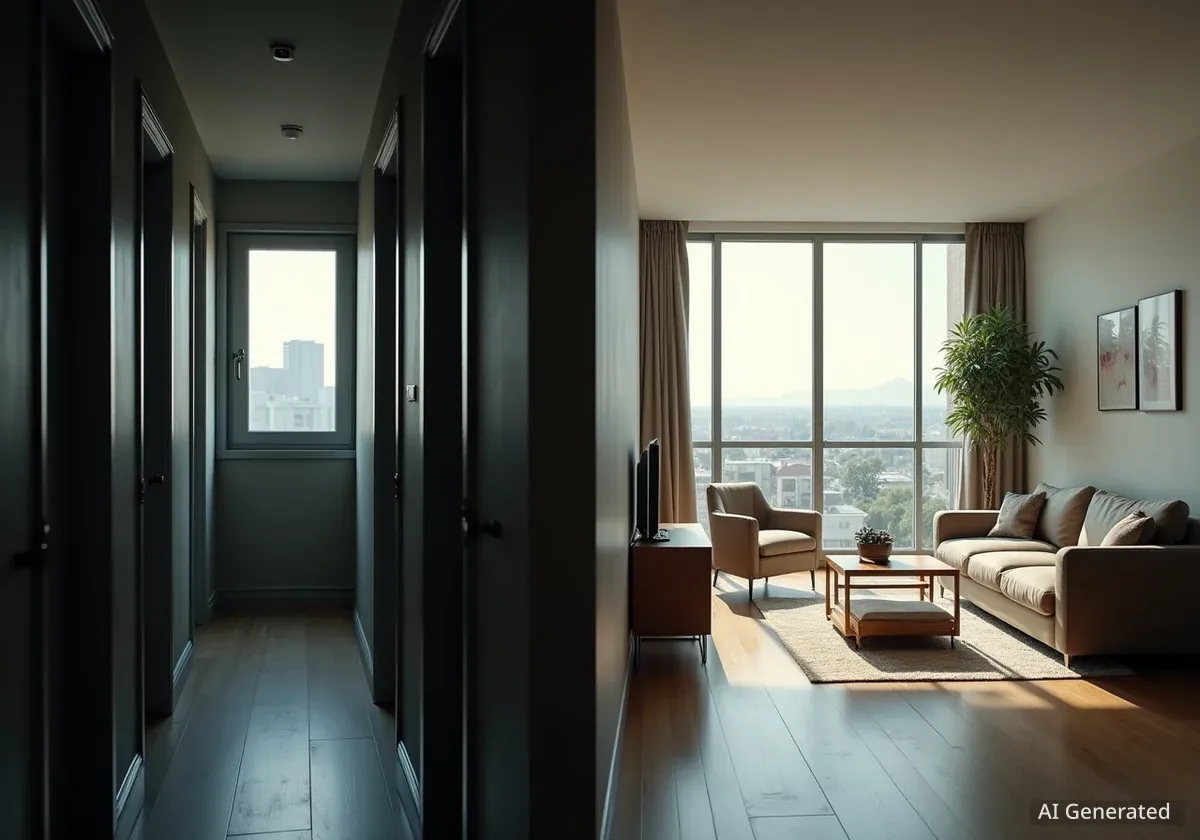
The term 'flex space' refers to any area in a home that can serve multiple purposes. It is defined not by a label, like 'dining room' or 'study,' but by its potential for adaptability. This concept prioritizes the inhabitants' lifestyle over architectural tradition.
Common examples of flex spaces include:
- A guest room that doubles as a home office with a Murphy bed or a stylish sofa bed.
- A wide hallway or landing utilized as a compact library or a children's play area.
- A living room designed with modular furniture that can be reconfigured for entertaining, movie nights, or solo relaxation.
- A kitchen island that serves as a food prep area, a dining table, and a homework station.
The core idea is efficiency. In an era of fluctuating work arrangements and evolving family dynamics, a home that can adapt is more valuable than one with a collection of underutilized formal rooms.
From Open-Concept to Functional Zones
For decades, the 'open-concept' floor plan dominated home design, removing walls to create large, airy living areas. The flex space trend builds on this idea but adds a layer of intentional functionality. Instead of one vast, undefined space, homeowners are now creating distinct 'zones' for different activities within an open layout, using furniture, rugs, and lighting to signal each area's purpose.
A Closer Look at the Dining Library
Perhaps the most evocative example of the flex space trend is the emergence of the 'dining library.' This concept transforms a formal dining room into a dual-purpose area that blends hospitality with intellectual pursuits. Instead of walls adorned with fine art, they are lined with bookshelves.
The large dining table remains the centerpiece, but its function expands. By day, it can be a sprawling desk for remote work or a collaborative table for school projects. In the evenings, it returns to its original purpose for family meals or dinner parties, surrounded by the warm, inviting atmosphere of a personal library.
"It's about making every square foot count," noted one interior designer. "Why have a beautiful room that you only use for a few holidays a year? A dining library is lived in, it's personal, and it tells a story about the people who live there."
This hybrid space challenges the notion that certain activities are confined to specific rooms. It integrates a love of reading and learning directly into the social heart of the home.
A Debate on Authenticity and Aesthetics
The rise of multipurpose rooms like the dining library has not been without criticism. Some observers note that the idea of using a dining table for work or study is hardly new, having been a common practice in smaller homes for generations. The current trend, they argue, often focuses more on aesthetics than genuine utility.
Concerns have been raised about homeowners purchasing books by the foot simply to achieve a certain decorative look, rather than curating a personal collection. This approach prioritizes the appearance of a scholarly life over the substance of one.
Designing for Real Life
Design professionals suggest that the most successful flex spaces are those born from genuine need. A family of avid readers will naturally benefit from a dining library. A fitness enthusiast will make good use of a home gym-office combo. The key is to design for your actual lifestyle, not an aspirational one seen on social media.
However, proponents argue that this view is overly cynical. They maintain that the trend is a positive reflection of a desire to be surrounded by things that bring joy and inspiration. If books, even if primarily decorative, create a more pleasant and calming environment, then the space has succeeded in its purpose of enhancing the residents' quality of life.
Ultimately, the conversation highlights a central theme in modern design: the balance between practicality and personal expression. The most effective flex spaces manage to be both highly functional and a true reflection of the inhabitants' passions and personalities.