
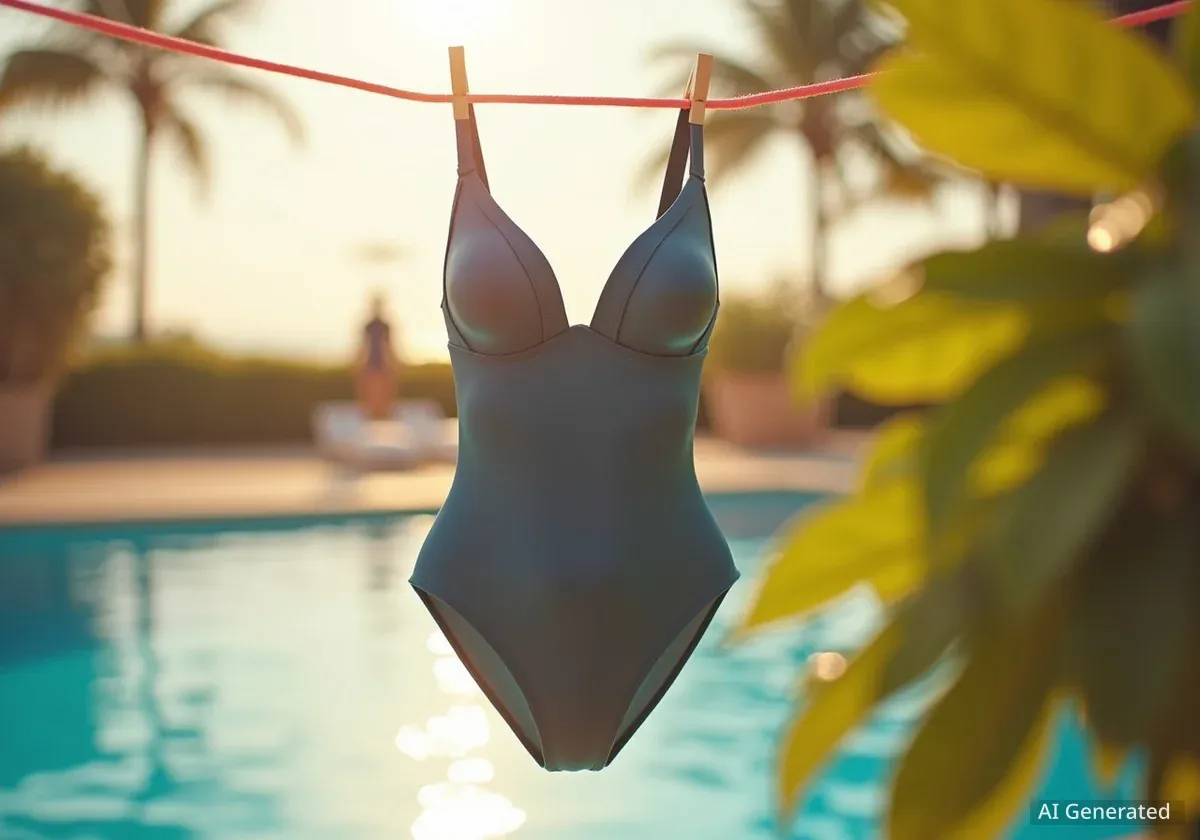



As summer approaches, many are navigating the latest trends in swimwear. This season, the focus has shifted towards a blend of classic styles and modern materials, with an emphasis on comfort, durability, and versatility. Understanding the nuances of fabric composition and popular cuts can help consumers make more informed choices.
Key trends include high-waisted bottoms and high-cut leg openings, which offer a different silhouette compared to traditional designs. Alongside these stylistic shifts, the materials used in swimwear continue to evolve, prioritizing both function and feel for all-day wear.
Key Takeaways
- Nylon and spandex blends dominate modern swimwear, offering a balance of stretch, durability, and quick-drying properties.
- High-waisted and minimal coverage bottoms are a prominent trend, designed to elongate the legs and provide a distinct silhouette.
- Proper care, such as hand washing in cold water, is essential for preserving the shape, color, and fit of delicate swimwear fabrics.
- Versatility is a growing consideration, with designs that can transition from the beach to other casual settings with the addition of a cover-up.
Understanding Modern Swimwear Fabrics
The foundation of any quality swimwear is its fabric. The most common combination in today's market is a blend of nylon and spandex, a pairing valued for its unique properties that are ideal for water and sun exposure.
Nylon provides a strong, lightweight, and smooth base, while spandex—also known as elastane—introduces the critical element of stretch. This elasticity allows the garment to conform to the body's shape without feeling restrictive, ensuring a comfortable and secure fit both in and out of the water.
Fabric Facts: Nylon and Spandex
A typical composition for premium swimwear is around 80% nylon and 20% spandex. This ratio provides significant four-way stretch, allowing the fabric to move with the body while retaining its original shape after use. It is also known for being relatively quick to dry.
This blend is also resilient against common beach elements like chlorine and saltwater, although proper care is still necessary to maintain its integrity over time. The result is a garment that feels comfortable for extended periods, from swimming to lounging.
The Rise of High-Waisted and High-Cut Styles
One of the most visible trends in recent years is the resurgence of the high-waisted bikini bottom. This style sits higher on the torso, often at or above the navel, providing a different kind of coverage and fit than low-rise options.
Defining the Modern Cut
Many contemporary high-waisted designs, such as the L*Space Nora bottom, incorporate additional stylistic elements. A popular feature is a high-cut leg opening, which rises above the hip bone. This design element creates the visual effect of longer legs and is a nod to swimwear styles popular in previous decades.
Another term often associated with this trend is "bitsy" or "minimal" coverage. This refers to the back of the bottom, which is designed to be less modest than full-coverage options. The combination of a high waist with minimal rear coverage creates a balanced and modern silhouette that has gained significant popularity.
From Trend to Timeless
The high-waisted silhouette first gained popularity in the mid-20th century and has seen a major revival. Modern interpretations often use ribbed or textured fabrics to add dimension and style, transforming a retro concept into a contemporary staple.
Versatility and Longevity in Swimwear
Today's consumers often look for more than just a single-purpose item. Swimwear is increasingly designed with versatility in mind, allowing it to be part of a complete outfit for a day spent by the water.
A well-designed bikini top or bottom can easily be paired with a flowy cover-up, a skirt, or shorts. This transforms a beach-ready look into an appropriate outfit for a casual brunch, a walk along the boardwalk, or a sunset gathering. This adaptability adds value and extends the use of the garment beyond just swimming.
The Importance of Proper Care
To ensure swimwear lasts for multiple seasons, proper care is crucial. The delicate blend of nylon and spandex can be damaged by high heat and harsh detergents, which can degrade the elastic fibers and cause the fabric to lose its shape and color.
"Like all delicates, shape, color and fit are best preserved if hand washed in cold water. Lay flat to dry."
Following these care instructions is the most effective way to protect your investment. Machine washing and drying can stretch the material and fade vibrant colors, significantly shortening the lifespan of the garment. Hand washing with a mild soap and air drying away from direct sunlight is the recommended method for maintaining swimwear quality.