


Communities across Yorkshire are facing a growing shortage of burial space, forcing families to bury their loved ones miles from home. The issue is particularly acute for the Muslim community in Dewsbury, where the local cemetery has now reached capacity, causing significant distress for grieving families.
The situation highlights a wider, pressing challenge for local councils, who are now scrambling to find long-term solutions as land for final resting places becomes increasingly scarce across the region and the country.
Key Takeaways
- Dewsbury Cemetery has no more space for new Muslim burials, impacting families with deep local roots.
- Families are being directed to cemeteries in neighboring towns, increasing travel time and emotional strain.
- Kirklees Council has acknowledged the issue and is planning a new multi-faith cemetery for the area.
- Other major Yorkshire cities, including Sheffield and Bradford, are also facing imminent shortages of burial plots.
A Family's Devastating Choice
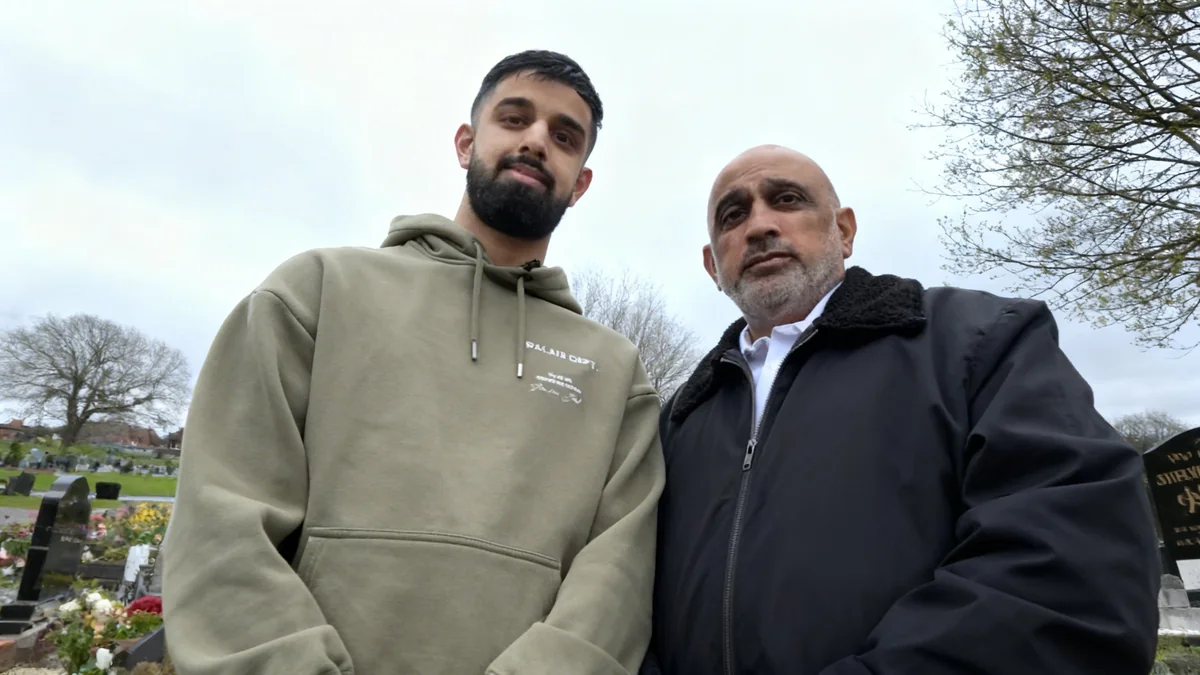
For the Hussain family in Dewsbury, the local cemetery is more than just a burial ground; it is a place of connection, where generations of their relatives are laid to rest. Sahil Hussain explained that his family has around 30 relatives buried there, creating a central point for remembrance and prayer.
When his grandfather, 84-year-old Mahboob Hussain, passed away in January, the family was prepared for the grief of loss. What they were not prepared for was the news that there was no longer any space for him at Dewsbury Cemetery. The last available plot for a Muslim burial had been taken the day he died.
"For us to hear that there was no space when it came to his time, when he had been a member of this Dewsbury community and contributed to this community, was very devastating for us," Sahil Hussain shared.
The family was forced to bury their patriarch in Heckmondwike, a town located about three miles away. While the distance may seem short, it has created a significant barrier for a family that values frequent visits to their loved ones' graves.
The Practical and Emotional Impact
Islamic custom emphasizes burial, often within 24 hours of death, making the swift availability of a local plot culturally significant. For the Hussains, who visit the graves several times a week to pray, the journey to Heckmondwike has proven difficult.
"At school times or weekends it has become a 20 to 25-minute journey stuck in traffic from Dewsbury to Heckmondwike," Hussain explained. This additional travel time has meant that many family members, especially older ones, are less able to pay their respects as often as they would like.
He added, "It's resulting in a lot of our family members not being able to go to visit his grave." The decision has effectively separated his grandfather from the rest of the family in their final resting place, breaking a tradition that has spanned decades.
Cultural Significance of Burial
While cremation is common in the UK, with around 80% of people choosing it annually, burial is a vital religious rite in Islam and other faiths. The tradition of burying the deceased quickly and locally allows the community to gather, mourn, and support the bereaved family in a familiar setting. The lack of local space disrupts these important cultural and religious practices.
The Council's Response and Long-Term Plans
Kirklees Council, the local authority responsible for the cemeteries, has confirmed that Dewsbury Cemetery is now at capacity for Muslim burials. In a statement, the council acknowledged the situation and pointed families towards alternative sites.
Officials stated that both Batley and Heckmondwike cemeteries have "several years of space remaining" to serve residents of all faiths. They noted that both facilities are approximately three miles from the full Dewsbury site. While factually correct, this solution does not address the deep-rooted community ties that families have to their local cemetery.
Looking ahead, the council is taking steps to address the shortage. "For the long term, the council has agreed to develop a new multi-faith cemetery to increase local capacity for Dewsbury," a spokesperson confirmed. However, the timeline for this new facility has not been detailed, leaving current families in a difficult position.
A Widening Regional Problem
The shortage of burial space is not unique to Dewsbury. Across Yorkshire, local authorities are facing a similar crisis. This indicates a systemic issue with urban planning and resource allocation for end-of-life services.
A Yorkshire-Wide Challenge
The problem of dwindling burial space extends far beyond Kirklees. Other major urban centers in the region are confronting their own capacity crises, prompting urgent action from city councils.
- Sheffield: The situation here is particularly critical. Sheffield City Council estimates that its general burial capacity could run out in as few as five years. For the Muslim community, the projection is even more stark, with available space expected to be depleted within just three years. The council is now considering an expansion of the City Road Cemetery and exploring entirely new locations.
- Bradford: Facing similar pressures from a growing population, Bradford Council recently announced its own plans to develop a new cemetery specifically to meet the rising demand within the Muslim community.
These examples show a clear trend across the region, where the land available for traditional burials is failing to keep pace with the needs of the population. The issue forces difficult conversations about land use, cultural practices, and long-term urban planning.
National proposals have even been put forward by the Law Commission to address the shortage, including the controversial idea of reusing old graves where the memorials are no longer tended. Such measures, while practical, raise complex ethical and religious questions that communities across the UK will need to confront in the coming years.