

The classic neighborhood coffee shop, once the heart of local communities, is changing. As technology and new social habits reshape our interactions, the places where people gather for connection are evolving, moving from cafe tables to pickleball courts and running clubs.
This shift reflects a broader change in how we define community and combat a growing sense of isolation in an increasingly digital world. While the familiar settings of the past may be fading, new and often unexpected venues are emerging to fill the social void.
Key Takeaways
- The concept of a "third space" refers to places outside of home (first space) and work (second space) that foster community and social connection.
- Traditional third spaces like coffee shops and bookstores are seeing their social function diminish due to technology and changing consumer habits.
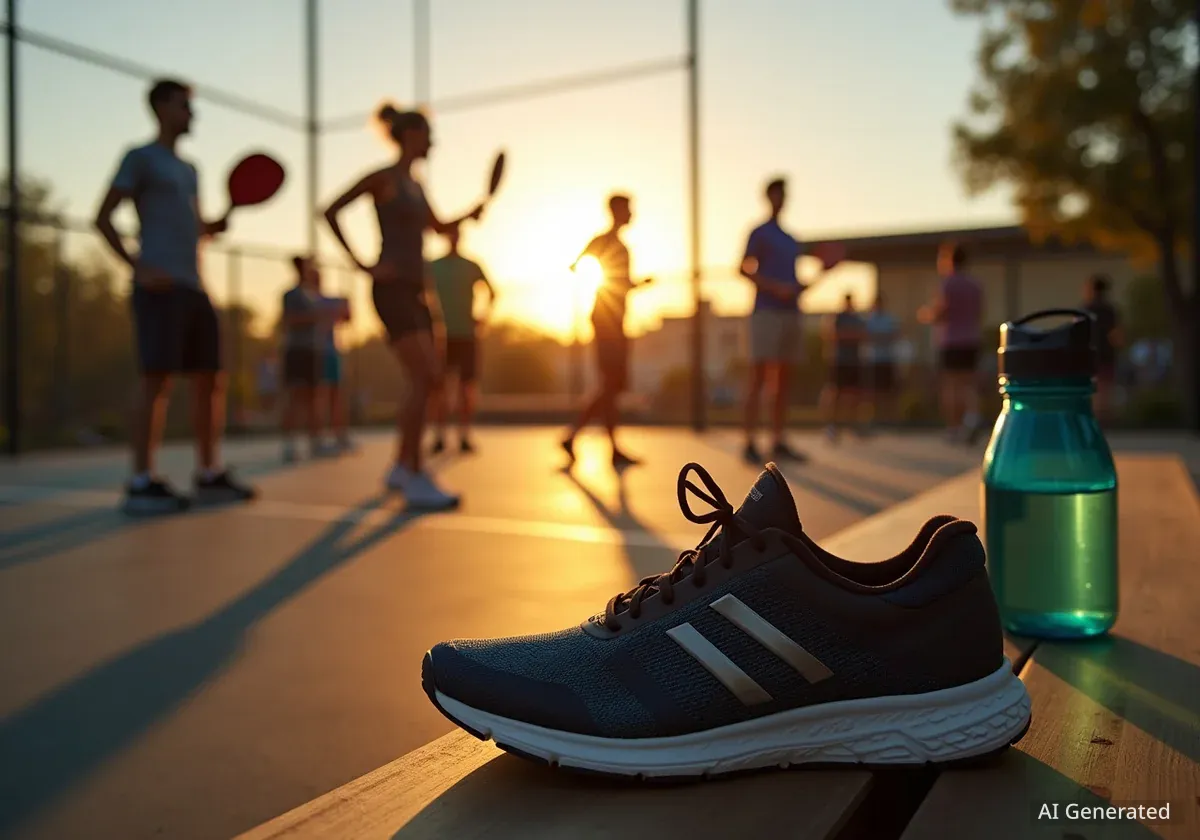
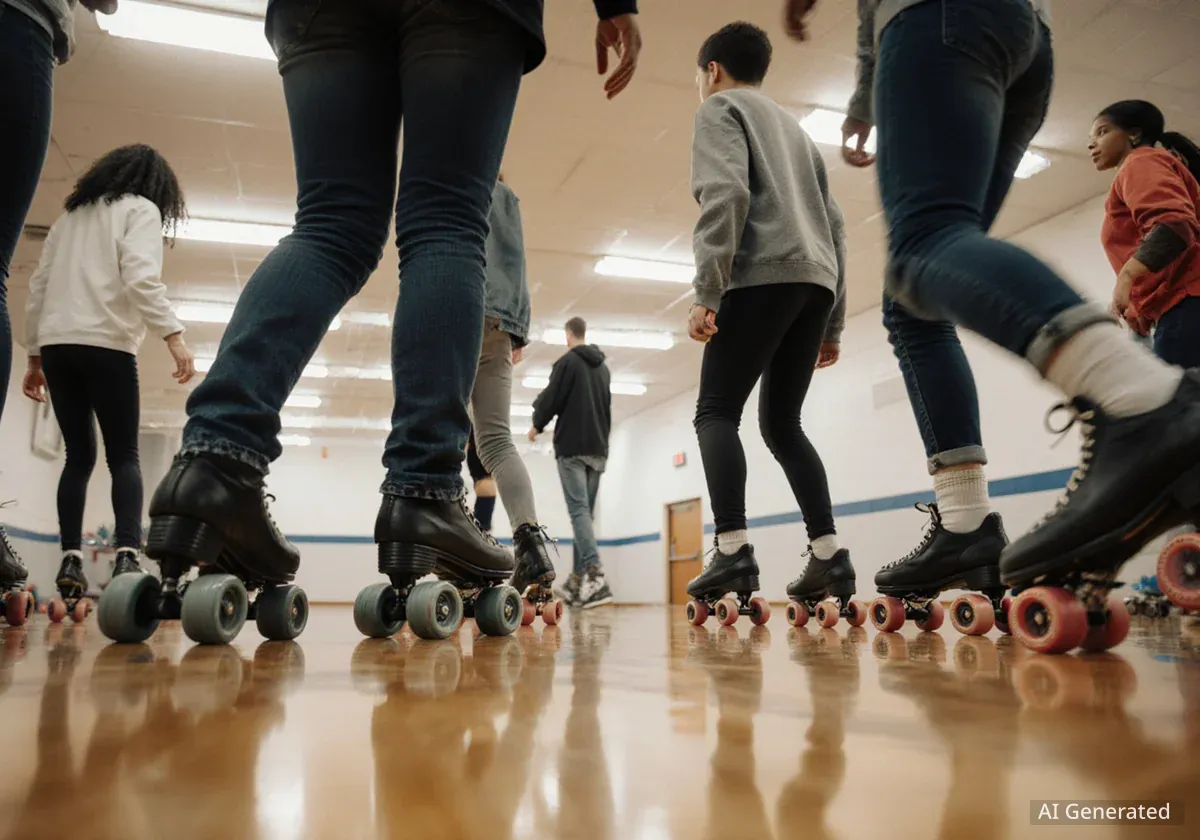
- New, activity-based third spaces are on the rise, including pickleball courts, group fitness classes, and running clubs.
- These new spaces often prioritize inclusivity and shared interests, offering an antidote to loneliness and social anxiety.
Understanding the 'Third Space'
Sociologists use the term "third space" to describe the crucial anchors of community life. These are the environments where people can relax, interact, and build relationships informally. Your home is the first space, and your workplace is the second.
The Three Pillars of Social Life
The theory of social spaces categorizes our environments to understand their function:
- First Space: The home and family environment.
- Second Space: The workplace, where we spend our professional lives.
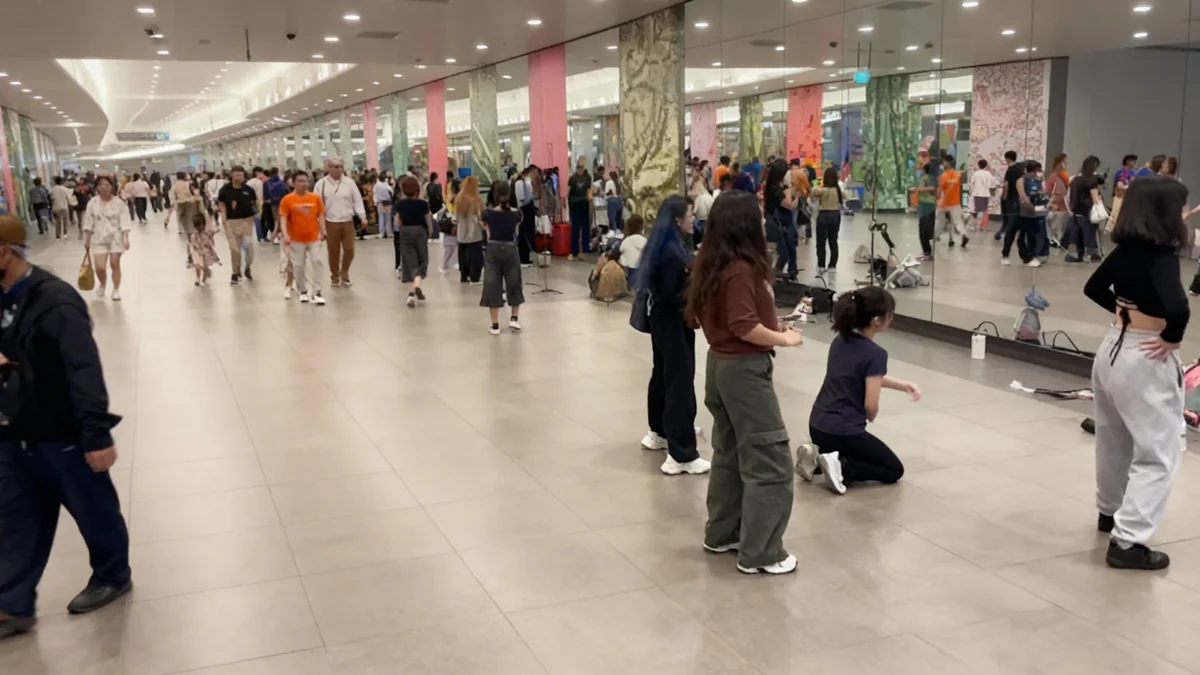
- Third Space: Public settings like cafes, parks, libraries, and pubs that facilitate social cohesion and a sense of belonging.
For decades, the coffee shop was a perfect example of a third space. It was a neutral ground where people from different walks of life could meet, chat, and feel like part of a larger community. Think of the iconic Central Perk from the 90s sitcom "Friends"—a place that was as much a living room for the characters as their own apartments.
The Decline of the Classic Cafe
Today, the function of many coffee shops has fundamentally changed. The rise of remote work has turned many cafes into quiet, unofficial offices filled with people typing on laptops with headphones on. The social hum has been replaced by the click of keyboards.
Furthermore, convenience has overtaken community. The prevalence of drive-throughs and mobile ordering means many customers never step inside the building. The transaction is efficient but sterile, stripping away the opportunity for the casual, spontaneous interactions that build local bonds.
"We've optimized for convenience at the expense of connection," explains Dr. Alistair Finch, a sociologist studying urban trends. "The architecture of our daily lives now often directs us away from each other, not towards each other. The classic third space is a casualty of that efficiency."
While these establishments aren't disappearing, their role as vibrant social hubs is diminishing. The warm, inviting atmosphere that encouraged lingering and conversation is becoming harder to find.
A New Generation of Social Spaces
As traditional third spaces wane, a new breed of community-focused environments is emerging. These new spaces are often built around shared activities, providing a natural and low-pressure way for people to connect.
One of the most prominent examples is the explosion of pickleball. Courts have sprung up in parks and dedicated facilities across the country, attracting a diverse mix of people of all ages, fitness levels, and backgrounds. The game is easy to learn and inherently social, making it an inviting entry point for building new friendships.
The Pickleball Phenomenon
Participation in pickleball has grown dramatically in recent years. The sport's accessibility and social nature have made it a leading example of a modern, inclusive third space that appeals to a wide demographic.
Other modern third spaces on the rise include:
- Group Fitness Classes: Studios for yoga, cycling, and CrossFit create tight-knit communities around shared health goals.
- Running Clubs: Both casual and competitive running groups provide structure and camaraderie for what is often a solo activity.
- Social Media Meetups: Online communities are increasingly moving offline, with groups organizing in-person events like watch parties, book clubs, and park gatherings.
The Question of Exclusivity
Not all modern social spaces are open to everyone. High-end, members-only clubs like Soho House offer curated environments for networking and relaxation, but their exclusivity raises a key question: should third spaces be for everyone?
These private clubs function as third spaces for their members, but by definition, they exclude the general public. This model is nothing new; fraternities, sororities, and country clubs have long operated on similar principles.
However, the new wave of activity-based spaces often thrives on inclusivity. The appeal of a running club or a pickleball court is that anyone can join. This open-door approach may be why they have become so successful in fostering genuine community—they create a melting pot where diverse individuals can connect over a common interest.
Why These Spaces Matter More Than Ever
The search for community is a fundamental human need. In an era where studies report rising levels of loneliness and social anxiety, the role of the third space is more critical than ever.
Engaging in these community hubs offers a powerful way to build confidence, form relationships, and find a sense of belonging. Whether it’s sharing a laugh after a missed shot in pickleball or grabbing a coffee with a running partner, these small interactions are the building blocks of a connected and balanced life.
While the aesthetic of the cozy 90s coffee shop may be fading into nostalgia, the spirit of the third space is alive and well. It has simply found a new home—on the court, on the trail, and in the shared experience of a new hobby.