

After more than two years of devastating civil war, Sudan is now home to the world's most severe humanitarian crisis. The recent capture of El Fasher by paramilitary forces has intensified the suffering, with up to 400,000 lives lost nationwide and millions displaced in a conflict that continues to escape global attention.
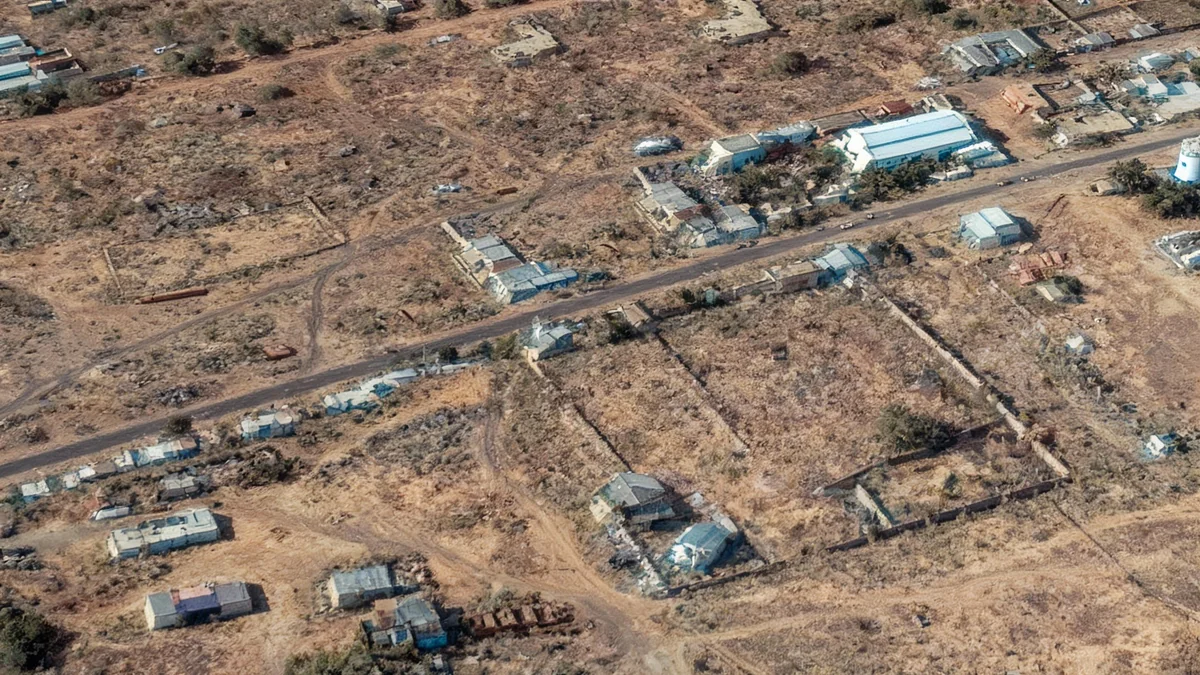
Evidence gathered from satellite imagery and geolocated social media posts paints a grim picture of the atrocities on the ground. As communication blackouts isolate entire regions, these modern tools offer the only window into a catastrophe marked by widespread violence, starvation, and disease.
Key Takeaways
- Sudan's civil war has been ongoing for over two years, resulting in an estimated death toll of up to 400,000 people.
- The paramilitary Rapid Support Forces (RSF) recently captured El Fasher after an 18-month siege that trapped 150,000 residents.
- The conflict has created the world's worst humanitarian crisis, which remains severely underfunded and under-acknowledged by the international community.
- Parallels are being drawn to the Darfur genocide of the early 2000s, with the same ethnic groups being targeted by the RSF.
The Fall of a Final Stronghold
The city of El Fasher, once a relative safe haven in the war-torn Darfur region, has fallen. After a grueling 18-month siege, the Rapid Support Forces (RSF) have taken control, concluding a brutal campaign that left the city's population in a state of extreme desperation.
For months, an estimated 150,000 people were trapped within the city limits. Reports from the ground, though scarce, described civilians surviving on rainwater and animal feed as supplies dwindled and humanitarian access was cut off. The final assault has silenced what little information was getting out, leaving a near-total communication blackout.
Analysts are now relying on advanced methods to understand the scale of the violence. "We are piecing together a mosaic of horror from orbit," explained a human rights monitor who spoke on the condition of anonymity. "Satellite images show scorched earth and destroyed neighborhoods. The blood stains are literally visible from space. It’s a chilling confirmation of the ground reports we can no longer receive directly."
A Siege's Human Cost
The prolonged siege was a deliberate strategy to weaken the city's defenses and demoralize its inhabitants. The blockade prevented the entry of essential goods, including:
- Food and clean water
- Medical supplies and personnel
- Fuel for generators and vehicles
This tactic has pushed the population to the brink of famine and created conditions ripe for the spread of infectious diseases like cholera and measles. Hospitals, if still standing, have long run out of basic supplies to treat the wounded or the sick.
By the Numbers: Sudan's Crisis
The conflict has produced staggering statistics. Over 8 million people have been displaced from their homes, creating the largest internal displacement crisis in the world. An estimated 25 million people—more than half the country's population—are in need of humanitarian assistance.
Echoes of a Dark Past
For many observers, the events unfolding in El Fasher and across Darfur are a terrifying echo of the genocide that occurred in the early 2000s. The RSF, which evolved from the Janjaweed militia, is implicated in both conflicts. The same ethnic groups targeted two decades ago are once again facing ethnically motivated violence.
Historical Context: The Janjaweed and the RSF
The Janjaweed militia gained notoriety in the early 2000s for carrying out a campaign of ethnic cleansing in Darfur on behalf of the Sudanese government. In 2013, this group was formally reconstituted and expanded into the Rapid Support Forces (RSF). While initially allied with the Sudanese Armed Forces, a power struggle between the two factions ignited the current civil war in April 2023.
The current conflict began when the RSF attacked the capital, Khartoum, in a bid for national control. Since then, the violence has spread, characterized by urban warfare, targeted attacks on civilians, and widespread human rights abuses. The scale of the current violence, displacement, and resulting famine may even surpass the horrors of the previous Darfur conflict.
"What we are witnessing is not just a power struggle between two generals. It is the systematic destruction of communities, with clear ethnic dimensions. The world said 'never again' after Darfur, yet here we are, watching it happen again in real-time, and doing very little."
– International Crisis Group Analyst
A Global Blind Spot
Despite its scale, the war in Sudan has been described as the world's most neglected crisis. International attention has been focused elsewhere, leaving humanitarian response efforts critically underfunded. Aid organizations have repeatedly warned that they lack the resources and safe access required to reach those most in need.
The lack of funding has direct consequences. Food aid programs have been scaled back, medical clinics cannot be restocked, and shelter for the millions of displaced people is inadequate. This global indifference has allowed the conflict to fester and the humanitarian situation to spiral into a full-blown catastrophe.
"The international community's response has been tragically insufficient," stated a spokesperson for a major aid agency operating in the region. "Pledges are not being met, and diplomatic pressure has been inconsistent. Without a concerted global effort to broker peace and fund aid, millions more lives will be at risk."
The Challenge of Information
Reporting on the conflict is exceptionally difficult. Journalists face extreme danger, and communication networks are frequently shut down by the warring parties. This information vacuum not only hinders humanitarian efforts but also allows atrocities to be committed with impunity.
In this environment, open-source intelligence from satellite imagery and social media has become an indispensable tool for human rights organizations. By verifying and geolocating videos and photos, investigators can document potential war crimes that would otherwise go unrecorded. However, this remote analysis cannot replace the need for on-the-ground access and a robust international presence to protect civilians and hold perpetrators accountable. The future of Sudan hangs in the balance, largely hidden from the world's view.