

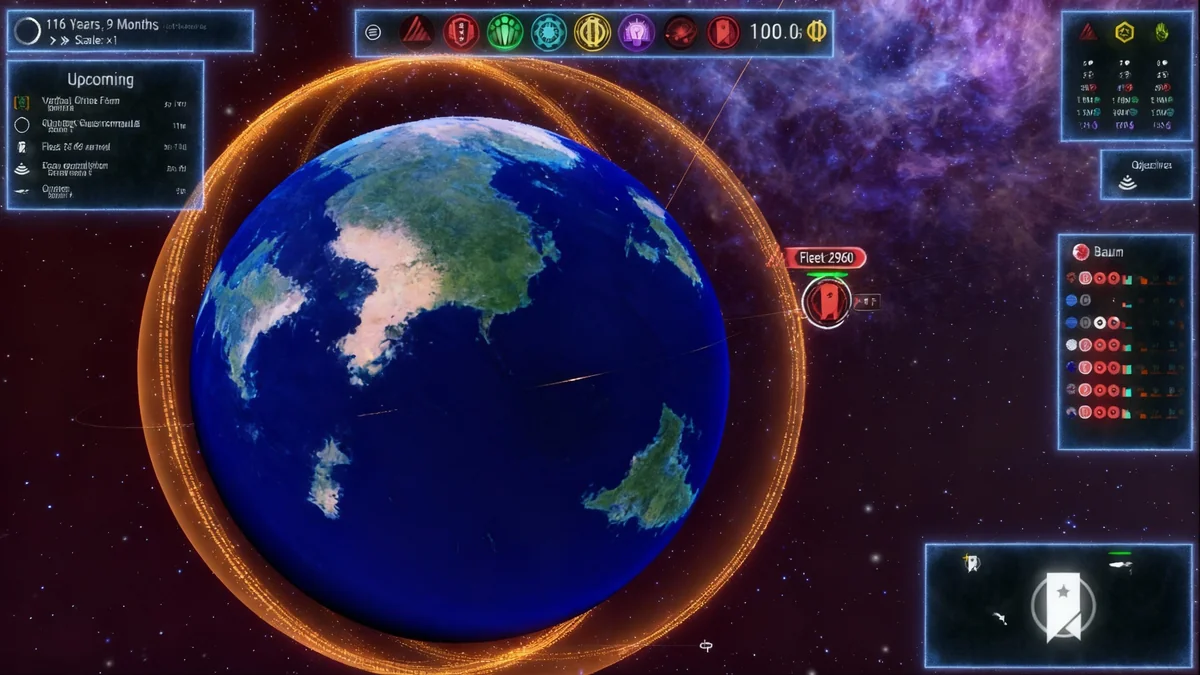
A new space simulation game is in development with a team that includes the creator of the original Kerbal Space Program and a former flight software engineer from SpaceX. The project, titled Kitten Space Agency, aims to be a spiritual successor to the beloved rocket-building game, focusing on a robust technical foundation from the outset.
Developer RocketWerkz, led by DayZ creator Dean Hall, has released a surprise pre-alpha build of the game. The team is taking an unconventional approach to both development and distribution, promising a transparent process and a free, “pay-what-you-want” model upon release.
Key Takeaways
- 'Kitten Space Agency' (KSA) is a new space simulation game from developer RocketWerkz.
- The development team includes Kerbal Space Program creator Felipe Falanghe and former SpaceX engineer Stefan Moluf.
- The game is being built on a new, robust engine to avoid the technical issues that plagued Kerbal Space Program 2.
- RocketWerkz plans to release the game for free with a “pay-what-you-want” support model.
- A pre-alpha technical demo is now available to the public.
A New Venture in Virtual Spaceflight
A new contender is entering the space simulation genre, bringing together veteran talent from both the gaming and aerospace industries. Kitten Space Agency (KSA) is being developed by RocketWerkz, the studio founded by Dean Hall, known for the popular survival game DayZ. The project openly embraces its heritage as a spiritual successor to Kerbal Space Program, a game celebrated for its physics-based approach to rocket science.
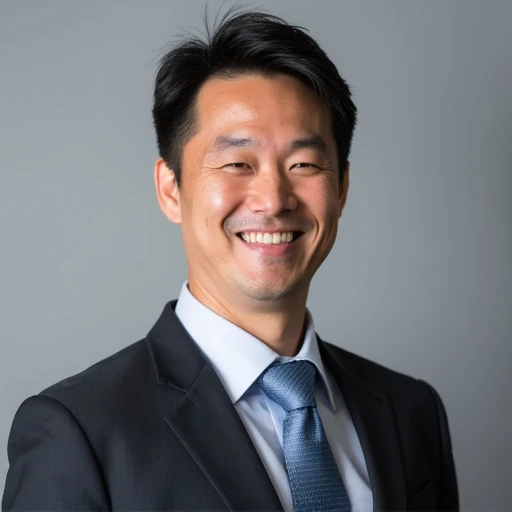
Joining Hall is Felipe Falanghe, the original creator of Kerbal Space Program. Perhaps most notably, the programming team includes Stefan Moluf, who spent nearly 12 years as a Flight Software Engineer at SpaceX, working on the software that controls the company's vehicles.
"It's a space flight simulator, but also like a rocket building, engineering, and exploration game," Moluf explained in a recent interview. "It's designed to capture all the different pieces of it; building a rocket, flying it, landing on other planets, and exploring; experiencing the engineering challenges and the wonder of space flight."
Learning from Past Failures
The shadow of Kerbal Space Program 2 looms over any new entry in the genre. The official sequel has been mired in a troubled early access period for years, suffering from performance issues and a lack of updates after its developer was shut down.
The KSA team is determined to avoid a similar fate by focusing on fundamentals. Moluf noted that the original KSP was built on a foundation that became unstable as more complexity was added. The attempt to replicate that approach for the sequel led to its technical problems.
"We have a lot of lessons that we can apply to making a game that's more solid foundationally," Moluf stated. "I think the most important thing is to make a game that has a technical foundation that can handle that level of complexity from the beginning."
To achieve this, RocketWerkz is using its own in-house engine. A key goal is to create a more seamless experience for players, allowing them to switch between vehicles across the solar system instantly, without disruptive loading screens.
From Aerospace to Game Development
Stefan Moluf's transition from SpaceX to RocketWerkz highlights a surprising overlap between the two fields. He explained that controlling hardware in real-time, as he did at SpaceX, is remarkably similar to the demands of game programming. In fact, he noted that during his time at the aerospace company, some of the best hires came from the games industry.
A Transparent and Community-Focused Approach
RocketWerkz is breaking from industry norms with its development and distribution strategy for KSA. Instead of secretive development cycles, the studio is opting for radical transparency. A pre-alpha build has already been released, not as a playable game, but as a technical proof-of-concept.
"Playing the game as it is currently, it is very technical," Moluf admitted. "It's pretty impenetrable if you don't know anything about space flight." The purpose of this early release is to demonstrate that the core engine is solid before building the game's features on top of it.
The studio also plans to make the final game completely free to download and play. Support for the project will come from a “pay-what-you-want” system, an experiment Moluf says is a response to widespread dissatisfaction with current game distribution models.
Open Development: RocketWerkz posts all of its code commits live to the project's public Discord server, allowing followers to track development progress in real-time.
Modding at the Core
The modding community was a significant factor in the long-term success of the original Kerbal Space Program. The KSA team is building their game with modders in mind from day one. The in-house engine is described as a very low-level system, making the development process itself feel more like modding.
This commitment is reflected in their hiring choices. Two of the lead visual artists working on planetary terrain and atmospheric effects are well-known figures from the KSP modding community, bringing their expertise directly into the core development team.
Why Kittens?
The choice of feline astronauts is more than just a whimsical name. According to Moluf, it was a practical decision aimed at managing animation costs and, more importantly, fostering a different emotional connection with the crew.
"The Kerbal characters tend to be somewhat expendable, you might say," Moluf said. "And Dean [Hall] very much wanted to lean into the idea that you wanted to take care of your astronauts and keep them alive and feel bad if you didn't do that."
The hope is that players will be more invested in the safety and well-being of adorable kittens than they were with the famously resilient Kerbals. While the pre-alpha build is a technical showcase, the team has a clear vision for building a game that is both more authentic and more accessible than its predecessors, with the ultimate goal of inspiring a new generation of space enthusiasts and future engineers.